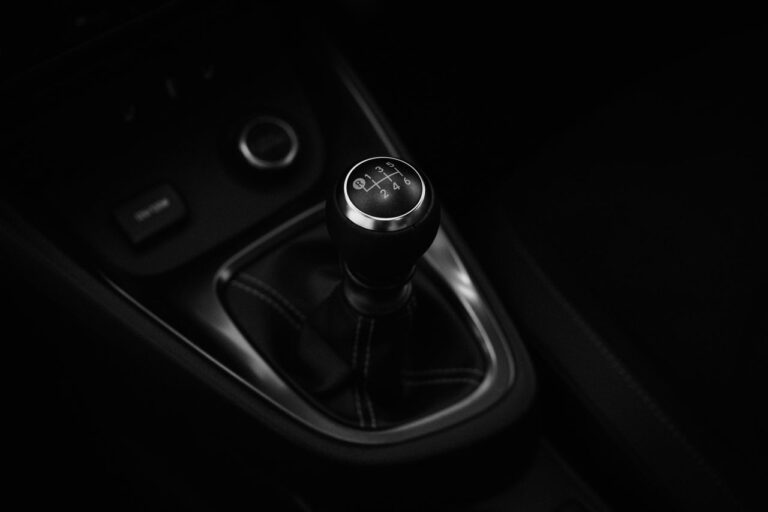
Your vehicle’s transmission is responsible for transferring power from the engine to the wheels, allowing your car to shift gears smoothly and operate efficiently. Whether you drive a vehicle with an automatic or manual transmission, this system is one of the most complex and expensive components to repair. Recognizing the early signs your transmission is failing can help you avoid a complete breakdown and save thousands of dollars in repair costs.
Transmission problems often develop gradually, giving drivers several warning signs before complete failure occurs. Paying attention to these symptoms and seeking professional service early can extend the life of your transmission and improve your vehicle’s overall performance.
Delayed or Rough Gear Shifting
One of the first signs of a failing transmission is difficulty shifting gears. Automatic transmissions may hesitate before changing gears or shift with a noticeable jerk. Manual transmissions may become harder to shift or feel stiff when moving the gear lever.
Delayed shifting usually indicates low transmission fluid, worn internal components, or problems with the transmission control module. Ignoring this symptom can lead to more severe internal damage over time.
Slipping Gears
Transmission slipping occurs when your vehicle unexpectedly changes gears or slips out of gear while driving. You may notice the engine revving higher than normal without a corresponding increase in speed.
Gear slipping reduces driving performance and can create dangerous situations, especially when merging onto highways or climbing hills. Common causes include worn clutch packs, damaged gears, or insufficient transmission fluid pressure.
Unusual Noises
Healthy transmissions operate quietly. If you hear unusual noises while driving or shifting, your transmission may need immediate attention.
Common transmission sounds include:
- Grinding noises
- Whining sounds
- Clunking during gear changes
- Humming while accelerating
Manual transmissions often produce grinding noises when synchronizers wear out, while automatic transmissions may create whining or humming sounds due to fluid circulation problems.
Also Read: Car Won’t Start But Battery is Good
Transmission Fluid Leaks
Transmission fluid plays a critical role in lubricating moving parts, cooling internal components, and maintaining hydraulic pressure.
If you notice red, pink, or dark brown fluid underneath your parked vehicle, your transmission may have a leak. Common leak sources include worn seals, damaged transmission pans, loose drain plugs, or deteriorated cooler lines.
Driving with low transmission fluid can quickly lead to overheating and severe internal damage.
Burning Smell
A burning odor coming from your vehicle should never be ignored. Overheated transmission fluid loses its ability to lubricate and cool internal parts effectively.
Possible causes include:
- Low transmission fluid
- Dirty or contaminated fluid
- Excessive towing
- Internal transmission overheating
Replacing old transmission fluid at the recommended service intervals helps prevent overheating and premature wear.
Check Engine Light
Although the Check Engine Light can indicate many different issues, transmission problems are one possible cause.
Modern vehicles use sensors to monitor transmission performance. If these sensors detect abnormal pressure, slipping, or shifting problems, the vehicle’s computer stores a diagnostic trouble code and activates the warning light.
A professional diagnostic scan can determine whether the issue is transmission-related or caused by another component.
Poor Acceleration
A failing transmission often struggles to transfer engine power efficiently to the wheels. As a result, your vehicle may accelerate slowly even when the engine speed increases.
You might notice:
- Slow acceleration from a stop
- Hesitation during passing
- Reduced highway performance
- Engine revving without gaining speed
These symptoms frequently indicate internal transmission wear or slipping clutches.
Shaking or Vibrations
If your vehicle shakes or vibrates while changing gears, the transmission may be experiencing mechanical problems.
Unlike engine-related vibrations, transmission vibrations usually occur during acceleration or gear changes.
Potential causes include worn torque converters, damaged gears, failing mounts, or contaminated transmission fluid.
Ignoring vibrations can allow minor problems to develop into complete transmission failure.
Difficulty Staying in Gear
A healthy transmission remains securely in the selected gear until a shift is required.
If your vehicle unexpectedly shifts into neutral or struggles to remain in gear, internal transmission components may be worn or damaged.
This issue can significantly reduce vehicle control and should be repaired as soon as possible.
Unresponsive Transmission
An unresponsive transmission is one of the most serious warning signs.
When shifting into Drive or Reverse, the vehicle may hesitate for several seconds or fail to move entirely.
Possible causes include:
- Low hydraulic pressure
- Failed transmission pump
- Damaged valve body
- Severe internal wear
Immediate professional inspection is recommended to prevent further damage.
What Causes Transmission Failure?
Several factors contribute to transmission problems over time.
Common causes include:
- Low or dirty transmission fluid
- Overheating
- Skipping maintenance
- Aggressive driving habits
- Frequent towing beyond capacity
- Internal component wear
- Manufacturing defects
Routine maintenance significantly reduces the likelihood of major transmission repairs.
How to Prevent Transmission Problems
Preventive maintenance is the best way to maximize transmission life.
Helpful maintenance tips include:
- Check transmission fluid regularly.
- Replace transmission fluid according to your owner’s manual.
- Repair leaks immediately.
- Avoid sudden acceleration and harsh driving.
- Use the correct transmission fluid specified by the manufacturer.
- Do not overload your vehicle beyond its towing capacity.
Regular inspections allow technicians to identify small problems before they become expensive repairs.
Conclusion
Recognizing the early signs your transmission is failing can save you from costly repairs and unexpected breakdowns. Symptoms such as delayed shifting, slipping gears, unusual noises, transmission fluid leaks, burning smells, poor acceleration, vibrations, and an illuminated Check Engine Light should never be ignored. Prompt diagnosis and routine maintenance help protect one of your vehicle’s most valuable components. By addressing transmission issues early, you can extend your vehicle’s lifespan, improve driving performance, and avoid the high cost of a complete transmission replacement.
