
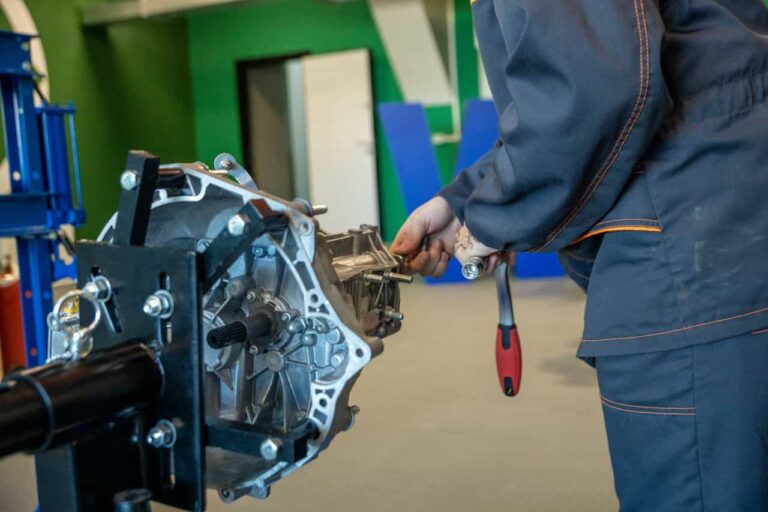
A failing transmission is one of the most expensive repairs a vehicle owner can face. Whether you drive a compact sedan, SUV, pickup truck, or luxury vehicle, replacing a transmission can cost anywhere from a few thousand dollars to well over $10,000, depending on the vehicle and transmission type.
If your transmission has completely failed, understanding the transmission replacement cost in 2026 can help you budget for repairs and decide whether repairing or replacing the vehicle is the better financial choice.
In this guide, we’ll break down average transmission replacement costs, factors that affect pricing, warning signs of transmission failure, and tips to reduce repair expenses.
Average Transmission Replacement Cost in 2026
Transmission replacement costs vary depending on the make, model, labor rates, and whether you choose a new, rebuilt, or used transmission.
Here are the average price ranges in 2026:
| Transmission Type | Average Replacement Cost |
| Automatic Transmission | $3,500–$8,500 |
| Manual Transmission | $2,000–$5,000 |
| CVT (Continuously Variable Transmission) | $4,000–$8,000 |
| Dual-Clutch Transmission (DCT) | $5,000–$10,000 |
| Heavy-Duty Truck Transmission | $6,000–$15,000+ |
Luxury brands such as BMW, Mercedes-Benz, Audi, Porsche, and Land Rover often have significantly higher replacement costs due to specialized parts and labor.
What Affects Transmission Replacement Cost?
Several factors determine the final repair bill.
Vehicle Make and Model
Economy cars usually have less expensive transmissions than luxury or performance vehicles. Replacement parts for premium brands are often more costly and may require specialized technicians.
Transmission Type
Manual transmissions generally cost less to replace because they are mechanically simpler.
Automatic, CVT, and dual-clutch transmissions contain more complex components and electronic controls, increasing both parts and labor costs.
New, Rebuilt, or Used Transmission
You typically have three replacement options.
New Transmission
- Highest reliability
- Manufacturer warranty
- Most expensive option
Average cost:
- $4,500–$10,000+
Rebuilt Transmission
A rebuilt transmission replaces worn internal components while reusing the transmission housing.
Advantages include:
- Lower cost
- Good reliability
- Often backed by a warranty
Average cost:
- $2,800–$6,500
Used Transmission
A salvage transmission from another vehicle costs the least.
Advantages:
- Lowest upfront price
Disadvantages:
- Unknown history
- Limited warranty
- Potential for hidden wear
Average cost:
- $1,500–$4,000
Labor Costs
Transmission replacement is labor-intensive.
Most vehicles require between 8 and 15 labor hours.
Average labor rates in 2026 range from:
- $100–$220 per hour
Luxury dealerships and specialty repair shops generally charge higher hourly rates.
Also Read: Steering Wheel Vibration Ultimate Guide
Additional Parts You May Need
During transmission replacement, mechanics often recommend replacing other components to avoid future labor costs.
Common additional parts include:
- Transmission fluid
- Transmission filter
- Torque converter
- Transmission cooler lines
- Mounts
- Seals and gaskets
- Flywheel or flexplate (if worn)
- Clutch kit (manual transmission)
These items can add several hundred to several thousand dollars to the total repair bill, depending on the vehicle.
Signs You May Need a Transmission Replacement
Not every transmission problem requires a complete replacement, but severe damage often does.
Common warning signs include:
Transmission Slipping
The engine revs increase without a corresponding increase in vehicle speed.
Delayed Gear Engagement
The vehicle hesitates before shifting into Drive or Reverse.
Hard or Jerky Shifting
Shifts become rough, delayed, or inconsistent.
Grinding or Whining Noises
Internal gears or bearings may be worn or damaged.
Burning Smell
Overheated transmission fluid often produces a burnt odor.
Fluid Leaks
Red or dark brown transmission fluid under the vehicle should never be ignored.
Check Engine or Transmission Warning Light
Modern vehicles monitor transmission performance electronically and may display warning lights when faults are detected.
Repair vs. Replacement
Sometimes a complete replacement isn’t necessary.
Minor repairs may include:
- Solenoid replacement
- Valve body repair
- Fluid flush
- Sensor replacement
- Seal replacement
These repairs often cost between $200 and $1,500, depending on the issue.
However, if internal gears, clutch packs, bearings, or the transmission case are severely damaged, replacement is usually the most cost-effective long-term solution.
Is It Worth Replacing a Transmission?
The answer depends on your vehicle’s value and overall condition.
Replacing the transmission may be worthwhile if:
- The vehicle has low mileage.
- The engine is in excellent condition.
- The body has minimal rust or accident damage.
- You plan to keep the vehicle for several more years.
You may want to consider replacing the vehicle if:
- Repair costs exceed the vehicle’s value.
- Multiple major systems also need repair.
- The vehicle has extremely high mileage.
- Significant rust or structural damage is present.
Comparing the repair estimate with your car’s current market value can help you make an informed decision.
How to Save Money on Transmission Replacement
Transmission repairs are expensive, but there are ways to reduce costs.
Consider these tips:
- Obtain estimates from multiple repair shops.
- Ask about rebuilt transmission options.
- Compare independent repair shops with dealership pricing.
- Review warranty coverage before approving repairs.
- Check whether your extended warranty covers transmission failure.
- Consider high-quality remanufactured transmissions for a balance of cost and reliability.
- Replace worn transmission mounts and seals during installation to avoid paying labor twice.
Avoid choosing solely based on the lowest price. The quality of the replacement unit and the installer’s experience are just as important as the initial cost.
How to Extend Transmission Life
Routine maintenance can help prevent premature transmission failure.
Follow these best practices:
- Change transmission fluid according to the manufacturer’s maintenance schedule.
- Use only the recommended transmission fluid type.
- Avoid aggressive acceleration and sudden gear changes.
- Don’t overload your vehicle beyond its towing or payload limits.
- Repair transmission fluid leaks promptly.
- Allow the transmission to warm up in very cold weather before driving aggressively.
- Address unusual noises or shifting problems early before they become major repairs.
Proper maintenance can significantly extend the life of both automatic and manual transmissions.
Conclusion
The transmission replacement cost in 2026 typically ranges from $2,000 to over $10,000, depending on your vehicle, transmission type, labor rates, and whether you choose a new, rebuilt, or used unit. While the cost can be substantial, replacing a transmission may still be more economical than purchasing another vehicle, especially if the rest of the car is in good condition.
Recognizing early warning signs such as slipping gears, delayed shifting, fluid leaks, or unusual noises can help you address problems before they lead to complete transmission failure. Regular maintenance, timely fluid changes, and prompt repairs are the best ways to maximize transmission lifespan and avoid unexpected repair bills.
