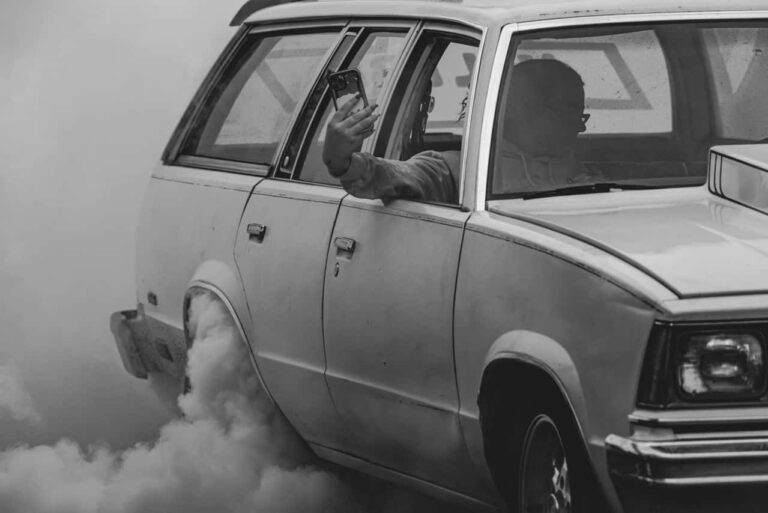
Seeing black smoke from your exhaust can be alarming. Unlike white or blue smoke, black exhaust smoke usually indicates that your engine is burning more fuel than it should. This condition not only reduces fuel efficiency but can also damage your engine and increase harmful emissions.
Whether you drive a gasoline or diesel vehicle, understanding the causes of black smoke can help you identify the issue early and avoid costly repairs. In this guide, we’ll explain why black smoke comes from your exhaust, common symptoms, diagnosis methods, repair solutions, and preventive maintenance tips.
What Does Black Smoke from Exhaust Mean?
Black smoke from the exhaust indicates that the engine is running with a rich air-fuel mixture, meaning there is too much fuel and not enough air during combustion. When fuel doesn’t burn completely, excess carbon particles exit through the exhaust, creating thick black smoke.
While a small puff during hard acceleration may be normal in some diesel engines, continuous black smoke is a warning sign that should not be ignored.
Common Causes of Black Smoke from Exhaust
1. Dirty or Clogged Air Filter
The air filter supplies clean air to the engine. When it becomes clogged with dirt and debris, airflow is restricted, causing the engine to inject more fuel than necessary.
Symptoms include:
- Black smoke while accelerating
- Poor fuel economy
- Reduced engine performance
- Rough idle
Replacing the air filter is one of the easiest and least expensive repairs.
2. Faulty Fuel Injectors
Fuel injectors deliver precise amounts of fuel into the combustion chamber. If an injector leaks or sticks open, too much fuel enters the engine, producing black exhaust smoke.
Other symptoms include:
- Engine hesitation
- Poor acceleration
- Fuel smell
- Increased fuel consumption
Cleaning or replacing faulty injectors often solves the problem.
Also Read: Transmission Slipping Symptoms
3. Malfunctioning Mass Air Flow (MAF) Sensor
The MAF sensor measures the amount of air entering the engine. If it sends incorrect readings, the engine control module may inject excessive fuel.
Signs include:
- Check engine light
- Black smoke
- Poor acceleration
- Engine stalling
Cleaning the MAF sensor may restore proper operation, but replacement may be necessary if it’s damaged.
4. Faulty Oxygen Sensor
Oxygen sensors monitor exhaust gases and help maintain the correct air-fuel ratio. A failing sensor may cause the engine to run rich.
Common symptoms include:
- Reduced fuel efficiency
- Rough idle
- Check engine light
- Black exhaust smoke
Replacing worn oxygen sensors improves engine performance and emissions.
5. Bad Fuel Pressure Regulator
The fuel pressure regulator controls fuel pressure inside the fuel rail. If it fails, excessive fuel may reach the engine.
Symptoms include:
- Hard starting
- Black smoke
- Poor fuel economy
- Engine misfires
A mechanic can test fuel pressure to determine whether replacement is needed.
6. Dirty Air Intake System
Blocked intake ducts or carbon buildup inside the intake manifold can reduce airflow, causing incomplete combustion.
Cleaning the intake system improves airflow and engine efficiency.
7. Turbocharger Problems (Diesel Vehicles)
Turbochargers force additional air into diesel engines. If the turbo fails or boost pressure drops, the engine receives less air while fuel delivery remains the same.
Symptoms include:
- Heavy black smoke
- Loss of power
- Whining noises
- Poor acceleration
Turbocharger inspection is recommended if these symptoms appear.
8. Clogged Diesel Particulate Filter (DPF)
Modern diesel vehicles use a Diesel Particulate Filter to capture soot. A clogged DPF may increase back pressure and contribute to black smoke.
Additional symptoms include:
- Warning lights
- Reduced engine power
- Poor fuel economy
Professional cleaning or DPF regeneration may restore proper function.
Symptoms That Often Accompany Black Smoke
Besides visible smoke, you may notice:
- Poor fuel economy
- Reduced engine power
- Slow acceleration
- Rough idle
- Strong fuel odor
- Engine misfires
- Check engine light
- Increased emissions
These symptoms usually indicate an engine running too rich.
How Mechanics Diagnose Black Smoke
Professional diagnosis typically includes:
- Reading diagnostic trouble codes (OBD-II scan)
- Inspecting the air filter
- Testing fuel injectors
- Checking fuel pressure
- Inspecting oxygen sensors
- Testing the MAF sensor
- Examining the turbocharger (diesel engines)
- Inspecting intake hoses for leaks or restrictions
Proper diagnosis prevents unnecessary replacement of expensive components.
How to Fix Black Smoke from Exhaust
Repair depends on the underlying cause and may include:
- Replacing a dirty air filter
- Cleaning or replacing fuel injectors
- Replacing faulty oxygen sensors
- Cleaning the MAF sensor
- Repairing the turbocharger
- Replacing the fuel pressure regulator
- Cleaning the intake system
- Servicing the diesel particulate filter
Always repair the root cause rather than simply clearing diagnostic codes.
Can You Continue Driving?
Driving short distances may be possible if the vehicle still operates normally, but it is not recommended to ignore black smoke.
Prolonged driving with a rich fuel mixture can cause:
- Catalytic converter damage
- Spark plug fouling
- Carbon buildup inside the engine
- Reduced fuel economy
- Higher repair costs
- Failed emissions inspections
If the smoke is heavy or accompanied by severe power loss, have the vehicle inspected immediately.
How to Prevent Black Smoke
Preventive maintenance significantly reduces the risk of exhaust smoke.
Follow these maintenance tips:
- Replace the air filter according to the maintenance schedule.
- Use high-quality fuel from reputable stations.
- Clean fuel injectors periodically.
- Replace oxygen sensors when recommended.
- Inspect intake hoses for leaks.
- Service diesel particulate filters when required.
- Fix check engine light issues promptly.
- Follow manufacturer maintenance intervals.
Regular servicing helps maintain proper combustion and reduces emissions.
Conclusion
Black smoke from the exhaust is usually a sign that your engine is burning too much fuel due to an imbalance in the air-fuel mixture. Common causes include a clogged air filter, faulty fuel injectors, a failing MAF sensor, oxygen sensor issues, turbocharger problems, or excessive fuel pressure. Ignoring black smoke can lead to poor fuel economy, engine damage, and expensive repairs.
By diagnosing the problem early and performing regular maintenance, you can restore engine performance, improve fuel efficiency, and keep your vehicle running reliably. If black smoke continues after basic maintenance, consult a qualified mechanic for a complete inspection and professional repair.
