
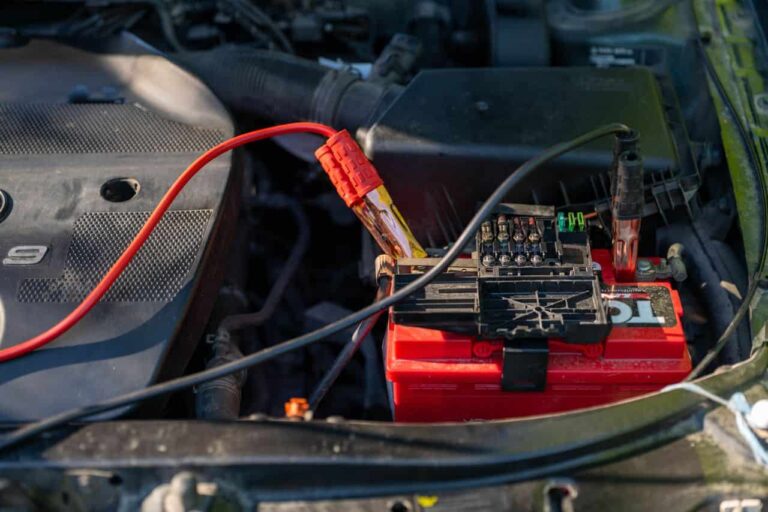
A car that won’t start can be frustrating, especially when you’ve already confirmed that the battery is in good condition. While a dead battery is one of the most common reasons a vehicle fails to start, many other components can prevent the engine from turning over or running properly.
If your car won’t start but the battery is good, the problem could involve the starter motor, ignition system, fuel delivery, engine sensors, or even the vehicle’s security system. Identifying the symptoms can help you narrow down the cause and avoid unnecessary repairs.
In this guide, we’ll cover the most common reasons your car won’t start despite having a healthy battery, explain how to diagnose the issue, and discuss the best repair options.
Signs Your Battery Is Not the Problem
Before looking elsewhere, verify that the battery is actually in good condition. A healthy battery typically shows these signs:
- Headlights are bright.
- Dashboard lights illuminate normally.
- Battery voltage measures around 12.6 volts with the engine off.
- Battery terminals are clean and tight.
- The battery recently passed a load test.
If these conditions are met and the car still won’t start, another component is likely at fault.
Common Reasons a Car Won’t Start with a Good Battery
1. Faulty Starter Motor
The starter motor turns the engine over when you turn the ignition key or press the start button. If it fails, the engine won’t crank even though the battery has enough power.
Common symptoms include:
- Single clicking sound
- No engine cranking
- Grinding noise
- Intermittent starting problems
Starter motors wear out over time due to repeated use and may require replacement.
2. Bad Starter Solenoid
The starter solenoid sends electrical current from the battery to the starter motor. A faulty solenoid can prevent the starter from engaging.
Symptoms include:
- Clicking noise
- No engine crank
- Starter works occasionally
- Burning smell near the starter
Sometimes replacing only the solenoid solves the issue, while other vehicles require replacing the entire starter assembly.
Also Read: Knowking Sound from Engine
3. Ignition Switch Failure
The ignition switch supplies power to various electrical systems when you turn the key.
If it fails, the starter and fuel system may never receive power.
Signs include:
- Dashboard lights behave abnormally
- No response when turning the key
- Accessories fail unexpectedly
- Engine stalls while driving
A technician can test the ignition switch with electrical diagnostic equipment.
4. Fuel Pump Failure
The engine needs fuel as well as electricity. If the fuel pump stops working, the engine may crank normally but never start.
Symptoms include:
- Engine cranks but won’t start
- No humming sound from the fuel tank
- Loss of power before failure
- Fuel pressure below specifications
Fuel pump replacement restores normal fuel delivery.
5. Clogged Fuel Filter
A severely clogged fuel filter can restrict fuel flow enough to prevent starting.
Other symptoms include:
- Hard starting
- Poor acceleration
- Engine hesitation
- Reduced fuel economy
Replacing the fuel filter is often part of routine maintenance.
6. Faulty Spark Plugs or Ignition Coils
Gasoline engines require a strong spark to ignite the air-fuel mixture.
Worn spark plugs or failed ignition coils can prevent combustion.
Symptoms include:
- Engine cranks without starting
- Misfires
- Rough idle
- Poor acceleration
Replacing worn ignition components usually restores reliable starting.
7. Crankshaft Position Sensor Failure
The crankshaft position sensor tells the engine control module where the crankshaft is rotating.
Without this signal, the engine computer cannot properly control spark or fuel injection.
Common symptoms include:
- Engine cranks but won’t start
- Check engine light
- Random stalling
- Poor engine performance
Diagnostic trouble codes often identify this problem.
8. Faulty Camshaft Position Sensor
The camshaft sensor works together with the crankshaft sensor to manage ignition timing and fuel injection.
A failing sensor may cause:
- Difficult starting
- Engine misfires
- Poor fuel economy
- Check engine light
Replacing the faulty sensor typically resolves the issue.
9. Blown Fuse or Faulty Relay
Modern vehicles rely on numerous fuses and relays to operate the fuel pump, ignition system, starter, and engine control module.
A blown fuse can interrupt power to critical systems.
Inspect:
- Starter relay
- Fuel pump relay
- Ignition fuse
- Engine control module fuse
Replacing an inexpensive fuse or relay may restore normal operation.
10. Anti-Theft System Problems
Many modern vehicles include an immobilizer that prevents unauthorized starting.
If the system doesn’t recognize the key or key fob, it may disable the starter or fuel injection.
Signs include:
- Security warning light flashing
- Engine starts then immediately shuts off
- No crank condition
- Key not recognized
Using a spare key or reprogramming the security system may solve the problem.
11. Loose or Corroded Battery Connections
Even if the battery is fully charged, poor electrical connections can prevent sufficient current from reaching the starter.
Inspect for:
- White or green corrosion
- Loose battery terminals
- Damaged cables
- Broken ground connections
Cleaning and tightening the connections often fixes the issue.
How to Diagnose the Problem
If your car won’t start but the battery is good, follow these diagnostic steps:
- Verify battery voltage with a multimeter.
- Listen for clicking sounds when starting.
- Check whether the engine cranks.
- Inspect battery terminals and ground cables.
- Listen for the fuel pump when turning the key.
- Scan for diagnostic trouble codes using an OBD-II scanner.
- Inspect engine fuses and relays.
- Test the starter motor and starter solenoid.
- Check for spark and fuel pressure.
- Inspect the anti-theft system indicator.
Systematic diagnosis saves time and prevents replacing good parts unnecessarily.
Can You Fix It Yourself?
Some starting problems are simple enough for DIY repair, including:
- Cleaning battery terminals
- Replacing blown fuses
- Installing a new air filter
- Replacing spark plugs
- Changing the fuel filter on serviceable vehicles
However, replacing the starter motor, fuel pump, ignition switch, or engine sensors often requires specialized tools and diagnostic equipment.
How to Prevent Future Starting Problems
Preventive maintenance can greatly reduce unexpected no-start situations.
Follow these tips:
- Replace spark plugs at recommended intervals.
- Keep battery terminals clean.
- Replace fuel filters as scheduled.
- Address check engine lights promptly.
- Avoid running the fuel tank nearly empty regularly.
- Inspect starter wiring during routine maintenance.
- Test the charging system annually.
- Use high-quality fuel to reduce deposits in the fuel system.
Routine inspections help identify worn components before they fail completely.
Conclusion
If your car won’t start but the battery is good, the issue is likely related to the starter motor, starter solenoid, ignition switch, fuel pump, spark plugs, engine sensors, or the vehicle’s security system. Careful diagnosis is essential because many different components can produce similar symptoms.
By checking the electrical system, fuel delivery, ignition components, and engine sensors in a logical order, you can identify the root cause and restore reliable starting. Regular maintenance and prompt repairs also reduce the chances of experiencing unexpected starting problems in the future, keeping your vehicle dependable and safe to drive.
