
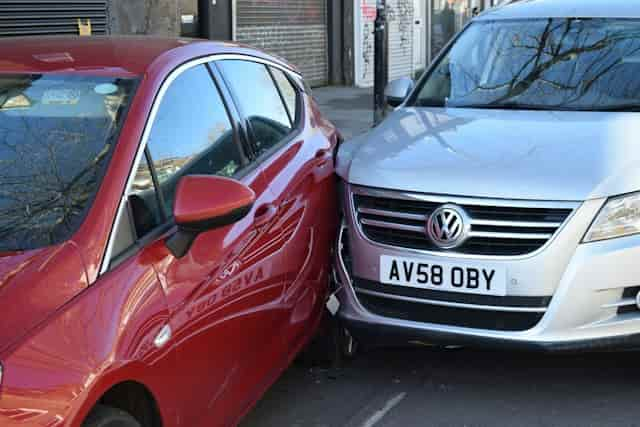
Few things feel worse after a crash than hearing your car is totaled, unless it’s seeing the insurance offer that follows. Many drivers find the payout falls short of what it would cost to buy a similar vehicle. The good news is that the first offer is rarely the final word. Knowing how to dispute a total loss settlement can add hundreds or even thousands of dollars to your check. This guide explains how insurers calculate value, where they commonly get it wrong, and the exact steps to push back.
How Insurers Decide a Car Is Totaled
An insurer declares a total loss when repairing the vehicle would cost more than it makes sense to spend. Some states set a fixed threshold, such as repair costs reaching a certain percentage of the car’s value. Others use a total loss formula that compares repair costs plus salvage value against the car’s actual cash value (ACV).
ACV is what your car was worth on the open market immediately before the accident, not what you paid for it or what you still owe.
How Actual Cash Value Is Calculated
Most insurers hire third-party valuation companies to produce a report. These reports pull comparable vehicles, often called “comps,” that recently sold or were listed nearby, then adjust the price for mileage, options, and condition.
The problem is that these reports can contain errors, such as:
- The wrong trim level or engine
- Missing factory options like a sunroof, premium audio, or a tow package
- Comparable cars from distant markets with lower prices
- Condition ratings that are harsher than the car deserved
- Ignoring recent upgrades like new tires, brakes, or a battery
Every one of these mistakes lowers your payout, which is why reviewing the report is the heart of any dispute.
How to Dispute a Total Loss Settlement: Step by Step
1. Don’t Accept or Sign Right Away
You’re not required to accept the first offer. Avoid signing a release or handing over your title until you’ve reviewed the numbers.
2. Request the Full Valuation Report
Ask the adjuster for the complete report in writing, including the list of comparable vehicles and every adjustment applied.
3. Check Every Detail
Compare the report with your registration, window sticker, and service records. Confirm the VIN, trim, mileage, and options. Note each error.
4. Find Your Own Comparable Vehicles
Search dealer listings and online marketplaces for cars with the same year, make, model, trim, and similar mileage within your local area. Save screenshots with prices and dates. Three to five strong comps are usually enough to make your case.
5. Gather Proof of Condition and Upgrades
Collect receipts for recent maintenance, new tires, or aftermarket equipment. Pre-accident photos showing the car’s clean interior and paint are especially helpful.
6. Send a Written Counteroffer
Write a short, factual letter to the adjuster. List each error in their report, attach your comps and receipts, and state the amount you believe is fair. Keep the tone professional and keep copies of everything.
7. Confirm Taxes and Fees Are Included
Many states require insurers to include sales tax, title, and registration fees in a total loss payment. Ask the adjuster to show these items on the settlement breakdown.
8. Invoke the Appraisal Clause
If negotiation stalls, check your policy for an appraisal clause. You and the insurer each hire an independent appraiser, and if they disagree, a neutral umpire decides. You’ll pay for your appraiser, so this makes the most sense when the gap is a few thousand dollars or more.
9. File a Complaint With Your State Regulator
If you believe the insurer is acting unfairly or delaying without reason, contact your state insurance department. The National Association of Insurance Commissioners keeps a directory of state insurance departments where you can find contact details and file a complaint.
Should You Keep the Car?
In many states you can retain the salvage. The insurer pays the ACV minus the car’s salvage value, and you keep the vehicle. This can make sense if the damage is mostly cosmetic and you can repair it affordably. Keep in mind the car will likely receive a salvage title, which lowers resale value and can complicate future insurance.
What If You Owe More Than the Car Is Worth?
If your loan balance is higher than the settlement, you’re responsible for the difference unless you carry GAP coverage. Our breakdown of whether GAP insurance is worth it explains how it covers this shortfall and when it’s worth buying.
Mistakes to Avoid
- Relying on online value estimates alone. Insurers give more weight to actual local listings than to generic price guides.
- Missing deadlines. Your policy may set time limits for disputes and appraisal requests.
- Letting emotions lead. Sentimental value doesn’t count. Facts, comps, and receipts do.
- Removing parts before inspection. Leave the car as it is until the claim is settled.
When to Get Professional Help
For high-value vehicles, classic cars, or claims involving serious injuries, a public adjuster or attorney may be worth the cost. Many offer free consultations and can tell you whether your dispute is strong enough to pursue.
Frequently Asked Questions
How long does a total loss dispute take?
Simple negotiations can wrap up in a week or two. The appraisal process may take several weeks.
Can the insurer lower its offer if I dispute it?
It’s uncommon, but stick to documented facts so the conversation stays focused on accuracy.
Do I still have to make loan payments during the dispute?
Yes. Keep paying your lender until the claim is resolved to protect your credit.
Final Thoughts
Learning how to dispute a total loss settlement puts you back in control of a stressful situation. Request the valuation report, check every detail, build your own evidence, and negotiate in writing. If that fails, the appraisal clause and your state regulator are there to help you get a fair payout.
