
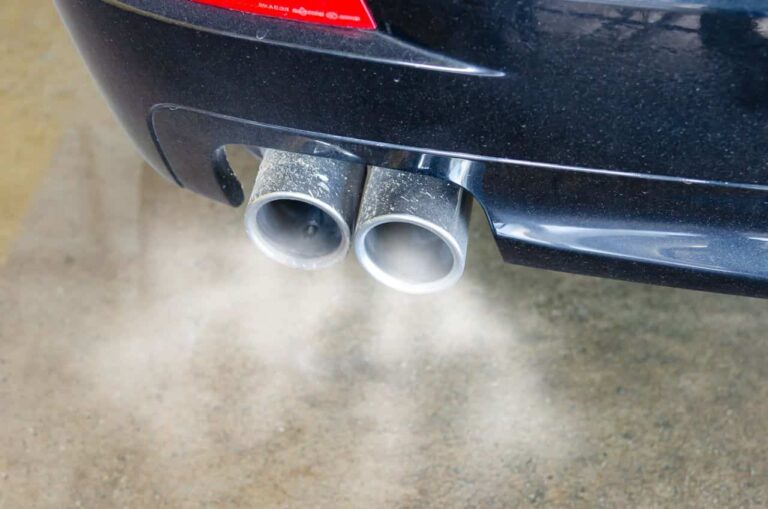
A catalytic converter is one of the most important components of your vehicle’s exhaust system. It reduces harmful emissions by converting toxic gases into less harmful substances before they leave the tailpipe. Over time, however, catalytic converters can become clogged, damaged, or stolen, requiring replacement. If you’re wondering about the catalytic converter replacement cost in 2026, this guide explains everything you need to know.
Whether you drive a compact sedan, SUV, pickup truck, or luxury vehicle, replacement costs can vary significantly depending on your vehicle model, labor rates, and the type of catalytic converter required.
Average Catalytic Converter Replacement Cost
In 2026, the average catalytic converter replacement cost ranges between $900 and $2,800.
Here’s a general breakdown:
- Aftermarket catalytic converter: $300–$1,200
- OEM catalytic converter: $900–$2,500
- Labor cost: $100–$400
- Total replacement cost: $900–$2,800
Luxury vehicles and trucks often require more expensive OEM converters because they contain higher amounts of precious metals such as platinum, palladium, and rhodium.
Factors That Affect Catalytic Converter Replacement Cost
Several factors determine how much you’ll pay for a replacement.
Vehicle Make and Model
Economy cars usually have lower replacement costs than luxury brands like BMW, Mercedes-Benz, Lexus, or Audi. Trucks and SUVs also tend to have larger and more expensive catalytic converters.
OEM vs. Aftermarket Parts
OEM (Original Equipment Manufacturer) catalytic converters are designed specifically for your vehicle and generally cost more. Aftermarket converters are less expensive but may not always meet emissions requirements in certain states.
Number of Catalytic Converters
Some vehicles have one catalytic converter, while others have two or even four. Replacing multiple converters increases the total repair bill considerably.
Labor Rates
Labor costs vary by location and repair shop. Urban areas typically have higher labor rates than rural communities.
State Emissions Regulations
States like California have stricter emissions standards that require CARB-approved catalytic converters, which are usually more expensive than federal EPA-compliant models.
Also Read: Transmission Replacement Cost
Signs Your Catalytic Converter Needs Replacement
Recognizing the symptoms early can help prevent additional engine damage.
Common warning signs include:
- Check Engine Light turns on
- Poor engine performance
- Reduced acceleration
- Decreased fuel economy
- Rotten egg smell from the exhaust
- Rattling noise underneath the vehicle
- Failed emissions inspection
If you notice these symptoms, have your vehicle diagnosed by a qualified mechanic before replacing the converter.
Can a Catalytic Converter Be Repaired?
In most situations, a damaged catalytic converter cannot be repaired and must be replaced.
If the converter is only partially clogged due to carbon buildup, professional cleaning may temporarily improve performance. However, melted internal components or physical damage require complete replacement.
Why Catalytic Converters Are Expensive
Catalytic converters contain valuable precious metals that help reduce harmful emissions.
These include:
- Platinum
- Palladium
- Rhodium
Fluctuating global prices for these metals directly affect replacement costs. Supply chain issues and increasing emissions regulations have also contributed to higher prices in recent years.
Is It Safe to Drive with a Bad Catalytic Converter?
Driving with a failing catalytic converter is not recommended.
A clogged converter restricts exhaust flow, causing:
- Engine overheating
- Poor acceleration
- Increased fuel consumption
- Engine misfires
- Potential engine damage
Ignoring the problem may result in more expensive repairs later.
How Long Does a Catalytic Converter Last?
Most catalytic converters last between 10 and 15 years or approximately 100,000 to 150,000 miles.
Their lifespan depends on factors such as:
- Regular maintenance
- Engine condition
- Fuel quality
- Driving habits
- Oil consumption problems
Keeping your engine properly tuned helps maximize catalytic converter life.
Can Insurance Cover Catalytic Converter Replacement?
Insurance may cover replacement if your catalytic converter was stolen.
Comprehensive auto insurance generally covers theft-related claims after you pay your deductible. However, normal wear and tear or mechanical failure is usually not covered under standard insurance policies.
Always review your policy or contact your insurance provider for specific coverage details.
Tips to Save Money on Catalytic Converter Replacement
Replacing a catalytic converter doesn’t always have to break your budget.
Consider these money-saving tips:
- Compare estimates from multiple repair shops.
- Choose high-quality aftermarket converters if legal in your state.
- Replace underlying engine problems before installing a new converter.
- Ask about warranties on parts and labor.
- Verify whether your emissions warranty still applies.
Avoid installing extremely cheap catalytic converters, as they may fail prematurely or not meet emissions requirements.
Frequently Asked Questions
Can I replace a catalytic converter myself?
While experienced DIY mechanics can replace some catalytic converters, welding, specialized tools, and emissions regulations make professional installation the safest option.
What causes catalytic converter failure?
Common causes include engine misfires, oil burning, coolant leaks, contaminated fuel, impact damage, and excessive carbon buildup.
How long does replacement take?
Most catalytic converter replacements take between one and three hours, depending on vehicle design and accessibility.
Will replacing the catalytic converter improve fuel economy?
Yes. If the old converter was clogged, replacing it often restores engine performance, improves acceleration, and increases fuel efficiency.
Conclusion
The catalytic converter replacement cost in 2026 generally ranges from $900 to $2,800, depending on your vehicle, the type of converter, labor charges, and local emissions regulations. Although replacing a catalytic converter can be expensive, delaying repairs can lead to reduced performance, lower fuel economy, and more serious engine problems. If you notice warning signs such as poor acceleration, a check engine light, or unusual exhaust odors, have your vehicle inspected promptly. Choosing the right replacement part and addressing the underlying cause of failure will help ensure long-lasting performance and compliance with emissions standards.
