
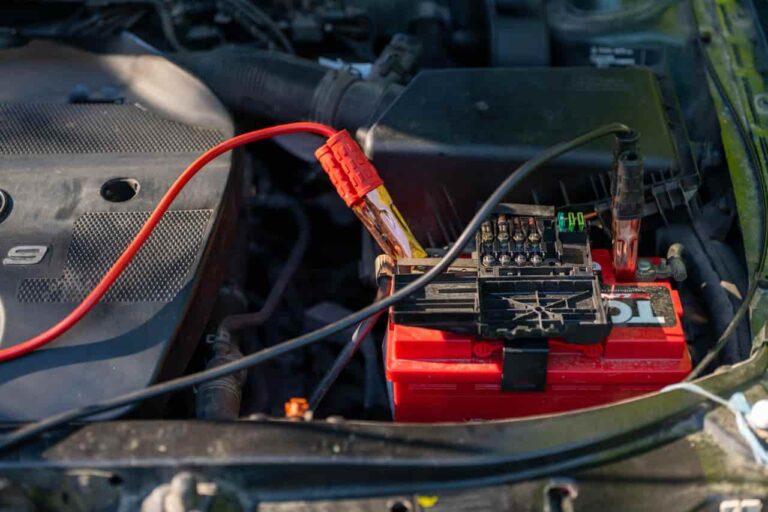
Your Honda Civic’s battery is the heart of its electrical system. It provides the power needed to start the engine and supports essential components such as lights, the infotainment system, power windows, and electronic safety features. Like any automotive part, a battery has a limited lifespan and will eventually need replacement. Knowing when to replace your Honda Civic battery can help prevent unexpected breakdowns and ensure your vehicle remains dependable.
This guide covers everything you need to know about Honda Civic battery replacement, including common signs of battery failure, expected battery life, replacement costs, the installation process, and maintenance tips to maximize battery performance.
Why the Battery Is Important
The battery stores electrical energy and supplies power to the starter motor when you turn the ignition. Once the engine starts, the alternator recharges the battery while providing electricity to the vehicle’s electrical systems.
A healthy battery helps:
- Ensure reliable engine starts
- Power onboard electronics
- Support safety systems
- Maintain proper charging performance
- Improve overall vehicle reliability
Without a properly functioning battery, even a well-maintained Honda Civic may fail to start.
How Long Does a Honda Civic Battery Last?
Most Honda Civic batteries last between three and five years, depending on several factors. Climate, driving habits, and maintenance all influence battery lifespan.
Factors that affect battery life include:
- Extreme hot or cold weather
- Frequent short trips
- Long periods without driving
- Heavy use of electrical accessories
- Poor charging system performance
- Battery quality
Routine battery inspections can help identify signs of wear before complete failure occurs.
Also Read: Honda Civic Transmission Repair – Guide
Signs Your Honda Civic Needs a New Battery
Your vehicle often provides warning signs before the battery fails completely.
Slow Engine Cranking
If the engine cranks more slowly than usual when starting, the battery may no longer have sufficient power.
Dashboard Battery Warning Light
A battery warning light on the dashboard may indicate a charging system issue involving the battery, alternator, or electrical connections.
Dim Headlights
Weak or flickering headlights can signal a battery that is losing its ability to supply consistent power.
Electrical Problems
Power windows, interior lights, infotainment systems, or other electrical accessories may operate inconsistently if the battery is failing.
Corroded Battery Terminals
White or bluish corrosion around the battery terminals can interfere with electrical connections and reduce battery performance.
Frequent Jump Starts
If your Honda Civic regularly requires a jump start, the battery may have reached the end of its service life.
Common Causes of Battery Failure
Several factors contribute to premature battery replacement.
Aging Battery
All automotive batteries gradually lose their ability to hold a charge over time.
Extreme Temperatures
Hot weather accelerates internal chemical reactions, while freezing temperatures reduce battery capacity and starting power.
Faulty Alternator
A malfunctioning alternator may undercharge or overcharge the battery, reducing its lifespan.
Loose or Corroded Connections
Poor electrical connections can prevent the battery from charging properly and affect vehicle performance.
Parasitic Electrical Drain
Electrical components that continue drawing power after the vehicle is turned off can discharge the battery overnight.
Honda Civic Battery Replacement Process
Replacing the battery is generally straightforward, but following the proper procedure ensures safe installation.
Battery Inspection
The technician checks the battery’s condition, charging voltage, and terminal connections before replacement.
Removing the Old Battery
The negative terminal is disconnected first, followed by the positive terminal. The battery hold-down bracket is removed before lifting out the old battery.
Cleaning the Battery Tray
Any corrosion or debris is cleaned from the battery tray and cable terminals to ensure proper contact.
Installing the New Battery
The replacement battery is positioned securely, and the hold-down bracket is reinstalled. The positive terminal is connected first, followed by the negative terminal.
System Testing
After installation, the charging system and battery voltage are tested to confirm proper operation.
Some newer Honda Civic models may require resetting certain electronic systems after the battery is replaced.
Honda Civic Battery Replacement Costs
The total cost of battery replacement depends on the battery type, vehicle model, labor charges, and warranty coverage.
Factors affecting replacement costs include:
- Battery size and specifications
- Standard or premium battery
- Installation labor
- Battery testing
- Terminal cleaning
- Charging system inspection
Investing in a quality battery often provides better reliability and a longer service life.
Choosing the Right Replacement Battery
Selecting the correct battery is important for reliable performance.
Consider the following when choosing a replacement:
- Correct battery group size
- Manufacturer-recommended specifications
- Cold cranking amps (CCA)
- Reserve capacity
- Warranty coverage
- Maintenance-free design
Using a battery that meets Honda’s specifications helps ensure dependable starting and proper operation of the electrical system.
Tips to Extend Battery Life
Routine maintenance can help maximize the lifespan of your Honda Civic battery.
Follow these recommendations:
- Drive the vehicle regularly to keep the battery charged.
- Keep battery terminals clean and corrosion-free.
- Turn off lights and accessories before leaving the vehicle.
- Avoid frequent short trips whenever possible.
- Have the charging system inspected during routine maintenance.
- Secure the battery properly to reduce vibration.
- Replace the battery before it reaches the end of its expected lifespan.
These simple habits can improve battery performance and reduce the risk of unexpected failures.
When to Seek Professional Service
While many drivers can replace a battery themselves, professional service offers several advantages. Technicians can verify that the charging system is functioning correctly, identify hidden electrical issues, and ensure the replacement battery meets your Honda Civic’s specifications. Professional installation is especially beneficial for newer models with advanced electronics and battery management systems.
Conclusion
Honda Civic battery replacement is an essential part of routine vehicle maintenance. A healthy battery ensures reliable engine starts, powers important electrical systems, and supports overall vehicle performance. Ignoring signs of a failing battery can leave you stranded and may even affect other components of the charging system.
By recognizing the warning signs, choosing the correct replacement battery, and following a regular maintenance schedule, you can keep your Honda Civic dependable in every season. Whether your battery is nearing the end of its lifespan or has already begun showing symptoms of failure, timely replacement is a smart investment in your vehicle’s reliability and long-term performance.
