
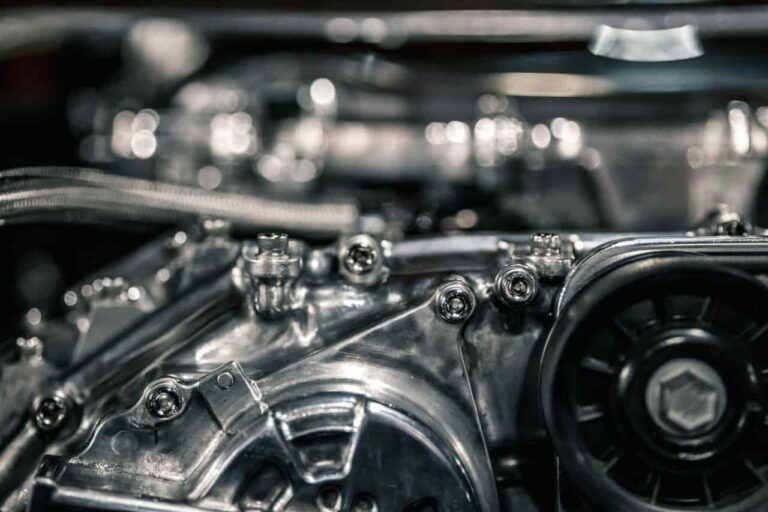
Engine performance upgrades are popular among vehicle owners who want more horsepower, stronger acceleration, improved throttle response, or a more engaging driving experience. Modern engines can respond to carefully selected modifications, but increasing power requires a balanced approach.
An engine is a complex system in which airflow, fuel delivery, ignition, cooling, lubrication, and exhaust flow work together. Changing one component can affect the rest of the system, which is why successful performance builds are usually planned as a complete package.
Start With Your Performance Goal
Before buying engine performance upgrades, determine what you want from the vehicle.
A daily driver may benefit from improved throttle response and moderate power gains without sacrificing reliability. A track car may prioritize maximum horsepower, cooling, and high-rpm performance. A truck may focus more on low-end torque and towing performance.
Your intended use should determine which modifications make sense.
Performance Air Intake
Engines require a steady supply of air for combustion. Performance intake systems are designed to improve airflow and may replace restrictive factory components.
The effectiveness of an intake varies between vehicles. Some modern engines already have highly optimized factory intake systems, meaning aftermarket gains may be relatively modest.
Choose a system that maintains proper filtration and works correctly with the vehicle’s sensors and electronic controls.
High-Flow Air Filters
A performance air filter can be a relatively simple modification. Depending on the design, an aftermarket filter may improve airflow while maintaining filtration.
Reusable filters may also be attractive to some owners because they can be cleaned and reused according to manufacturer instructions.
However, filtration quality should never be sacrificed simply to increase airflow.
Performance Exhaust Systems
After combustion, exhaust gases must leave the engine efficiently. Performance exhaust components can be designed to improve flow and reduce restrictions.
Headers, catalytic converters designed for legal applications, mid-pipes, mufflers, and cat-back systems are examples of components enthusiasts may consider.
Not every loud exhaust system produces significant horsepower. A properly engineered system is generally more important than simply choosing the largest exhaust available.
Also Read: Best Financial Advisor for Financial Planning
ECU Tuning
Modern engines rely heavily on electronic control units. ECU tuning can alter engine parameters and optimize operation for particular modifications.
A properly developed tune may improve throttle response, horsepower, torque, or drivability depending on the vehicle.
However, tuning should be performed carefully. Aggressive settings can increase heat, cylinder pressure, or mechanical stress.
Federal emissions requirements should also be considered. The EPA explains that modifications designed to bypass or disable emissions controls can be prohibited.
For U.S. information about emissions-related aftermarket modifications, see the EPA’s aftermarket retrofit information.
Turbocharger and Supercharger Upgrades
Forced induction is one of the most effective ways to increase engine power.
Turbochargers use exhaust energy to compress incoming air, while superchargers use mechanical power from the engine to provide additional air.
More air allows an appropriately calibrated engine to burn more fuel and produce greater power.
However, forced induction creates additional heat and mechanical stress. Supporting modifications may include improved cooling, fuel-system components, engine management, and drivetrain upgrades.
Intercoolers and Cooling Systems
Heat management becomes increasingly important as engine output increases.
Turbocharged and supercharged engines can benefit from efficient intercooling because compressed intake air becomes hotter. A well-designed intercooler can help manage intake temperatures.
Engine oil cooling and radiator upgrades may also be appropriate for certain high-performance applications.
Ignoring cooling can lead to reduced performance, overheating, or increased mechanical wear.
Fuel System Upgrades
Increasing horsepower often increases the engine’s fuel requirements.
Depending on the build, upgrades may include fuel injectors, fuel pumps, fuel rails, or other components.
Fuel-system modifications should be properly matched to the engine management system. Installing oversized components without proper calibration does not automatically increase performance.
Stronger Supporting Components
High-power builds may require stronger internal engine components or drivetrain parts.
Depending on the engine, enthusiasts may consider forged pistons, connecting rods, upgraded valve springs, head studs, clutches, transmissions, or differentials.
These modifications can become expensive, which is why establishing a realistic power target before beginning the project is important.
Reliability Matters
Maximum horsepower is not always the best objective for a street vehicle.
A moderate power increase with proper cooling, fueling, tuning, and maintenance may provide a better ownership experience than an extreme build that requires frequent repairs.
Regular oil changes, inspections, proper fluids, and monitoring engine temperatures become increasingly important as performance increases.
Final Thoughts
Engine performance upgrades can provide meaningful improvements when they are carefully matched to a vehicle and its intended use. Intake systems, exhaust upgrades, ECU tuning, forced induction, cooling improvements, and fuel-system modifications can all play a role in a successful build.
The key is to think about the engine as a complete system rather than a collection of individual parts.
Choose compatible components, use qualified installers, maintain the vehicle properly, and make sure modifications comply with applicable emissions and safety requirements. A balanced engine upgrade can deliver more power while preserving drivability and reliability.
