
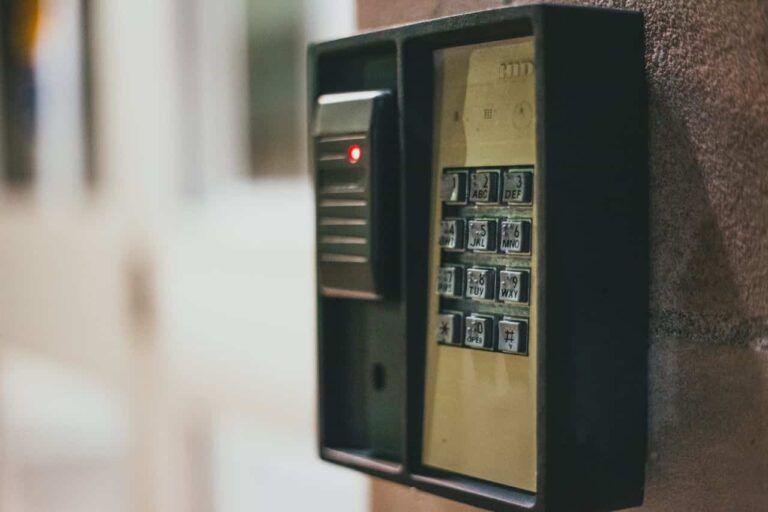
Choosing the best home security systems for homeowners can help protect your property, family, and belongings while providing greater peace of mind when you are home or away. Modern security systems can include alarms, door and window sensors, security cameras, smart locks, motion detectors, and professional monitoring.
The right system depends on your home’s size, security concerns, budget, installation preferences, and interest in smart home technology. In 2026, homeowners can choose from professionally installed systems as well as flexible DIY options. Recent testing and reviews highlight systems such as ADT, SimpliSafe, Vivint, Cove, Frontpoint, Abode, and Ring among the leading options.
What Is a Home Security System?
A home security system is a combination of devices and services designed to detect potential threats and notify homeowners or monitoring professionals. Typical systems use sensors placed around doors and windows, motion detectors, cameras, alarms, and a central control system.
When a sensor detects unusual activity, the system can send an alert to your smartphone or monitoring center. Professional monitoring services may also contact emergency responders when appropriate, depending on the service and situation.
Modern systems can go beyond burglary protection by supporting smoke, carbon monoxide, water, and other environmental alerts.
Best Home Security Systems for Homeowners
ADT
ADT is a strong option for homeowners who prefer professional installation and professional monitoring. Current 2026 reviews place ADT among the leading full-service security systems, particularly for installation and monitoring. ADT also offers smart security features and integrates with Google Nest products.
ADT may be suitable for homeowners who want a professionally managed system rather than installing and maintaining every component themselves.
SimpliSafe
SimpliSafe is a popular choice for homeowners who want flexible equipment and DIY installation. Current reviews highlight its easy setup, modular equipment, optional professional monitoring, and lack of mandatory long-term contracts.
The system can be expanded with additional sensors, cameras, smart locks, and other equipment as your security needs change.
Also Read: Honda Civic Suspension Repair
Vivint
Vivint is designed for homeowners interested in combining security with smart home automation. It can integrate security equipment with devices such as smart locks, lighting, and other connected home technology.
Professional installation and monitoring make Vivint particularly appealing to homeowners who want a comprehensive system managed as part of a connected smart home.
Ring Alarm
Ring is worth considering for homeowners who prioritize security cameras and video doorbells. Ring Alarm can be combined with other Ring devices to create a broader security ecosystem.
It may be especially attractive to homeowners who already use compatible smart home devices and want to manage security through a familiar platform. Current reviews identify Ring as a strong option for cameras and video doorbells.
Abode
Abode is another option for homeowners who want DIY installation and smart home compatibility. It is designed to work with connected-home devices and can provide flexibility for people who want to build a customized security setup.
Current 2026 testing also identifies Abode as an appealing choice for smart-home integration and flexible monitoring.
Features to Look For
Before choosing a security system, consider the features that matter most for your home.
Security Cameras
Indoor and outdoor cameras can provide visual verification when motion is detected. Look for features such as high-resolution video, night vision, motion detection, two-way audio, and smartphone notifications.
If you want to avoid recurring storage costs, consider whether the system supports local video storage. Some modern cameras offer local storage rather than requiring a cloud subscription.
Professional Monitoring
Professional monitoring can provide an additional layer of protection when you are unavailable to respond to an alert. Depending on the provider, trained monitoring personnel can evaluate alarms and follow established emergency procedures.
DIY systems may also allow homeowners to self-monitor through a smartphone application.
Smart Home Integration
If you already use smart lights, locks, thermostats, or voice assistants, check whether your security system works with your existing devices.
Smart integration can allow homeowners to manage multiple connected devices through one application or create automated routines.
Backup Connectivity
Internet outages can affect connected security equipment. Some systems offer cellular backup or other redundant communication options. This can be an important consideration if maintaining connectivity during an internet outage is a priority.
DIY vs. Professionally Installed Security
DIY security systems are generally attractive to homeowners who want lower installation costs and greater control over their equipment. They can also make it easier to add or relocate sensors.
Professionally installed systems may be better suited to larger homes, complex security requirements, or homeowners who prefer not to install equipment themselves.
Neither approach is automatically better. The best choice depends on your technical comfort, budget, property size, and desired level of support.
How Much Home Security Do You Need?
A basic system may include a central hub, keypad, door sensors, window sensors, and one or more motion detectors. Larger properties may require additional cameras, sensors, glass-break detection, smart locks, and outdoor coverage.
Consider your home’s entry points and areas that require monitoring before purchasing equipment. Avoid paying for features you are unlikely to use, but make sure important areas are adequately covered.
Final Thoughts
The best home security systems for homeowners combine reliable equipment, useful features, straightforward operation, and a monitoring option that fits your needs. ADT can appeal to homeowners seeking professional installation and monitoring, while SimpliSafe offers flexible DIY security. Vivint is well suited to smart-home automation, Ring is attractive for camera-focused setups, and Abode provides flexible smart-home integration.
Before choosing a system, compare equipment costs, monitoring fees, contracts, installation requirements, camera capabilities, smart-home compatibility, and backup options. A carefully selected security system can provide convenient monitoring while helping homeowners stay more aware of activity around their property.
