
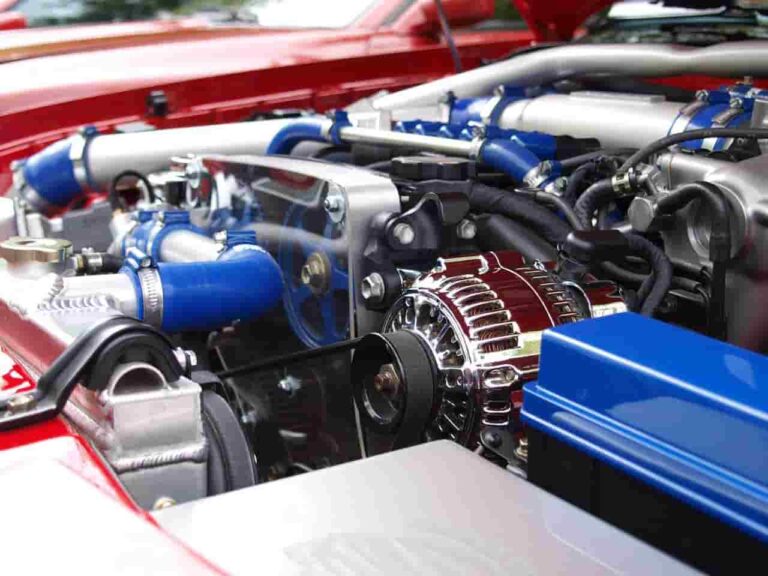
Car performance upgrades can transform the way a vehicle accelerates, handles corners, responds to the throttle, and performs on the road. Whether you drive a sports car, pickup truck, sedan, or performance-oriented SUV, there are many aftermarket modifications designed to improve different aspects of driving.
However, choosing the right upgrades requires more than simply buying the most powerful parts available. Compatibility, installation quality, reliability, maintenance, emissions compliance, and your driving goals should all be considered before modifying a vehicle.
What Are Car Performance Upgrades?
Car performance upgrades are aftermarket components or modifications designed to improve a vehicle’s performance. Depending on the vehicle, upgrades can target horsepower, torque, acceleration, handling, braking, cooling, weight, or overall driving response.
Some modifications focus on the engine, while others improve suspension, brakes, tires, exhaust systems, or aerodynamics.
The best approach is to determine what you want to improve before purchasing parts. Someone interested in quicker acceleration may need different upgrades than a driver primarily interested in better cornering or braking.
Cold Air Intake Systems
One popular modification is a performance air intake. An upgraded intake can be designed to improve airflow to the engine compared with the original system.
Improved airflow can complement other engine modifications, although the actual performance gain depends heavily on the vehicle and the design of the aftermarket component.
When choosing an intake, look for a system specifically engineered for your make and model. Installation should not interfere with sensors, filtration, or other critical engine components.
Performance Exhaust Systems
A performance exhaust system is another common car performance upgrade. Depending on the design, an aftermarket exhaust can improve exhaust flow, reduce weight, and change the vehicle’s exhaust sound.
Some systems are designed primarily for sound, while others focus on reducing restrictions and supporting broader engine modifications.
It is important to avoid modifications that remove or disable required emissions equipment. The EPA states that tampering with vehicle emissions controls and installing defeat devices can violate federal law.
For additional information, review the EPA guidance on aftermarket vehicle modifications.
Suspension Upgrades
Performance is not limited to horsepower. Suspension upgrades can dramatically change how a vehicle behaves.
Upgraded springs, shocks, struts, sway bars, and other suspension components may improve body control and cornering response. Adjustable suspension systems can also allow drivers to customize ride height and handling characteristics.
However, aggressive suspension modifications can reduce ride comfort. Lowering a vehicle too much can also create clearance problems and potentially affect alignment or other components.
Also Read: Best Medicare Advantage Plan for Senior
Performance Tires
Tires are among the most important performance upgrades because they are the only components directly connecting the vehicle to the road.
High-quality performance tires can improve traction, braking, steering response, and cornering ability. Choosing the correct tire depends on the vehicle, climate, driving conditions, and intended use.
Drivers in areas with significant seasonal weather should consider whether a performance tire is appropriate for wet, cold, or winter conditions.
Brake Upgrades
Increasing engine power without improving braking capability may not provide a balanced performance package.
Performance brake pads, rotors, stainless-steel brake lines, and upgraded calipers can potentially improve braking performance depending on the application.
Brake modifications should be selected carefully because compatibility and proper installation are critical to vehicle safety.
Lightweight Wheels
Reducing unsprung weight can improve the responsiveness of a vehicle. Lightweight wheels may help reduce rotational and unsprung mass, potentially contributing to steering response and acceleration characteristics.
However, wheel size, offset, load rating, tire compatibility, and brake clearance must be considered before purchasing new wheels.
ECU Tuning
Electronic tuning can modify engine parameters such as fuel delivery, ignition timing, throttle behavior, or boost pressure on compatible vehicles.
However, tuning must be approached carefully. A calibration designed for one combination of components may not be appropriate for another.
Most importantly, modifications should not disable required emissions systems. The EPA notes that software or tuning intended to bypass emissions controls can constitute an illegal defeat device.
Build a Balanced Performance Package
One of the biggest mistakes enthusiasts make is focusing on horsepower alone. A balanced vehicle should have appropriate tires, brakes, cooling, suspension, and drivetrain components.
For example, adding substantial engine power without addressing traction may simply produce wheelspin rather than meaningful acceleration.
Likewise, an extremely aggressive suspension setup may improve track performance while making daily driving uncomfortable.
Final Thoughts
Car performance upgrades can make driving more enjoyable and help a vehicle better match your personal preferences. Intake systems, exhaust components, suspension upgrades, performance tires, brakes, wheels, and properly engineered engine modifications all have different benefits.
The best upgrade strategy starts with a clear goal. Research compatibility, use quality components, and have complex modifications installed by qualified professionals.
Most importantly, keep safety and legal requirements in mind. A well-planned performance build should improve the driving experience without compromising reliability, safety, or emissions compliance.
