
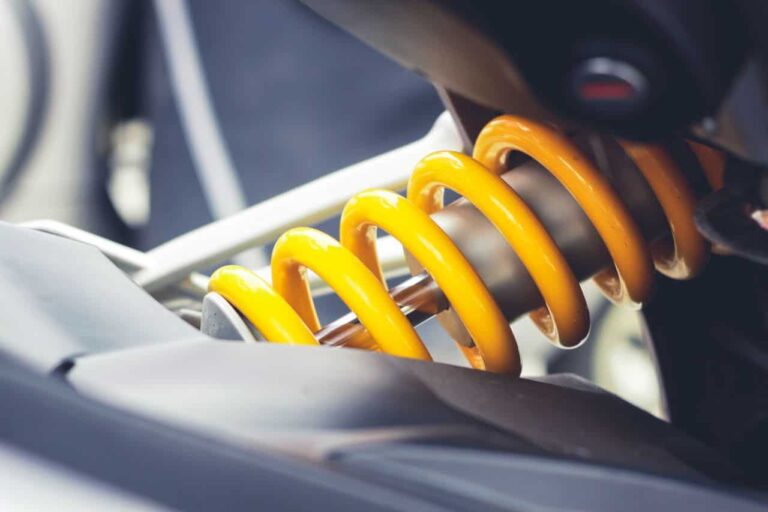
The suspension system plays a vital role in your Honda Civic’s performance, comfort, and safety. It absorbs shocks from uneven roads, keeps the tires in contact with the pavement, and provides stable handling during acceleration, braking, and cornering. Over time, suspension components naturally wear out due to daily driving, road conditions, and mileage. Ignoring suspension problems can lead to poor handling, uneven tire wear, and expensive repairs.
Whether you drive an older Honda Civic or a newer model, understanding how the suspension system works and recognizing early signs of wear can help you maintain a safe and comfortable driving experience. This guide covers common Honda Civic suspension problems, repair options, estimated costs, and preventive maintenance tips.
Understanding the Honda Civic Suspension System
The suspension system consists of several components that work together to provide stability and ride comfort. Key parts include:
- Shock absorbers and struts
- Coil springs
- Control arms
- Ball joints
- Sway bars and sway bar links
- Bushings
- Tie rod ends
- Wheel bearings
Each component contributes to maintaining proper wheel alignment and ensuring smooth handling on different road surfaces.
Common Honda Civic Suspension Problems
Like any vehicle, the Honda Civic can develop suspension issues as components wear over time. Some of the most common problems include:
- Worn shocks or struts
- Damaged control arm bushings
- Loose ball joints
- Broken sway bar links
- Worn tie rod ends
- Sagging suspension springs
- Wheel alignment issues
- Uneven tire wear
These problems can affect ride quality and reduce your vehicle’s overall safety if not repaired promptly.
Signs Your Honda Civic Needs Suspension Repair
Recognizing suspension problems early can help prevent more serious damage and improve driving safety.
Rough or Bumpy Ride
If you feel every bump in the road more than usual, worn shocks or struts may no longer be absorbing impacts effectively.
Vehicle Pulling to One Side
A Civic that drifts or pulls while driving may have worn suspension components or improper wheel alignment.
Uneven Tire Wear
Suspension issues often cause tires to wear unevenly, reducing tire lifespan and affecting traction.
Excessive Body Roll
If the vehicle leans excessively during turns, worn sway bar links or shocks may be reducing stability.
Clunking or Knocking Noises
Noises coming from the front or rear suspension while driving over bumps often indicate worn bushings, ball joints, or sway bar links.
Nose Diving During Braking
A worn suspension may cause the front of the vehicle to dip excessively when braking, reducing control and stopping performance.
Common Causes of Suspension Damage
Several factors contribute to suspension wear and damage.
Poor Road Conditions
Driving frequently over potholes, speed bumps, and rough roads places extra stress on suspension components.
High Mileage
As your Honda Civic accumulates miles, shocks, bushings, and ball joints naturally wear out.
Accidents or Impacts
Collisions with curbs or road hazards can bend suspension components and affect wheel alignment.
Lack of Maintenance
Ignoring routine inspections can allow minor suspension issues to worsen over time.
Heavy Loads
Regularly carrying excessive weight can accelerate wear on springs and shock absorbers.
Also Read: Bumper Crack Repair – Guide
Honda Civic Suspension Repair Process
Professional suspension repair begins with a thorough inspection to identify worn or damaged components.
Initial Inspection
Technicians visually inspect shocks, struts, bushings, ball joints, control arms, and steering components for signs of wear or damage.
Road Test
A test drive helps identify handling issues, vibrations, unusual noises, and ride quality concerns.
Suspension Diagnosis
Specialized equipment is used to check suspension movement, wheel alignment, and component integrity.
Component Replacement
Depending on the diagnosis, technicians may replace shocks, struts, bushings, sway bar links, ball joints, or control arms.
Wheel Alignment
After replacing suspension components, a professional wheel alignment ensures proper tire contact and handling.
Final Inspection
The vehicle undergoes a final road test to verify smooth handling, proper steering response, and improved ride comfort.
Honda Civic Suspension Repair Costs
The cost of suspension repair depends on the model year, damaged components, labor rates, and whether OEM or aftermarket parts are used.
Common factors affecting repair costs include:
- Shock absorber replacement
- Strut replacement
- Ball joint replacement
- Control arm repair
- Sway bar link replacement
- Wheel alignment
- Suspension bushing replacement
- Labor charges
Replacing a single worn component is usually less expensive than repairing multiple suspension parts after prolonged neglect.
Repair or Replace Suspension Components?
Not every suspension issue requires replacing the entire system. The appropriate solution depends on the condition of individual parts.
Repair or replacement is usually recommended when:
- Shocks or struts are leaking.
- Ball joints have excessive play.
- Bushings are cracked or deteriorated.
- Sway bar links are loose or broken.
- Control arms are bent or damaged.
Replacing worn components promptly helps maintain safe handling and prevents additional damage to other parts of the suspension system.
Preventive Maintenance Tips
Routine maintenance can significantly extend the life of your Honda Civic’s suspension.
Follow these maintenance practices:
- Inspect suspension components during routine service.
- Rotate tires regularly.
- Maintain proper tire pressure.
- Schedule wheel alignments when needed.
- Avoid potholes whenever possible.
- Reduce speed on rough roads.
- Do not overload the vehicle.
- Replace worn components before they fail completely.
Regular inspections help identify small problems before they become expensive repairs.
Choosing a Professional Suspension Repair Shop
Selecting an experienced repair shop is essential for quality suspension service. Look for technicians familiar with Honda vehicles, advanced diagnostic equipment, transparent pricing, and warranties on parts and labor. Reading customer reviews and requesting a detailed estimate before repairs can help ensure you receive reliable service.
Conclusion
Honda Civic suspension repair is essential for maintaining a smooth ride, precise handling, and overall driving safety. Worn shocks, damaged bushings, loose ball joints, or other suspension problems can reduce vehicle stability and increase tire wear if left unaddressed.
By recognizing early warning signs, scheduling routine inspections, and investing in timely repairs, you can extend the life of your Honda Civic’s suspension system and enjoy dependable performance on every journey. Whether you need a minor suspension adjustment or a complete component replacement, professional service ensures your vehicle remains safe, comfortable, and ready for the road.
