
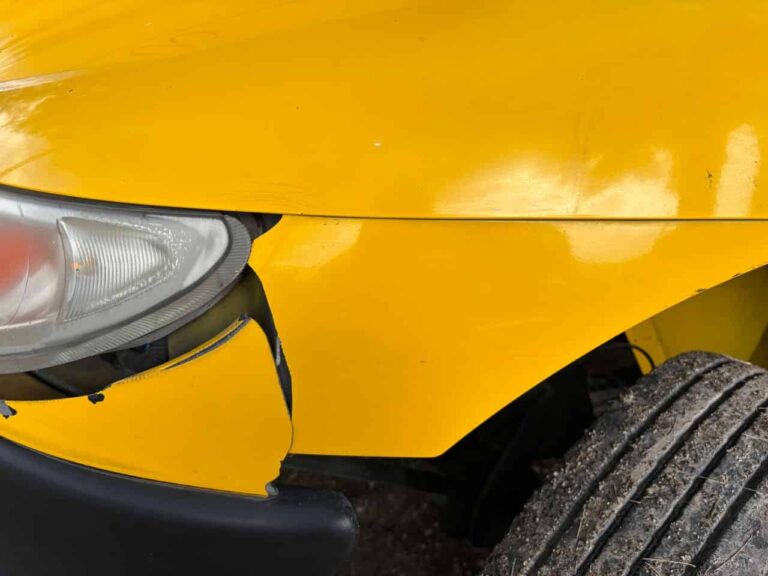
A cracked bumper is one of the most common types of vehicle damage, often caused by minor accidents, parking mishaps, or road debris. While it may seem like a cosmetic issue, a cracked bumper can reduce your vehicle’s ability to absorb impact and protect critical components during a collision. Prompt bumper crack repair not only improves the appearance of your car but also helps maintain its safety, value, and structural integrity.
Whether the damage is a small surface crack or a larger split, understanding the repair process can help you make informed decisions. In this guide, we’ll explain the causes of bumper cracks, repair methods, repair costs, and maintenance tips to keep your bumper in excellent condition.
What Causes a Cracked Bumper?
Modern vehicle bumpers are typically made from flexible plastic materials designed to absorb low-speed impacts. Despite their durability, they can still crack under certain conditions.
Common causes of bumper cracks include:
- Minor vehicle collisions
- Parking lot accidents
- Hitting curbs or speed bumps
- Road debris striking the bumper
- Extreme weather conditions
- Aging plastic that becomes brittle over time
Even a small crack can expand if left untreated, especially when exposed to vibration, moisture, and temperature changes.
Also Read: Signs of Bad Radiator – Guide
Why Bumper Crack Repair Is Important
Many drivers ignore bumper cracks because the vehicle still appears drivable. However, delaying repairs can lead to more extensive damage and higher repair costs.
Repairing a cracked bumper offers several benefits:
- Restores your vehicle’s appearance
- Prevents cracks from spreading
- Maintains impact protection
- Helps preserve resale value
- Protects internal bumper components
- Reduces the risk of moisture damage
Addressing the damage early is usually more affordable than replacing the entire bumper.
Types of Bumper Cracks
Not every crack requires the same repair method. The severity of the damage determines the appropriate solution.
Hairline Cracks
These are small surface cracks that have not penetrated the entire bumper. They are generally the easiest and least expensive to repair.
Medium Cracks
These cracks extend deeper into the plastic and may require plastic welding or reinforcement before refinishing.
Large Splits
Long or wide cracks often affect the bumper’s structural integrity. Depending on the damage, repair may still be possible, but replacement is sometimes the better option.
Cracks with Missing Pieces
If sections of the bumper are missing, repairs become more complex. In many cases, replacing the bumper provides a stronger and longer-lasting solution.
How Professionals Perform Bumper Crack Repair
Professional repair shops use specialized equipment and techniques to restore damaged bumpers.
The repair process typically includes:
Damage Inspection
Technicians assess the size, depth, and location of the crack while checking for hidden structural damage.
Cleaning the Area
The damaged section is thoroughly cleaned to remove dirt, grease, and contaminants that could affect adhesion.
Plastic Repair or Welding
Depending on the bumper material, technicians may use plastic welding, repair adhesives, or reinforcing mesh to restore strength.
Sanding and Surface Preparation
Once the repair is complete, the surface is sanded smooth to eliminate imperfections.
Primer and Paint
A primer is applied before color-matching the paint to blend seamlessly with the rest of the vehicle.
Clear Coat and Polishing
The repaired area receives a protective clear coat and is polished to achieve a factory-like finish.
How Much Does Bumper Crack Repair Cost?
The cost of bumper crack repair depends on several factors, including the size of the crack, vehicle make and model, paint requirements, and labor rates.
Factors affecting repair costs include:
- Severity of the crack
- Location of the damage
- Type of bumper material
- Paint matching requirements
- Whether sensors need recalibration
- Local labor rates
Small cosmetic cracks are generally less expensive to repair than large structural cracks that require extensive restoration.
Repair or Replace?
Choosing between repairing and replacing a bumper depends on the extent of the damage.
Repair is usually recommended when:
- The crack is relatively small.
- No pieces are missing.
- Mounting points remain intact.
- Structural damage is minimal.
Replacement may be necessary if:
- The bumper has multiple large cracks.
- Mounting brackets are broken.
- Significant sections are missing.
- The internal reinforcement has been damaged.
A professional inspection can determine the most cost-effective solution.
Can You Repair a Cracked Bumper Yourself?
DIY repair kits are available for minor bumper cracks, and they may work well for small cosmetic damage. However, achieving a smooth finish that matches the original paint requires experience and proper equipment.
Professional repairs are recommended when:
- The crack is deep or extensive.
- The bumper contains parking sensors or cameras.
- Paint matching is important.
- Structural integrity has been affected.
Improper repairs can lead to visible imperfections and reduced durability.
Tips to Prevent Future Bumper Damage
While accidents cannot always be avoided, a few simple precautions can reduce the risk of bumper damage.
- Park carefully and use backup cameras when available.
- Maintain a safe following distance.
- Slow down over speed bumps.
- Avoid driving too close to curbs.
- Inspect your bumper after minor impacts.
- Repair small cracks before they spread.
Regular inspections and prompt maintenance help extend the life of your bumper and reduce future repair expenses.
Conclusion
Bumper crack repair is an effective way to restore your vehicle’s appearance, maintain safety, and prevent minor damage from becoming a major problem. Whether the crack is caused by a parking accident, road debris, or everyday wear, timely repairs can save money and preserve your car’s value.
If your bumper has developed a crack, scheduling a professional inspection is the best way to determine whether repair or replacement is the right solution. Investing in quality repairs ensures your vehicle remains safe, attractive, and ready for the road for years to come.
