
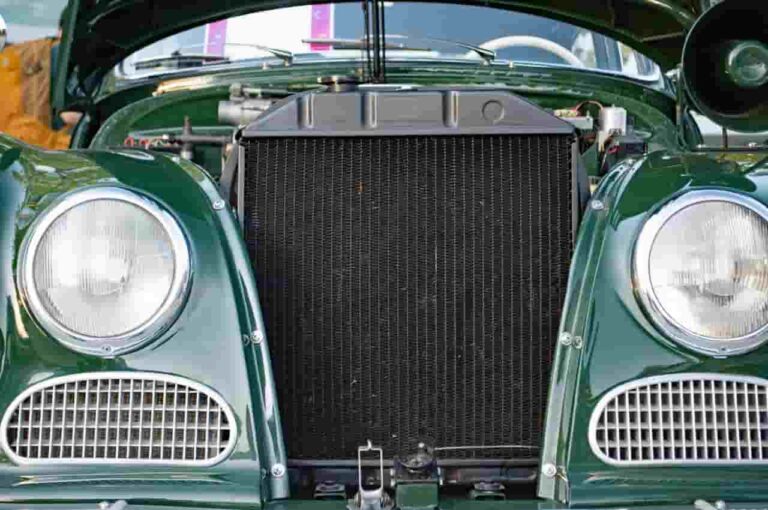
Your vehicle’s radiator is one of the most important components of the cooling system, helping regulate engine temperature and prevent overheating. When a radiator becomes damaged, clogged, or begins leaking, replacing it is often the best solution. Understanding the radiator installation cost can help you budget for repairs and avoid unexpected expenses.
The total price of radiator installation varies depending on your vehicle, the type of radiator, labor charges, and whether additional cooling system repairs are needed. In this guide, you’ll learn what influences radiator replacement costs, average price ranges, and practical ways to save money without sacrificing quality.
Average Radiator Installation Cost
The cost of installing a new radiator depends on several variables, but most vehicle owners can expect to pay anywhere from $300 to $1,200 for parts and labor combined.
For many standard passenger vehicles, radiator replacement typically falls between $400 and $800. Luxury vehicles, high-performance cars, SUVs, and trucks often cost more because they require specialized parts or additional labor.
The final price usually includes:
- A new radiator
- Labor charges
- Fresh coolant
- Cooling system refill and bleeding
- Disposal of old coolant
- Basic inspection of the cooling system
If other components are worn or damaged, additional repairs may increase the total cost.
Factors That Affect Radiator Installation Cost
Several factors determine how much you’ll pay for radiator installation.
Vehicle Make and Model
The type of vehicle plays a significant role in pricing. Compact cars generally have smaller, less expensive radiators that are easier to replace. Larger trucks, SUVs, and luxury vehicles often require bigger radiators or more complex installation procedures, increasing both parts and labor costs.
Some imported vehicles also use manufacturer-specific components that cost more than aftermarket alternatives.
Radiator Type
Radiators come in different materials and designs.
Plastic-and-aluminum radiators are the most common and generally the most affordable. All-aluminum radiators typically cost more but offer improved durability and cooling performance, making them popular for performance vehicles and heavy-duty applications.
Choosing between an original equipment manufacturer (OEM) radiator and an aftermarket replacement also affects the total price.
Labor Costs
Labor charges vary depending on the repair shop, geographic location, and vehicle complexity.
Most radiator installations require between two and five hours of labor. Vehicles with limited engine compartment space may require technicians to remove additional components before accessing the radiator, increasing labor time.
Repair shops in larger cities generally charge higher hourly labor rates than independent mechanics in smaller communities.
Also Read: Steering Pump Replacement – Guide
Additional Cooling System Repairs
During radiator replacement, technicians often discover other worn cooling system components that should be replaced at the same time.
These may include:
- Radiator hoses
- Hose clamps
- Thermostat
- Water pump
- Cooling fan
- Expansion tank
- Coolant temperature sensor
Replacing these parts during radiator installation can prevent future breakdowns and reduce overall labor costs since much of the cooling system is already disassembled.
OEM vs. Aftermarket Radiators
Vehicle owners often choose between OEM and aftermarket radiators.
OEM radiators are designed specifically for your vehicle and provide factory-quality fit and performance. However, they usually cost more than aftermarket options.
Aftermarket radiators are produced by independent manufacturers and are available in a wide range of prices and quality levels. A high-quality aftermarket radiator can provide reliable performance while helping reduce installation costs.
Before making a decision, compare warranties, materials, and customer reviews.
Signs You May Need a New Radiator
Replacing the radiator before complete failure helps prevent engine damage.
Common warning signs include:
- Frequent engine overheating
- Coolant leaking beneath the vehicle
- Rust or corrosion on the radiator
- Low coolant levels
- Discolored or contaminated coolant
- Visible cracks in the radiator
- Steam coming from under the hood
Ignoring these symptoms can lead to costly engine repairs if overheating damages internal engine components.
Is Radiator Repair Cheaper Than Replacement?
Minor radiator leaks can sometimes be repaired using specialized welding or sealing techniques. However, repairs are not always a permanent solution, especially if corrosion or extensive internal damage is present.
If the radiator has multiple leaks, severe corrosion, or damaged cooling fins, replacement is usually the more reliable and cost-effective long-term option.
A professional inspection can determine whether repair or replacement is the better choice.
How to Save Money on Radiator Installation
There are several ways to reduce radiator replacement costs without compromising quality.
Compare estimates from multiple repair shops before authorizing repairs. Ask whether the quoted price includes coolant replacement, system flushing, and labor.
If appropriate for your vehicle, consider using a reputable aftermarket radiator instead of an OEM part.
Replacing aging hoses or the thermostat during the same service may save labor costs later by preventing additional cooling system disassembly.
Following your vehicle manufacturer’s maintenance schedule can also extend radiator life and reduce the likelihood of premature replacement.
Can You Drive with a Damaged Radiator?
Driving with a leaking or damaged radiator is risky. A malfunctioning radiator cannot cool the engine effectively, increasing the likelihood of overheating.
Even a short drive with an overheated engine can result in serious damage, including a blown head gasket, warped cylinder head, or engine failure.
If your vehicle overheats or loses coolant rapidly, it should be inspected and repaired before further driving.
Conclusion
Radiator installation cost depends on factors such as your vehicle type, radiator quality, labor rates, and any additional cooling system repairs required. While most radiator replacements cost between $300 and $1,200, investing in a quality radiator and professional installation helps protect your engine from overheating and expensive future repairs.
Regular cooling system maintenance, prompt attention to leaks, and replacing worn components when necessary can extend the life of your radiator and improve your vehicle’s overall reliability. If you notice signs of radiator failure, scheduling a professional inspection early can save both time and money in the long run.
