
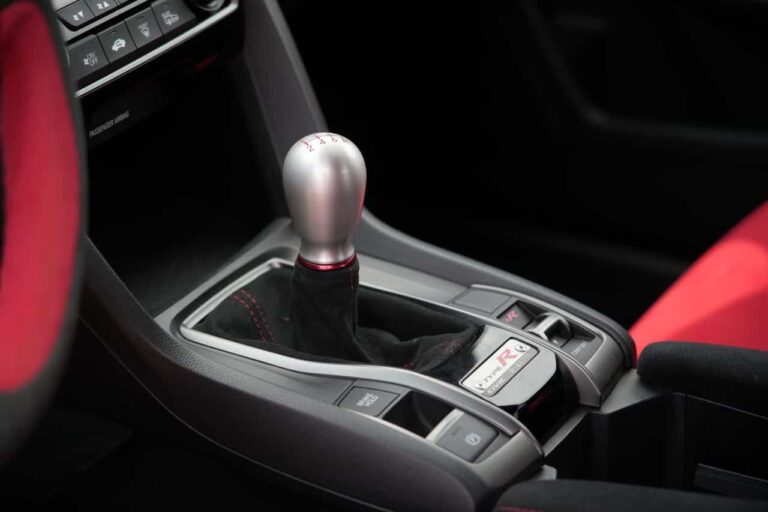
The transmission is one of the most important components of your Honda Civic, ensuring that power from the engine is delivered efficiently to the wheels. Whether your Civic has a manual transmission or a continuously variable transmission (CVT), keeping it in good condition is essential for smooth performance, fuel efficiency, and long-term reliability. When transmission problems develop, addressing them early can prevent costly repairs and extend the life of your vehicle.
In this guide, we’ll cover the most common Honda Civic transmission issues, warning signs, repair options, estimated costs, and maintenance tips to help keep your car running smoothly.
Common Honda Civic Transmission Problems
Although the Honda Civic has earned a reputation for reliability, transmission issues can occur due to wear and tear, lack of maintenance, or component failure. Some problems are minor and easily repaired, while others require more extensive work.
Common transmission problems include:
- Delayed gear engagement
- Slipping gears
- Rough or hard shifting
- Transmission fluid leaks
- Grinding or whining noises
- Transmission overheating
- Shaking or vibration during acceleration
- Illuminated check engine or transmission warning light
Recognizing these issues early can help prevent further damage and reduce repair costs.
Signs Your Honda Civic Needs Transmission Repair
Your vehicle will often show warning signs before a transmission failure occurs. Paying attention to these symptoms can save you from expensive repairs.
Difficulty Shifting Gears
If your Honda Civic hesitates when shifting or changes gears unexpectedly, the transmission may need professional inspection.
Transmission Slipping
A slipping transmission causes the engine to rev without a corresponding increase in speed. This issue may indicate worn clutch components, low transmission fluid, or internal damage.
Fluid Leaks
Transmission fluid is typically bright red or pink when new. Puddles beneath your vehicle may indicate a leaking transmission seal, gasket, or cooler line.
Unusual Noises
Grinding, humming, buzzing, or whining sounds while driving can signal worn bearings, damaged gears, or insufficient lubrication.
Burning Smell
A burning odor often suggests overheated or deteriorated transmission fluid. Continuing to drive under these conditions may result in serious internal damage.
Common Causes of Transmission Problems
Several factors contribute to Honda Civic transmission issues.
Low or Contaminated Transmission Fluid
Transmission fluid lubricates moving parts, reduces heat, and ensures smooth gear changes. Dirty or low fluid is one of the leading causes of transmission damage.
Worn Internal Components
Over time, gears, bearings, seals, and clutch packs naturally wear out, especially in high-mileage vehicles.
Faulty Transmission Solenoids
Electronic solenoids regulate hydraulic pressure inside the transmission. A malfunctioning solenoid can cause delayed or harsh shifting.
Overheating
Excessive heat accelerates wear and reduces the effectiveness of transmission fluid. Heavy traffic, towing, or neglected maintenance can contribute to overheating.
Software Issues
Newer Honda Civic models use computerized transmission controls. In some cases, software updates or module recalibration can resolve shifting problems.
Also Read: Radiator Leaking from Bottom – Guide
Honda Civic Transmission Repair Process
Professional transmission repair begins with a complete diagnostic inspection.
Diagnostic Testing
Technicians scan the vehicle for diagnostic trouble codes, inspect transmission fluid, and perform a road test to identify symptoms.
Fluid Inspection
The condition and level of transmission fluid are checked to determine whether contamination or leakage is contributing to the problem.
Component Inspection
External seals, cooler lines, mounts, electrical connectors, and sensors are inspected for signs of damage or wear.
Repair or Replacement
Depending on the diagnosis, technicians may replace faulty solenoids, seals, sensors, or internal transmission components. In severe cases, a complete transmission rebuild or replacement may be recommended.
Final Testing
After repairs are completed, the transmission is tested to ensure smooth operation, proper shifting, and leak-free performance.
Honda Civic Transmission Repair Costs
The cost of Honda Civic transmission repair depends on several factors, including the model year, transmission type, severity of damage, and labor rates.
Common cost factors include:
- Diagnostic inspection
- Transmission fluid service
- Seal and gasket replacement
- Solenoid replacement
- Clutch repairs for manual models
- Internal transmission repairs
- Complete transmission rebuild or replacement
Minor repairs are generally much less expensive than replacing an entire transmission, making early diagnosis an important investment.
Repair or Replace the Transmission?
The decision to repair or replace a transmission depends on the extent of the damage.
Repair is often recommended when:
- The issue involves fluid leaks.
- A sensor or solenoid has failed.
- Minor internal components require replacement.
- The transmission is otherwise in good condition.
Replacement or rebuilding may be the better choice if:
- Internal gears have extensive damage.
- The transmission has suffered catastrophic failure.
- Multiple major components require replacement.
- Repair costs approach the value of a rebuilt transmission.
A qualified technician can help determine the most cost-effective solution.
Preventive Maintenance Tips
Routine maintenance plays a significant role in extending the life of your Honda Civic transmission.
Follow these maintenance practices:
- Check transmission fluid regularly.
- Replace transmission fluid according to the manufacturer’s maintenance schedule.
- Address leaks immediately.
- Avoid aggressive acceleration and sudden stops.
- Do not overload the vehicle beyond its recommended capacity.
- Allow the transmission to warm up during extremely cold weather.
- Schedule regular inspections if your vehicle has high mileage.
Proper maintenance reduces wear, improves shifting performance, and helps prevent unexpected breakdowns.
Choosing a Professional Transmission Repair Shop
Selecting an experienced repair shop is essential for quality transmission service. Look for technicians with experience working on Honda vehicles, modern diagnostic equipment, transparent pricing, and warranties on parts and labor. Reading customer reviews and requesting a detailed repair estimate can also help you make an informed decision.
Conclusion
Honda Civic transmission repair is essential for maintaining reliable performance, fuel efficiency, and driving comfort. Whether you’re dealing with slipping gears, fluid leaks, unusual noises, or shifting problems, addressing the issue promptly can prevent more extensive damage and costly repairs.
Regular maintenance, timely inspections, and professional repairs are the keys to extending the life of your transmission. By taking care of your Honda Civic’s transmission, you can enjoy dependable performance and peace of mind for many miles ahead.
