
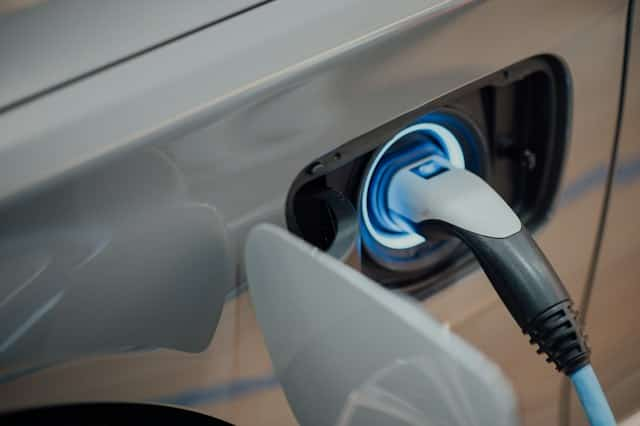
Electric delivery vans, employee EVs and customers searching for a place to plug in are pushing more businesses to install charging stations. The first question is always the same: how much does a commercial EV charging station cost? The honest answer is that it depends on the charger type, your electrical capacity and how much construction your site needs.
This guide breaks down equipment and installation costs, explains what changed with federal tax credits in 2026, and shows how to estimate your return on investment.
Commercial EV Charging Station Cost at a Glance
| Charger Type | Typical Power Output | Typical Installed Cost per Port | Best For |
|---|---|---|---|
| Level 2 | 7 to 19.2 kW | $3,000 to $15,000 | Workplaces, hotels, apartments, fleets parked overnight |
| DC fast charger (Level 3) | 50 to 350 kW | $50,000 to $150,000 or more | Retail stops, highway sites, high-use fleets |
DC fast charging projects that need a new transformer or major utility work can exceed $250,000 per charger.
What Goes Into the Cost of a Commercial Charging Station
1. Charging Hardware
Commercial Level 2 units typically cost from around $600 to $7,000 each, depending on dual ports, networking, cable management and durability. DC fast charging hardware ranges from roughly $10,000 for lower-power units to well over $200,000 per dispenser for high-power systems.
2. Electrical Work
Level 2 chargers need dedicated 208/240-volt circuits. Many sites also need panel upgrades, new breakers, conduit and wiring. The farther the chargers sit from your electrical room, the higher the bill.
3. Trenching and Civil Work
Cutting concrete or asphalt, pouring mounting pads, adding protective bollards, painting spaces, installing lighting and meeting accessibility requirements can rival the cost of the hardware itself. This is often the biggest wildcard in a quote.
4. Utility Upgrades
DC fast chargers draw large amounts of power and often require a service upgrade or new transformer. Utility work can add significant cost and months to your timeline, so contact your utility early.
5. Permits, Design and Engineering
Expect fees for electrical plans, load calculations, site drawings and local permits.
6. Software and Networking
Networked chargers let you set prices, restrict access, process payments and manage energy use. Most networks charge an annual subscription per port, and many sell extended warranties and maintenance plans.
7. Electricity and Demand Charges
Ongoing energy costs include not only the electricity you use but also demand charges based on your highest power draw. For DC fast charging sites, demand charges can be one of the largest operating expenses.
Factors That Raise or Lower Your Cost
- Existing electrical capacity: Spare panel capacity can save thousands of dollars.
- Distance to power: Placing chargers near your electrical service reduces trenching.
- Number of ports: Larger installations lower the cost per port.
- Load management: Smart charging shares available power across chargers and can help you avoid costly service upgrades.
- Future-proofing: Installing extra conduit now is far cheaper than tearing up pavement later.
Tax Credits and Incentives in 2026
The federal Alternative Fuel Vehicle Refueling Property Credit (Section 30C) gave businesses a credit of 6% of eligible costs, or 30% when prevailing wage and apprenticeship requirements were met, up to $100,000 per charger in eligible census tracts. However, the One Big Beautiful Bill Act moved the credit’s end date to June 30, 2026. Chargers placed in service after that date no longer qualify.
If your chargers were placed in service on or before June 30, 2026, you may still claim the credit on IRS Form 8911 for that tax year. For new projects, look to:
- State rebate and grant programs for workplace, fleet and public charging
- Utility “make-ready” programs that pay for some or all of the electrical infrastructure
- Local air-quality and clean transportation grants
- Depreciation deductions for business equipment, which your tax advisor can review
The Department of Energy’s Alternative Fuels Data Center guide to charging procurement and installation is a helpful starting point for planning and finding available programs. If you are also adding electric vehicles to your fleet, our guide to electric vehicle financing options covers loans and leases that can spread out the upfront cost.
How to Estimate ROI on Commercial EV Charging
Your return depends on why you are installing chargers:
- Retail and hospitality: Charging fees bring in revenue, but the bigger payoff is often longer customer visits and higher spending.
- Workplaces and apartments: Chargers act as an amenity that helps attract employees and tenants and can support higher property values.
- Fleets: Savings come from lower fuel and maintenance costs compared with gasoline or diesel vehicles.
To estimate payback, add your total installed cost, subtract incentives, then divide by your expected annual net benefit from charging revenue, fuel savings or added sales, minus electricity, software and maintenance costs.
Installation Timeline
Most commercial Level 2 projects take about six to twelve weeks from planning to operation. DC fast charging projects commonly take four to eight months, and longer when utility transformer work is involved.
Tips to Lower Your Installation Cost
- Request at least three bids from certified commercial EV installers.
- Schedule an electrical load assessment before choosing equipment.
- Match charger speed to how long vehicles stay parked, since Level 2 is enough for most stays over a few hours.
- Ask about charging-as-a-service or leasing options that reduce upfront costs.
- Apply for utility and state incentives before construction begins, since many programs require pre-approval.
Final Thoughts
A commercial EV charging station can cost a few thousand dollars per port for Level 2 or six figures for DC fast charging. With the federal 30C credit now expired for new installations, careful planning matters more than ever. Choose the right charger level, use load management, and tap state and utility programs to keep your project on budget.
Costs and incentives change frequently. Confirm current pricing with local installers and tax treatment with a qualified tax professional.
