
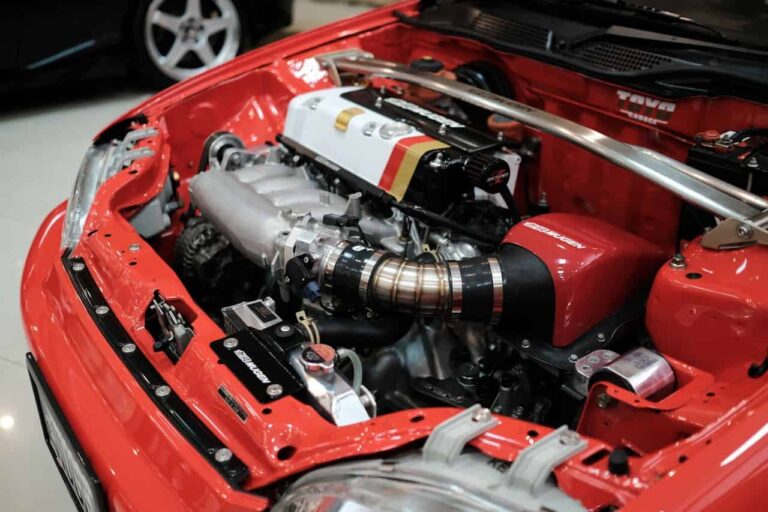
The ignition module, also known as the ignition control module (ICM), is a critical component of your vehicle’s ignition system. It controls the timing of the spark sent to the spark plugs, ensuring the engine runs smoothly and efficiently. When the ignition module begins to fail, it can cause hard starting, engine misfires, poor performance, and even prevent the engine from starting altogether. Understanding the symptoms of a faulty ignition module and knowing when repair or replacement is necessary can help prevent unexpected breakdowns and costly engine problems.
Although modern ignition modules are built for durability, they can fail over time due to heat, vibration, electrical issues, or normal wear. Prompt diagnosis and repair help restore reliable engine performance and improve overall vehicle dependability.
What Is an Ignition Module?
The ignition module is an electronic device that manages the operation of the ignition coils. It receives signals from the crankshaft position sensor or camshaft position sensor and determines the correct timing for firing the spark plugs.
In older vehicles, the ignition module often works with the distributor, while many modern vehicles integrate its functions into the engine control unit (ECU). Regardless of the design, the ignition module plays an essential role in maintaining proper engine timing and combustion.
Without a functioning ignition module, the engine cannot consistently generate the spark needed for efficient operation.
Signs You Need Ignition Module Repair
Several warning signs may indicate that your ignition module is malfunctioning.
Difficulty Starting the Engine
A failing ignition module may interrupt spark delivery, making it difficult for the engine to start.
You may notice extended cranking, intermittent starting problems, or a complete no-start condition.
Engine Misfires
One of the most common symptoms is engine misfiring.
Common signs include:
- Rough engine operation
- Jerking during acceleration
- Loss of engine power
- Uneven idle
Frequent misfires should be diagnosed quickly to avoid catalytic converter damage.
Engine Stalling
A faulty ignition module can suddenly stop sending signals to the ignition system.
This may cause the engine to stall while driving or while idling at a stoplight.
Intermittent stalling often becomes more frequent as the module continues to deteriorate.
Check Engine Light
Modern vehicles monitor ignition system performance continuously.
If the ignition module fails or produces incorrect signals, the Check Engine Light may illuminate and store diagnostic trouble codes.
A professional diagnostic scan helps identify the exact cause.
Poor Acceleration
Improper ignition timing caused by a faulty module can reduce engine performance.
Drivers may notice:
- Slow acceleration
- Hesitation
- Reduced throttle response
- Lack of engine power
Performance problems often become more noticeable during highway driving.
Reduced Fuel Economy
When ignition timing becomes inconsistent, combustion efficiency decreases.
This forces the engine to consume more fuel, reducing overall fuel economy.
Common Causes of Ignition Module Failure
Several factors contribute to ignition module problems.
Common causes include:
- Excessive engine heat
- Electrical overload
- Loose wiring connections
- Corrosion
- Moisture intrusion
- Engine vibration
- Aging electronic components
- Faulty ignition coils
Heat is one of the leading causes of ignition module failure because the component operates in a high-temperature engine environment.
Also Read: Fuel Injector Replacement
Ignition Module Repair Cost
Repair costs depend on the vehicle and whether the module can be repaired or requires replacement.
Average costs in 2026 include:
- Ignition module: $80–$350
- Labor: $75–$200
- Total repair cost: $155–$550
Luxury vehicles and models with integrated ignition control systems may have higher repair costs.
Can You Drive with a Bad Ignition Module?
Driving with a faulty ignition module is not recommended.
A failing module can cause:
- Unexpected engine stalling
- Hard starting
- Engine misfires
- Poor acceleration
- Reduced fuel economy
- Complete engine shutdown
These problems may create unsafe driving conditions, especially in heavy traffic or at highway speeds.
How Ignition Module Repair Is Performed
Repair begins with diagnosing the ignition system to verify that the module is the source of the problem.
The typical repair process includes:
- Scan the vehicle for diagnostic trouble codes.
- Test battery voltage and charging system.
- Inspect ignition wiring and connectors.
- Test ignition coil operation.
- Remove the faulty ignition module.
- Install the new or repaired module.
- Reconnect electrical connections.
- Clear stored fault codes.
- Start the engine and verify proper operation.
Some vehicles may require ignition timing adjustments or ECU relearning after module replacement.
Can an Ignition Module Be Repaired?
In most modern vehicles, ignition modules are sealed electronic components.
If the module fails internally, replacement is usually more reliable than attempting repairs.
However, if the problem is caused by loose wiring, corroded connectors, or damaged electrical terminals, repairing those issues may restore proper operation without replacing the module.
Accurate diagnosis is essential before purchasing replacement parts.
How Long Does Ignition Module Repair Take?
Most ignition module repairs require between one and two hours.
Repair time varies depending on the module’s location, engine design, and whether additional diagnostic testing is required.
Vehicles with easily accessible ignition components generally require less labor.
How to Prevent Ignition Module Failure
Although electronic components eventually wear out, proper maintenance can help extend ignition module life.
Helpful maintenance tips include:
- Repair engine oil leaks promptly.
- Replace worn ignition coils.
- Keep electrical connectors clean.
- Prevent engine overheating.
- Address Check Engine Light warnings immediately.
- Perform regular ignition system inspections.
Routine maintenance helps reduce unnecessary stress on ignition system components.
Frequently Asked Questions
How long does an ignition module last?
Most ignition modules last well over 100,000 miles, although heat, vibration, and electrical problems can shorten their lifespan.
Can a bad ignition module cause a no-start condition?
Yes. If the ignition module fails to trigger the ignition coils, the engine may crank normally but fail to start because no spark reaches the spark plugs.
Is ignition module repair expensive?
Compared to major engine repairs, ignition module repair is relatively affordable. Repairing or replacing a faulty module early can prevent additional damage to the ignition system and improve overall engine reliability.
Conclusion
Ignition module repair is essential for maintaining reliable engine performance, proper ignition timing, and efficient fuel combustion. Common symptoms of a failing ignition module include engine misfires, hard starting, stalling, poor acceleration, reduced fuel economy, and an illuminated Check Engine Light. Repair costs generally range from $155 to $550, depending on the vehicle and labor requirements. Prompt diagnosis, proper electrical maintenance, and timely replacement of a faulty ignition module can restore dependable engine operation, improve fuel efficiency, and help prevent more expensive repairs in the future.
