
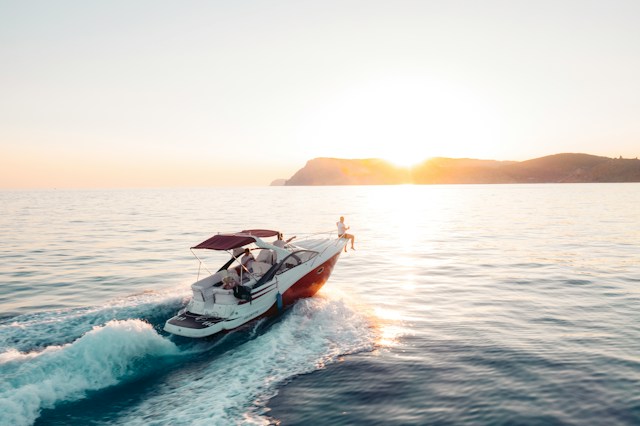
Buying a boat is a major purchase, and most buyers do not pay cash. Whether you want a modest fishing boat or a cabin cruiser, a boat loan can spread the cost over many years. But boat financing has its own rules, lenders, and pitfalls. This guide walks you through how to get a boat loan, what rates to expect, and how to make sure your dream on the water does not become a financial headache.
How Boat Loans Work
A boat loan is an installment loan, much like an auto loan. You borrow a lump sum, the lender places a lien on the boat, and you repay in fixed monthly payments over a set term. Because boats hold value differently than cars and are considered luxury purchases, lenders often apply stricter credit standards and require larger down payments.
Terms are typically longer than car loans. It is common to see 10, 15, or even 20-year terms on larger vessels, which keeps monthly payments manageable but increases the total interest paid.
Types of Boat Financing
Marine Lenders and Specialty Finance Companies
Specialty marine lenders work exclusively with boat buyers. They understand hull identification numbers, marine surveys, and documentation requirements. They often offer the longest terms and finance the widest range of vessels, including older and larger boats.
Banks and Credit Unions
Many banks and credit unions offer boat loans, often at competitive rates for members with strong credit. Terms may be shorter, and some institutions limit the age or size of the boat they will finance.
Dealer Financing
Boat dealers can arrange financing through partner lenders. It is convenient, but convenience can cost you. Always compare the dealer’s offer against outside pre-approvals before signing.
Personal Loans
For smaller boats, an unsecured personal loan avoids liens and marine survey requirements. Rates are higher, but the process is faster and the boat’s age does not matter.
Boat Loan Rates and Terms in 2026
Boat loan rates for well-qualified borrowers generally range from about 7% to 11% APR. Borrowers with fair credit may see rates in the mid-teens or higher. Several factors influence your rate:
- Your credit score and overall credit history
- The age, type, and price of the boat
- Your down payment amount
- The loan term you choose
- Whether the boat is new or used
Most lenders require a down payment of 10% to 20%. Loan amounts typically start around $5,000 and can exceed $1 million for yachts. Used boats, especially those more than 10 to 15 years old, may face shorter terms or higher rates because lenders view them as harder to resell.
Credit Score and Income Requirements
Most marine lenders look for a credit score of 680 or higher, and the best rates usually go to borrowers above 740. Lenders also review your debt-to-income ratio. As a general rule, your total monthly debt payments, including the new boat loan, should stay below roughly 40% to 45% of your gross monthly income.
You will need to show proof of income with pay stubs or tax returns. Self-employed buyers may be asked for two years of returns. Lenders may also ask about your boating experience and where the boat will be stored.
Step-by-Step: How to Get a Boat Loan
- Check your credit and resolve any errors or past-due accounts.
- Decide how much boat you can truly afford, including insurance, fuel, slip fees, and maintenance.
- Save a down payment of at least 10% to 20%.
- Research boats and get a realistic purchase price using the resources at Discover Boating.
- Get pre-approved with two or three lenders, including at least one marine specialist.
- Arrange a marine survey for used boats, which most lenders require for larger vessels.
- Compare final offers on APR, term, fees, and prepayment penalties.
- Close the loan, register the boat, and secure insurance before launch.
Hidden Costs of Boat Ownership
The loan payment is only part of the picture. Budget for insurance, which is often required by lenders, as well as storage or marina fees, winterization, trailer costs, routine maintenance, and fuel. Many owners find that annual operating costs run 10% or more of the boat’s value. If you have financed a motorhome before, the budgeting process is similar to what we cover in our guide to RV loans and financing a travel trailer.
Mistakes to Avoid
Do not stretch the term to 20 years on a boat that will lose value quickly. You could owe more than the boat is worth for most of the loan. Avoid financing add-ons like electronics and extended warranties into the loan unless you have compared costs. Finally, never skip the marine survey on a used boat. A hidden hull or engine problem can turn a bargain into a disaster.
Frequently Asked Questions
Can I get a boat loan with bad credit?
Some lenders work with scores in the low 600s, but expect a higher rate and a larger down payment. Improving your credit first often saves thousands.
Are boat loan interest payments tax deductible?
In some cases, a boat with sleeping, cooking, and toilet facilities can qualify as a second home for mortgage interest purposes. Consult a tax professional to confirm your situation.
How long does boat loan approval take?
Pre-approval can take a day or two. Full funding usually takes one to two weeks, depending on the survey and documentation.
Final Thoughts
Getting a boat loan is straightforward when you prepare. Know your credit, save a solid down payment, compare marine specialists with your bank, and budget for the real cost of ownership. With the right financing, you can enjoy the water without sinking your finances.
