
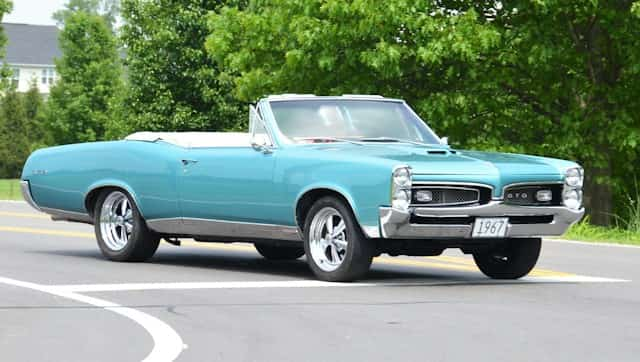
Owning a classic car is a dream for many enthusiasts, but writing a check for the full price is not realistic for most buyers. The good news is that financing a classic car is easier today than it was a decade ago. Specialty lenders, credit unions, and even some banks now offer loans built for collector vehicles. This guide explains how classic car financing works, what lenders look for, and how to get the best rate on your dream machine.
Why Classic Car Financing Is Different
A standard auto loan is designed for a new or late-model used vehicle with a predictable value. Classic cars do not fit that mold. A 1967 Mustang or a 1985 Porsche 911 may be worth more next year than it is today, and its condition, originality, and history matter far more than its mileage.
Because of this, many mainstream lenders simply decline to finance vehicles older than ten or fifteen years. The ones that do often cap the loan amount or charge higher rates. Specialty classic car lenders fill that gap by using appraisals and collector market guides instead of standard depreciation tables.
Your Main Classic Car Financing Options
Specialty Collector Car Lenders
Lenders that focus on collector vehicles understand the market, accept older cars, and often offer longer terms, sometimes up to 10 or 12 years. Longer terms lower the monthly payment, which is why they are popular with buyers of six-figure cars. Keep in mind that a longer term always means more total interest paid over the life of the loan.
Credit Unions and Community Banks
Many credit unions will finance a classic car if it is in good running condition and you have strong credit. Rates are often competitive, and you may already have a relationship with the institution. Expect shorter terms, usually five to seven years, and stricter age limits on the vehicle itself.
Unsecured Personal Loans
A personal loan is not tied to the car, so the lender does not care about the vehicle’s age or condition. Approval depends entirely on your credit and income. Rates run higher than secured loans, and amounts are usually capped around $50,000 to $100,000, but you get full flexibility and no lien on the title.
Home Equity Loans or HELOCs
If you own a home with equity, a home equity loan can offer some of the lowest rates available. The trade-off is serious: your house becomes the collateral. This option makes sense only if you are confident in your ability to repay on schedule.
What Lenders Look For
Classic car lenders evaluate two things: you and the car.
On your side, they want a credit score in the good to excellent range, typically 680 or higher for the best rates. They also check your debt-to-income ratio, employment history, and existing auto loans. Many specialty lenders prefer borrowers who already own a daily driver, since a classic is usually a second vehicle.
On the car side, lenders look at the make, model, year, condition, and documented history. Most require a professional appraisal for higher-value vehicles and a clean title. Some will not finance project cars or vehicles that are not road legal. Before you apply, read our guide to classic car insurance and agreed value coverage, because most lenders require this type of policy before they release funds.
Typical Rates and Terms in 2026
Rates for classic car loans generally fall between 6% and 12% APR for well-qualified buyers, with specialty lenders sometimes pricing a bit higher in exchange for longer terms. Down payments of 10% to 20% are common. Loan amounts range from around $10,000 at the low end to well over $1 million for rare collector cars.
Compare the total cost of borrowing, not just the monthly payment. A $60,000 loan over 12 years can cost tens of thousands more in interest than the same loan repaid over 6 years.
Step-by-Step: How to Finance a Classic Car
- Check your credit report and fix any errors before applying.
- Set a realistic budget that includes insurance, storage, and maintenance.
- Research the vehicle’s market value using recent auction results on CLASSIC.COM, which tracks sale prices for collector cars.
- Get pre-qualified with at least two lenders, including one specialty lender.
- Arrange a pre-purchase inspection and, if required, a formal appraisal.
- Compare offers on APR, term, fees, and prepayment penalties.
- Secure agreed value insurance before closing.
- Finalize the loan and transfer the title into your name.
Mistakes to Avoid
Do not skip the inspection. Hidden rust or a non-original engine can cut a car’s value dramatically and leave you upside down on the loan. Avoid stretching the term just to afford a car beyond your means. Finally, never finance a classic through a dealer without comparing outside offers, because dealer-arranged loans often carry a hidden rate markup.
Frequently Asked Questions
Can I finance a classic car with bad credit?
It is difficult but not impossible. Expect a larger down payment and a higher rate. Improving your score for a few months before applying will save you real money.
How old does a car have to be to qualify?
Most specialty lenders consider vehicles 20 to 25 years or older as classics, though many also finance newer exotic and limited-production collector cars.
Can I refinance a classic car loan?
Yes. If rates fall or your credit improves, refinancing with a specialty lender can lower your payment or shorten your term.
Final Thoughts
Financing a classic car takes a little more homework than buying a daily driver, but the right loan can put a dream vehicle in your garage without draining your savings. Compare specialty lenders with your local credit union, insist on an inspection, and keep the term as short as you can comfortably afford.
