
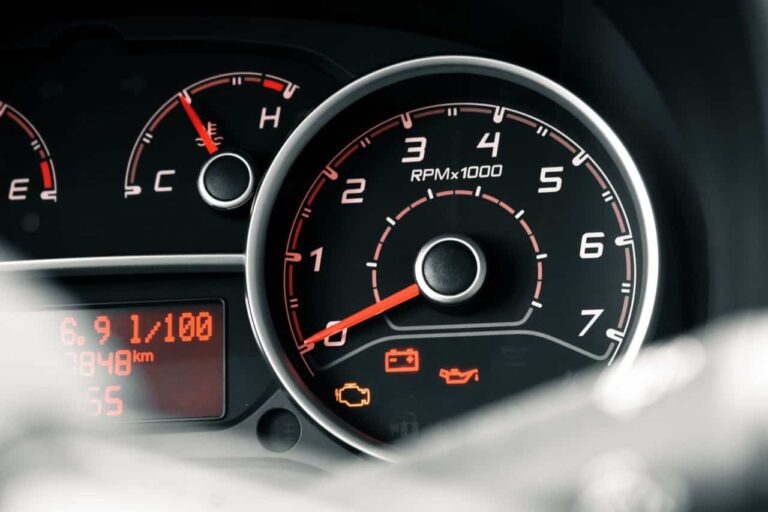
The throttle position sensor (TPS) is a vital component of your vehicle’s engine management system. It monitors the position of the throttle valve and sends this information to the engine control unit (ECU), allowing the engine to adjust fuel delivery, ignition timing, and transmission shifting. A properly functioning throttle position sensor helps ensure smooth acceleration, efficient fuel consumption, and reliable engine performance. When the sensor begins to fail, it can cause a variety of drivability problems, including poor acceleration, rough idling, and increased fuel consumption.
Recognizing the warning signs of a failing throttle position sensor can help you avoid more serious engine issues and costly repairs.
What Is a Throttle Position Sensor?
The throttle position sensor is mounted on the throttle body and measures how far the throttle plate opens when you press the accelerator pedal.
As the throttle opens and closes, the sensor continuously sends voltage signals to the ECU. The ECU uses this information to calculate the proper amount of fuel and adjust engine timing for changing driving conditions.
Modern vehicles rely heavily on accurate TPS readings to maintain optimal engine performance, emissions, and fuel efficiency.
Signs of a Bad Throttle Position Sensor
Several symptoms may indicate that your throttle position sensor is failing.
Check Engine Light
One of the first warning signs is an illuminated Check Engine Light.
When the ECU detects incorrect throttle position readings, it stores diagnostic trouble codes and activates the warning light. A diagnostic scan can confirm whether the TPS is responsible.
Poor Acceleration
A faulty throttle position sensor may send inaccurate signals that prevent the engine from responding correctly when you press the accelerator.
You may experience:
- Slow acceleration
- Hesitation
- Reduced engine power
- Delayed throttle response
These symptoms often become more noticeable during highway driving or when passing other vehicles.
Rough or Unstable Idle
Incorrect throttle position information can cause the engine to idle roughly or fluctuate between high and low RPM.
In some cases, the engine may stall while idling at traffic lights or stop signs.
Sudden Engine Surging
A failing TPS can cause the engine speed to increase unexpectedly without additional pressure on the accelerator pedal.
Engine surging often occurs because the ECU receives inconsistent throttle position data.
Poor Fuel Economy
When the throttle position sensor fails, the engine may inject more fuel than necessary.
An incorrect air-fuel mixture reduces fuel efficiency and increases fuel costs over time.
Difficulty Shifting Gears
In many automatic transmission vehicles, the ECU uses throttle position information to determine proper shift timing.
A faulty TPS may cause:
- Delayed shifting
- Harsh gear changes
- Improper transmission operation
Transmission performance often improves once the faulty sensor is replaced.
Also Read: Comprehensive Pet Insurance
Common Causes of Throttle Position Sensor Failure
Several factors can contribute to TPS failure.
Common causes include:
- Normal wear over time
- Internal electrical failure
- Dirt or carbon buildup
- Moisture intrusion
- Damaged wiring
- Loose electrical connectors
- Excessive engine heat
- Corrosion
Routine engine maintenance helps reduce the likelihood of sensor-related problems.
Throttle Position Sensor Replacement Cost
The cost of replacing a throttle position sensor depends on your vehicle’s make and model.
Average costs in 2026 include:
- Throttle position sensor: $50–$250
- Labor: $50–$150
- Total replacement cost: $100–$400
Luxury vehicles and certain electronic throttle systems may have higher replacement costs due to integrated throttle body assemblies.
Can You Drive with a Bad Throttle Position Sensor?
Although your vehicle may continue running with a faulty throttle position sensor, driving for an extended period is not recommended.
A defective TPS can cause:
- Unexpected stalling
- Poor acceleration
- Reduced engine performance
- Increased fuel consumption
- Unsafe driving conditions
Prompt diagnosis and replacement help prevent additional engine or transmission problems.
How Throttle Position Sensor Replacement Is Performed
Replacing a throttle position sensor is generally a straightforward repair.
The replacement process typically includes:
- Turn off the engine and disconnect the battery.
- Locate the throttle position sensor on the throttle body.
- Disconnect the electrical connector.
- Remove the mounting screws.
- Install the new sensor.
- Reconnect the electrical connector.
- Reconnect the battery.
- Clear diagnostic trouble codes if necessary.
- Test the engine to verify proper operation.
Some vehicles may require throttle position relearning or calibration after installation.
Can a Throttle Position Sensor Be Cleaned?
Unlike some other engine sensors, a throttle position sensor usually cannot be repaired by cleaning.
If dirt or carbon buildup affects the throttle body itself, cleaning the throttle body may improve performance, but a worn or internally damaged TPS generally requires replacement.
Replacing the sensor is usually the most reliable solution when diagnostic testing confirms failure.
How Long Does Throttle Position Sensor Replacement Take?
Most professional technicians complete throttle position sensor replacement in approximately 30 to 60 minutes.
However, vehicles with integrated electronic throttle bodies may require additional programming or calibration, increasing labor time.
How to Prevent Throttle Position Sensor Problems
Proper maintenance helps extend the life of the throttle position sensor.
Helpful maintenance tips include:
- Clean the throttle body periodically.
- Replace the engine air filter regularly.
- Inspect electrical connectors for corrosion.
- Repair damaged wiring promptly.
- Address Check Engine Light warnings immediately.
- Keep moisture away from engine electrical components.
Routine inspections help identify small issues before they develop into expensive repairs.
Frequently Asked Questions
How long does a throttle position sensor last?
Most throttle position sensors last between 80,000 and 150,000 miles, depending on driving conditions and vehicle maintenance.
Will a bad TPS cause poor fuel economy?
Yes. Incorrect throttle position readings can disrupt the air-fuel mixture, causing excessive fuel consumption.
Does replacing a throttle position sensor improve performance?
Yes. Replacing a faulty TPS often restores smooth acceleration, stable idle, proper transmission shifting, and improved fuel efficiency.
Conclusion
The throttle position sensor plays a crucial role in maintaining proper engine performance, fuel efficiency, and transmission operation. Common symptoms of a failing TPS include poor acceleration, rough idle, engine surging, difficulty shifting gears, reduced fuel economy, and an illuminated Check Engine Light. Replacement costs typically range from $100 to $400, making early repair far less expensive than ignoring the problem. Regular maintenance, prompt diagnosis, and timely replacement of a faulty throttle position sensor can help keep your vehicle running smoothly, improve driving performance, and prevent more serious engine or transmission issues.
