
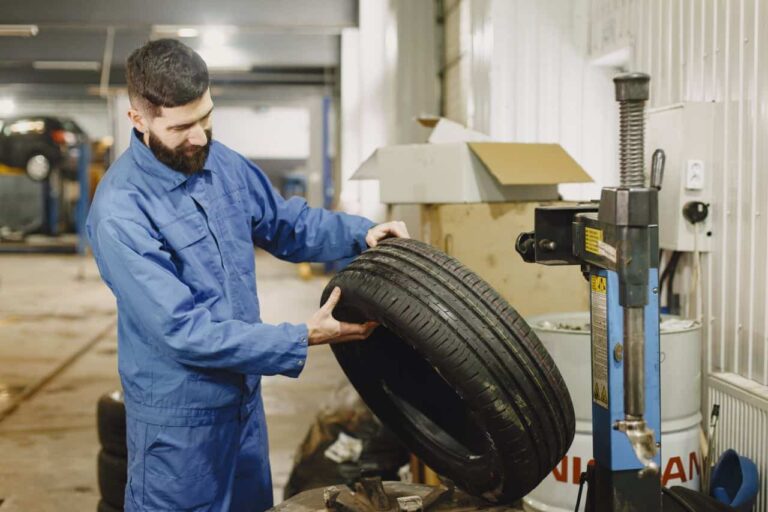
A damaged tire can be frustrating, especially if it’s relatively new. One of the most common questions drivers ask is, “Can you repair a tire sidewall?” The short answer is no in most cases. While punctures in the tread area can often be repaired safely, sidewall damage is a different story. Because the sidewall plays a critical role in supporting the tire and maintaining its structural integrity, repairing it is generally considered unsafe.
Understanding why tire sidewall damage cannot usually be repaired can help you make safer decisions and avoid costly mistakes. This guide explains how tire sidewalls work, the types of damage they can sustain, why repairs are not recommended, replacement costs, and how to prevent sidewall damage.
What Is a Tire Sidewall?
The tire sidewall is the section of the tire located between the tread and the wheel rim. Unlike the tread, which contacts the road, the sidewall is designed to flex continuously while supporting the vehicle’s weight.
The sidewall contains important information such as:
- Tire size
- Load rating
- Speed rating
- Maximum inflation pressure
- Manufacturer details
- Tire construction information
More importantly, the sidewall contains layers of reinforced rubber and fabric cords that provide strength while allowing flexibility.
Why Is Sidewall Damage So Serious?
Unlike the tread area, the sidewall constantly bends and flexes every time the tire rotates. This repeated movement places significant stress on the tire’s internal structure.
When the sidewall is punctured or cut:
- Internal cords may be damaged.
- Structural strength is reduced.
- Air pressure may weaken the surrounding material.
- The risk of a blowout increases.
Even a small hole can compromise the tire’s safety.
Can You Repair a Tire Sidewall?
In nearly every case, no. Tire manufacturers and safety organizations generally recommend replacing any tire with sidewall damage rather than attempting a repair.
Professional tire shops usually refuse to repair:
- Sidewall punctures
- Sidewall cuts
- Sidewall tears
- Bulges
- Bubbles
- Cracks exposing internal cords
Repairing these types of damage cannot restore the tire’s original structural integrity.
Why Aren’t Sidewall Repairs Safe?
Several reasons make sidewall repairs unsafe.
Constant Flexing
Unlike the tread area, the sidewall flexes thousands of times during every trip. A repair patch or plug cannot reliably withstand this repeated movement.
Internal Cord Damage
The steel belts are located beneath the tread, but the sidewall relies heavily on fabric reinforcement cords. Once these cords are damaged, they cannot be restored through repair.
Increased Blowout Risk
A weakened sidewall is more likely to fail at highway speeds, increasing the risk of a sudden tire blowout that could lead to loss of vehicle control.
Industry Safety Standards
Organizations such as the U.S. Tire Manufacturers Association (USTMA) and the Tire Industry Association (TIA) advise that punctures in the sidewall should not be repaired because they cannot be restored to safe operating condition.
Also Read: Best Accident Insurance Companies
What Types of Tire Damage Can Be Repaired?
Not every tire needs replacement. Many tread-area punctures can be repaired safely if they meet certain conditions.
A tire is generally repairable when:
- The puncture is in the center tread area.
- The hole is usually no larger than about 1/4 inch (6 mm).
- The tire has not been driven while flat.
- There is no internal structural damage.
- The puncture is not located on the shoulder or sidewall.
Professional repair typically involves a combination patch-and-plug installed from the inside of the tire.
Common Causes of Sidewall Damage
Several everyday situations can damage a tire sidewall.
Hitting Curbs
Parking too close to curbs can scrape or cut the sidewall.
Potholes
Deep potholes can pinch the tire between the wheel and the road, causing sidewall bulges or internal cord damage.
Road Debris
Sharp metal, glass, nails, and other debris can puncture or cut the sidewall.
Underinflated Tires
Driving with low tire pressure increases sidewall flexing, leading to excessive heat buildup and premature failure.
Overloading the Vehicle
Exceeding your vehicle’s weight capacity places additional stress on the tire sidewalls.
Signs Your Tire Needs Replacement
Replace the tire immediately if you notice:
- Sidewall punctures
- Deep cuts
- Bulges or bubbles
- Exposed cords
- Large cracks
- Continuous air loss
- Severe impact damage
Even if the tire still holds air, these conditions indicate that its structural integrity has been compromised.
How Much Does Tire Replacement Cost?
The cost of replacing a damaged tire depends on its size, brand, and type.
Typical price ranges include:
| Tire Type | Estimated Cost |
| Economy passenger tire | $80–$150 |
| Mid-range tire | $150–$250 |
| Premium tire | $250–$400 |
| SUV or truck tire | $180–$450 |
| Performance tire | $250–$600+ |
Additional costs may include:
- Mounting and balancing
- Valve stem replacement
- Tire disposal fee
- Wheel alignment if needed
Replacing a damaged tire is far less expensive than dealing with the consequences of a tire failure on the road.
How to Prevent Tire Sidewall Damage
Proper maintenance and careful driving can significantly reduce the risk of sidewall damage.
Maintain Proper Tire Pressure
Check tire pressure at least once a month and before long trips. Proper inflation helps reduce excessive sidewall stress.
Avoid Potholes
Slow down and avoid large potholes whenever it is safe to do so.
Stay Clear of Curbs
Be cautious when parking and making tight turns to prevent scraping the sidewall against curbs.
Inspect Tires Regularly
Look for cuts, cracks, bulges, embedded objects, or uneven wear. Early detection can help prevent more serious problems.
Don’t Overload Your Vehicle
Follow the manufacturer’s recommended load limits to avoid placing excessive strain on the tires.
Rotate Tires as Recommended
Regular tire rotations promote even wear and help extend the life of all four tires.
Is It Ever Safe to Use a Temporary Sidewall Repair?
Some emergency tire repair kits claim to seal punctures, but these products are intended only to help you reach a repair facility in certain situations. They are not permanent fixes for sidewall damage, and many manufacturers advise against using sealants for sidewall punctures. If the sidewall has been damaged, the safest solution is to replace the tire as soon as possible.
Final Thoughts
So, can you repair a tire sidewall? In almost all cases, the answer is no. Because the sidewall supports the tire’s structure and flexes continuously while driving, even minor punctures or cuts can weaken it and increase the risk of a dangerous blowout. Industry safety standards recommend replacing tires with sidewall damage rather than attempting a repair.
If you notice a cut, bulge, crack, or puncture in the sidewall, have the tire inspected by a qualified technician immediately. While replacing a tire may seem costly, it is a worthwhile investment in your safety. Regular tire inspections, proper inflation, and careful driving can help prevent sidewall damage and keep your vehicle performing safely on every journey.
