
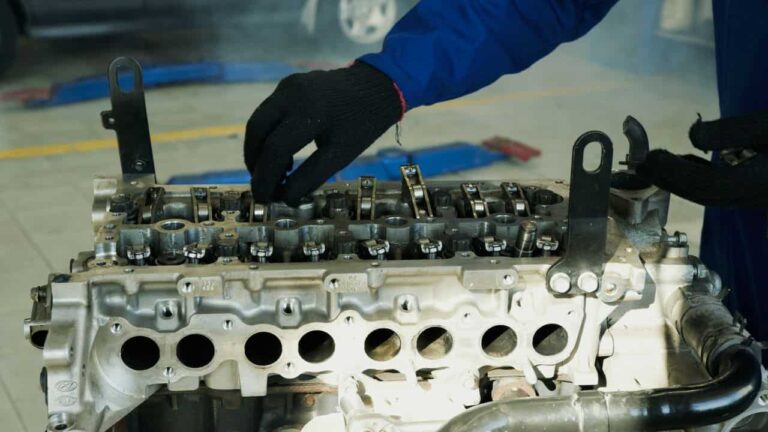
The head gasket is one of the most critical components in your vehicle’s engine. It forms a seal between the engine block and the cylinder head, preventing coolant, engine oil, and combustion gases from mixing. When a head gasket fails, it can lead to severe engine problems, including overheating, loss of power, coolant leaks, and even complete engine failure. Understanding the warning signs and knowing when head gasket replacement is necessary can help you avoid expensive repairs and extend the life of your vehicle.
Although replacing a head gasket is one of the more labor-intensive automotive repairs, addressing the problem early can prevent much greater damage to the engine.
What Is a Head Gasket?
A head gasket is a high-strength seal installed between the engine block and cylinder head. Its primary job is to maintain compression inside the combustion chambers while keeping engine oil and coolant flowing through their separate passages.
Because the head gasket is constantly exposed to high temperatures and pressure, it must withstand extreme operating conditions throughout the life of the engine.
When the gasket fails, these sealed systems begin to leak, causing serious mechanical issues.
Signs You Need a Head Gasket Replacement
Recognizing the symptoms of a blown head gasket can help prevent further engine damage.
Engine Overheating
One of the most common signs is repeated engine overheating. A damaged head gasket allows coolant to escape or combustion gases to enter the cooling system, reducing its ability to regulate engine temperature.
Continued overheating can warp the cylinder head and increase repair costs.
White Smoke from the Exhaust
Thick white smoke coming from the exhaust often indicates coolant leaking into the combustion chamber.
As coolant burns with the air-fuel mixture, it produces dense white exhaust that continues even after the engine has warmed up.
Milky Engine Oil
If coolant mixes with engine oil due to a failed head gasket, the oil may appear milky or creamy.
This contaminated oil loses its lubricating ability and can quickly damage engine bearings and other internal components.
Coolant Loss Without Visible Leaks
A vehicle that continually loses coolant without any obvious external leaks may have a blown head gasket.
The coolant may be leaking internally into the engine cylinders instead of dripping onto the ground.
Poor Engine Performance
A leaking head gasket can reduce engine compression, resulting in:
- Rough idle
- Engine misfires
- Reduced power
- Poor acceleration
- Lower fuel efficiency
These symptoms often become more noticeable as the gasket damage worsens.
Bubbles in the Radiator or Coolant Reservoir
Combustion gases entering the cooling system may create continuous bubbles inside the radiator or coolant reservoir while the engine is running.
This is often a strong indicator of head gasket failure.
Common Causes of Head Gasket Failure
Several factors can contribute to head gasket damage.
Common causes include:
- Engine overheating
- Cooling system failure
- Low coolant levels
- Poor engine maintenance
- High engine mileage
- Faulty thermostat
- Water pump failure
- Excessive engine pressure
Preventing overheating is one of the best ways to extend head gasket life.
Also Read: No Minimum Balance Saving Account
Head Gasket Replacement Cost
Head gasket replacement is one of the most expensive engine repairs because of the labor involved.
Average costs in 2026 include:
- Head gasket kit: $100–$500
- Cylinder head machining (if needed): $200–$600
- Labor: $1,000–$2,500
- Total replacement cost: $1,300–$3,500
Luxury vehicles, performance engines, and large trucks often cost more due to increased labor time and specialized components.
Can You Drive with a Blown Head Gasket?
Driving with a blown head gasket is not recommended.
Continuing to operate the vehicle can lead to:
- Severe engine overheating
- Warped cylinder heads
- Damaged pistons
- Bearing failure
- Complete engine replacement
If you suspect a blown head gasket, stop driving the vehicle and have it inspected as soon as possible.
How Head Gasket Replacement Is Performed
Replacing a head gasket requires significant engine disassembly.
The general repair process includes:
- Disconnect the battery.
- Drain engine oil and coolant.
- Remove intake and exhaust components.
- Remove the cylinder head.
- Inspect the engine block and cylinder head.
- Machine the cylinder head if necessary.
- Install the new head gasket.
- Reassemble the engine.
- Refill fluids.
- Test the engine for leaks and proper operation.
Proper torque specifications must be followed when reinstalling the cylinder head to ensure a reliable seal.
How Long Does Head Gasket Replacement Take?
Most professional repair shops require between eight and fifteen hours of labor to replace a head gasket.
The exact repair time depends on engine design, accessibility, and whether additional engine damage is discovered during inspection.
Can a Head Gasket Be Repaired Instead of Replaced?
A damaged head gasket generally cannot be repaired and must be replaced.
While some chemical sealants claim to temporarily stop leaks, they are usually considered short-term solutions and may not work for severe failures.
Complete replacement is the most reliable method for restoring engine performance.
How to Prevent Head Gasket Failure
Proper maintenance significantly reduces the risk of head gasket damage.
Helpful maintenance tips include:
- Monitor engine temperature regularly.
- Check coolant levels frequently.
- Replace coolant according to the manufacturer’s schedule.
- Repair cooling system leaks immediately.
- Replace faulty thermostats and water pumps promptly.
- Avoid driving an overheating vehicle.
Keeping the cooling system in excellent condition is the best defense against head gasket failure.
Frequently Asked Questions
How long does a head gasket last?
Many head gaskets last well over 150,000 miles when the engine is properly maintained and overheating is avoided.
Is replacing a head gasket worth it?
If the engine is otherwise in good condition, replacing the head gasket is often more cost-effective than replacing the entire engine or purchasing another vehicle.
What happens if a blown head gasket is ignored?
Ignoring a blown head gasket can lead to catastrophic engine damage, including warped cylinder heads, seized engines, and complete engine failure.
Conclusion
Head gasket replacement is a major repair that restores the engine’s ability to maintain proper compression while keeping coolant, oil, and combustion gases separated. Common warning signs include engine overheating, white exhaust smoke, coolant loss, milky engine oil, poor performance, and bubbling in the cooling system. Although replacement costs typically range from $1,300 to $3,500, repairing the problem early can prevent far more expensive engine damage. Regular cooling system maintenance, prompt attention to overheating, and routine inspections are the best ways to extend the life of your head gasket and keep your vehicle running reliably.
