Your tires are the only parts of your vehicle that constantly touch the road, making proper tire maintenance essential for safety, handling, fuel economy, and vehicle performance. Even high-quality tires can wear prematurely or fail if they aren’t inspected and maintained correctly.
Following a simple tire maintenance checklist can help you identify problems before they become expensive or dangerous. From checking tire pressure to inspecting tread depth and rotating your tires, regular maintenance can significantly extend tire life.
Here’s a practical tire maintenance checklist every driver should follow.
1. Check Tire Pressure Regularly
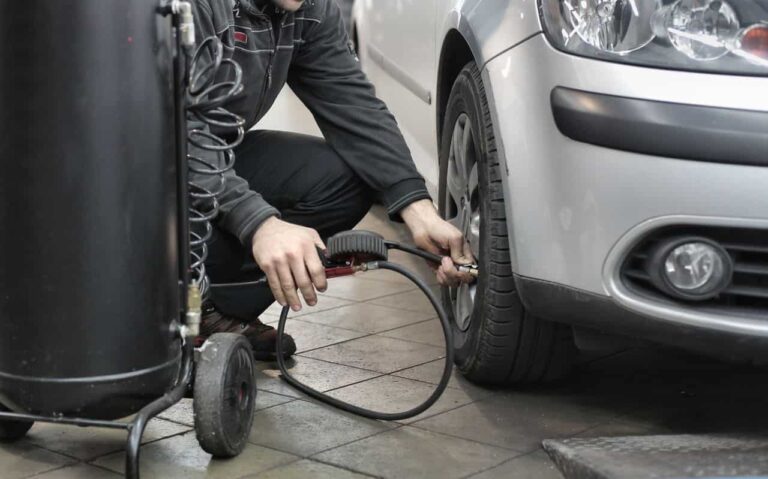
Proper tire pressure is one of the most important parts of tire maintenance. Underinflated tires can increase rolling resistance, reduce fuel economy, cause uneven wear, and create excessive heat. Overinflated tires can reduce traction and make tires more vulnerable to impact damage.
Check your tire pressure at least once a month and before long road trips. It’s best to check the pressure when the tires are cold.
Use the recommended pressure listed on your vehicle’s driver’s door-jamb label or owner’s manual. Don’t rely on the maximum pressure printed on the tire sidewall.
2. Inspect Tread Depth
Tire tread provides the traction your vehicle needs to accelerate, corner, and stop safely. As tires wear down, their ability to maintain traction, particularly on wet roads, decreases.
Check tread depth regularly using a tread depth gauge. You can also inspect the built-in tread wear indicators in the tire grooves.
If the tread has worn down to the indicators, the tire has reached its wear limit and should be replaced. Don’t wait until the tread becomes completely smooth.
3. Look for Visible Tire Damage
A visual inspection can reveal problems that may otherwise go unnoticed.
Look for:
- Cuts
- Cracks
- Bulges
- Punctures
- Exposed cords
- Embedded nails or screws
- Missing pieces of rubber
- Uneven tread wear
Pay particular attention to the sidewalls. A significant sidewall cut or bulge can indicate internal structural damage and generally requires tire replacement.
Also Read: Common Cases of Flat Tires
4. Check for Slow Leaks
If you frequently have to add air to the same tire, don’t simply keep inflating it. Repeated pressure loss usually indicates an underlying problem.
Possible causes include:
- Punctures
- Damaged valve stems
- Bead leaks
- Wheel damage
- Tire cracks
Have a tire professional inspect any tire that repeatedly loses pressure. Driving on an underinflated tire can cause internal damage and increase the risk of failure.
5. Rotate Your Tires
Regular tire rotation promotes more even tread wear and can extend tire life.
The recommended rotation interval varies by vehicle and tire type, so follow the schedule in your owner’s manual or tire manufacturer’s recommendations.
Tire rotation can be particularly important for vehicles where the front and rear tires experience different loads or steering forces.
During a rotation, have the technician inspect the tires for uneven wear, damage, and other problems.
6. Check Wheel Alignment
Incorrect wheel alignment can cause tires to wear unevenly and reduce handling performance.
Common signs of an alignment problem include:
- Vehicle pulling to one side
- Uneven tread wear
- Crooked steering wheel
- Steering instability
- Rapid tire wear
If you notice these symptoms, have your alignment checked. Correcting alignment problems early can help prevent premature tire replacement.
7. Monitor Wheel Balance
Unbalanced wheels can cause vibrations at certain speeds and contribute to uneven tire wear.
If you feel vibration through the steering wheel, seats, or floor, have the tires and wheels inspected.
Wheel balancing may resolve the problem, but persistent vibration can also indicate a bent wheel, damaged tire, suspension issue, or internal tire defect.
8. Inspect the Valve Stems
Valve stems are small but important components that help maintain tire pressure. Over time, they can become cracked, damaged, or corroded.
During tire inspections, check for signs of deterioration and air leakage around the valve stem.
If you’re installing new tires, ask whether the valve stems should also be replaced. Some vehicles equipped with TPMS sensors require specialized valve components.
9. Check Your Spare Tire
Don’t forget about the spare tire. A spare that has been sitting unused for years may be underinflated or deteriorated.
Check:
- Air pressure
- Tread condition
- Sidewall condition
- Manufacturing age
- Jack and lug wrench condition
Make sure you know where the spare tire and necessary tools are located before an emergency occurs.
If your vehicle uses a temporary spare, remember that it is generally designed for limited use and lower speeds. Follow the instructions printed on the spare or in the owner’s manual.
10. Pay Attention to Warning Signs
Your vehicle can provide clues when something is wrong with the tires.
Watch for:
- TPMS warning light
- Steering vibration
- Unusual tire noise
- Vehicle pulling to one side
- Poor wet-weather traction
- Reduced fuel economy
- Repeated loss of tire pressure
Don’t ignore these symptoms. Early inspection can prevent a minor problem from becoming a major safety issue.
11. Check Tire Age
Tires can deteriorate with age even when they have plenty of tread remaining. Exposure to sunlight, heat, oxygen, and environmental conditions can cause rubber compounds to become brittle.
Find the tire’s DOT identification number on the sidewall. The final four digits indicate the week and year of manufacture.
For example, a code ending in 2523 means the tire was manufactured during the 25th week of 2023.
Because tire-aging recommendations vary, follow the tire manufacturer’s guidance and have older tires professionally inspected.
12. Maintain Proper Vehicle Loading
Overloading your vehicle places additional stress on the tires and can increase heat buildup.
Check your vehicle’s recommended maximum load and never exceed the tire’s load rating. Pay special attention when carrying passengers, luggage, tools, or towing a trailer.
Proper loading improves handling and helps prevent excessive tire wear.
Monthly Tire Maintenance Checklist
For an easy routine, check these items at least once a month:
- Check tire pressure.
- Inspect tread depth.
- Look for cuts and cracks.
- Check for bulges or bubbles.
- Look for nails and other objects.
- Inspect valve stems.
- Check for uneven wear.
- Inspect the spare tire.
- Check the TPMS warning light.
- Look for signs of slow air loss.
Before a long road trip, perform a more thorough inspection and make sure your tires are properly inflated.
How to Extend Tire Life
Good driving habits can make a major difference in tire longevity. Avoid sudden acceleration, hard braking, excessive cornering, potholes, and curbs whenever possible.
Keep your tires properly inflated, rotate them according to the recommended schedule, and address alignment or suspension problems promptly.
Regular maintenance doesn’t just make tires last longer. It can also improve fuel efficiency, handling, braking performance, and overall driving safety.
Final Thoughts
Following a tire maintenance checklist is one of the simplest ways to protect yourself, your passengers, and your vehicle. Regularly checking tire pressure, tread depth, tire age, alignment, wheel balance, and visible damage can help prevent unexpected flats and premature tire replacement.
Don’t wait until a tire goes flat or the TPMS warning light appears before checking your tires. Make tire inspections part of your regular vehicle maintenance routine, and have any unusual damage or handling problems inspected by a qualified tire professional. A few minutes of preventive care can help keep your tires reliable and your vehicle safer on the road.
