
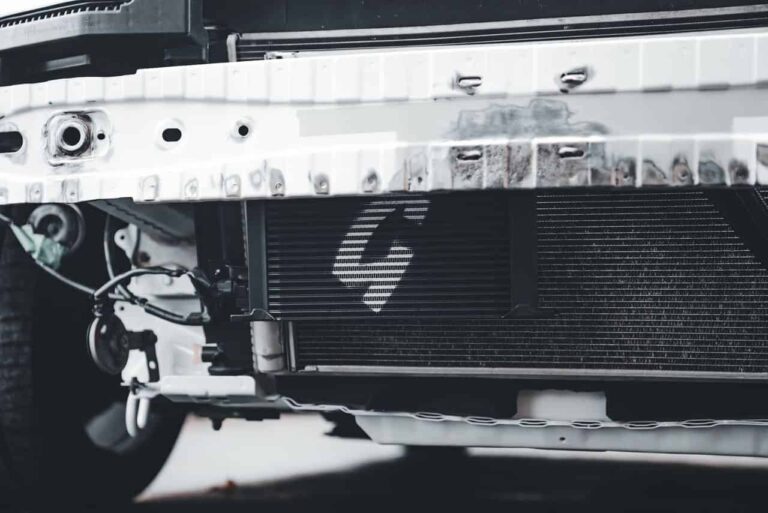
Your vehicle’s radiator plays a vital role in keeping the engine cool and preventing overheating. It works by circulating coolant through the engine and dissipating excess heat before it can cause serious damage. When the radiator begins to fail, your car’s cooling system becomes less effective, putting the engine at risk of overheating and costly repairs.
Recognizing the signs of a bad radiator early can help you avoid breakdowns and expensive engine damage. In this guide, we’ll cover the most common symptoms of a failing radiator, what causes radiator problems, and why timely repairs are essential.
Engine Overheating
One of the most obvious signs of a bad radiator is frequent engine overheating. If your temperature gauge consistently rises above normal or the engine overheats while driving, the radiator may not be cooling the coolant effectively.
A clogged, leaking, or damaged radiator restricts coolant flow, making it difficult to regulate engine temperature. Ignoring repeated overheating can result in a blown head gasket, warped cylinder head, or complete engine failure.
Coolant Leaks
A leaking radiator is another common indication of damage. Radiators can develop cracks due to age, corrosion, or physical impact. Damaged hoses, loose clamps, or worn seals may also cause coolant to escape.
If you notice green, orange, pink, or yellow fluid pooling beneath your vehicle, inspect the radiator and cooling system immediately. Low coolant levels reduce cooling efficiency and increase the likelihood of overheating.
Low Coolant Levels
If you’re constantly adding coolant even though there are no visible leaks, your radiator may have an internal leak or pressure issue. Coolant can slowly escape through tiny cracks that become larger over time.
Regularly checking coolant levels helps identify problems before they become severe. A consistently low coolant reservoir should never be ignored, as it often signals an underlying cooling system problem.
Rust or Corrosion on the Radiator
Rust and corrosion are common causes of radiator failure, especially in older vehicles or those that haven’t received regular coolant changes. Moisture and contaminants inside the cooling system gradually break down the radiator’s metal surfaces.
Visible rust around the radiator, filler neck, or cooling fins indicates deterioration that can eventually lead to leaks and restricted coolant flow. Replacing old coolant according to the manufacturer’s maintenance schedule helps reduce corrosion.
Sludge or Discolored Coolant
Healthy coolant is typically bright and clean. If the coolant appears rusty, brown, thick, or contaminated, it may indicate internal corrosion or debris buildup inside the radiator.
Sludge restricts coolant circulation, reducing the radiator’s ability to remove heat from the engine. A cooling system flush may solve minor contamination, but severe buildup often requires radiator replacement.
Also Read: Steering Pump Replacement – Guide
Steam Coming from the Engine
Steam rising from under the hood is a serious warning sign that your engine is overheating. This usually occurs when coolant escapes from a damaged radiator or when the cooling system can no longer control engine temperature.
If you notice steam while driving, pull over safely, turn off the engine, and allow it to cool completely before opening the hood. Never remove the radiator cap while the engine is hot, as pressurized coolant can cause severe burns.
Damaged Radiator Fins
The thin metal fins on the radiator help transfer heat away from the coolant. Dirt, road debris, insects, and physical damage can bend or block these fins, reducing airflow through the radiator.
When airflow decreases, the radiator becomes less effective at cooling the engine, particularly during hot weather or heavy traffic. Cleaning the radiator and straightening minor fin damage can sometimes improve performance.
Heater Not Working Properly
A faulty radiator can also affect your vehicle’s cabin heater. Since the heating system relies on hot coolant from the engine, poor coolant circulation caused by radiator issues may result in weak or inconsistent heat.
Although heater problems can stem from several causes, a malfunctioning radiator should be considered if accompanied by overheating or coolant loss.
Sweet Smell Around the Vehicle
Coolant has a distinct sweet odor. If you notice this smell inside or outside your vehicle, it may indicate a coolant leak from the radiator or another component in the cooling system.
Addressing coolant leaks promptly helps prevent overheating while protecting the environment and avoiding unnecessary repairs.
What Causes Radiator Failure?
Several factors contribute to radiator problems over time, including:
- Corrosion from old or contaminated coolant
- Physical damage from road debris or accidents
- Clogged cooling passages
- Worn hoses and seals
- Lack of regular cooling system maintenance
- Internal pressure buildup
Routine inspections and scheduled coolant replacements significantly extend radiator life.
How to Prevent Radiator Problems
Preventive maintenance is the best way to avoid radiator failure. Check coolant levels regularly, inspect for leaks, replace coolant according to your vehicle manufacturer’s recommendations, and keep the radiator clean from dirt and debris.
If your vehicle frequently overheats or displays warning signs, have the cooling system inspected by a qualified technician before minor issues become major engine repairs.
Conclusion
Understanding the signs of a bad radiator can save you from expensive engine damage and unexpected roadside breakdowns. Symptoms such as engine overheating, coolant leaks, rust, contaminated coolant, steam, and low coolant levels should never be ignored.
Routine maintenance and early diagnosis help keep your cooling system functioning efficiently while extending your engine’s lifespan. If you notice any of these warning signs, scheduling a professional inspection as soon as possible is the safest and most cost-effective solution.
