
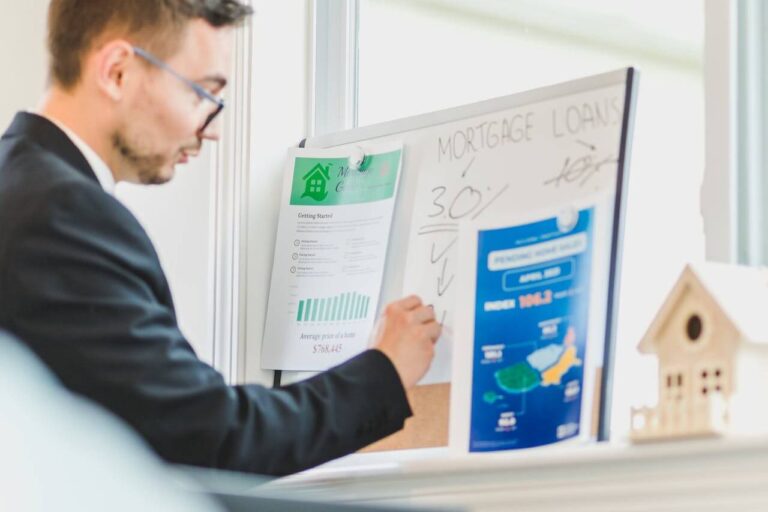
A reverse mortgage allows homeowners aged 62 or older to convert part of their home equity into cash without selling the property. These loans are commonly used by retirees looking to supplement retirement income, cover medical expenses, or reduce financial pressure. In this guide, we discuss about reverse mortgage Pros and Cons
While reverse mortgages can provide financial flexibility, they also come with risks and costs that borrowers should understand before applying.
What Is a Reverse Mortgage?
A reverse mortgage is a loan that lets eligible homeowners borrow against their home equity. Instead of making monthly mortgage payments, the lender pays the homeowner through:
- Lump sum payments
- Monthly payments
- A line of credit
The loan balance increases over time and is typically repaid when the homeowner sells the house, moves out permanently, or passes away.
Pros of a Reverse Mortgage
No Monthly Mortgage Payments
One of the biggest advantages is eliminating monthly mortgage payments, helping retirees improve cash flow.
Access to Tax-Free Cash
Reverse mortgage proceeds are generally considered loan funds rather than taxable income.
Stay in Your Home
Borrowers can continue living in their home while receiving funds from the loan.
Flexible Payment Options
Many reverse mortgages offer multiple payout choices, including monthly income or credit lines.
Helpful for Retirement Income
Reverse mortgages may help cover healthcare costs, living expenses, or unexpected financial emergencies during retirement.
Cons of a Reverse Mortgage
High Fees and Closing Costs
Reverse mortgages often include origination fees, insurance premiums, and servicing costs that can be expensive.
Reduces Home Equity
The loan balance grows over time, leaving less equity for heirs or future home sales.
Risk of Foreclosure
Borrowers must still pay:
- Property taxes
- Homeowners insurance
- Home maintenance costs
Failure to meet these obligations may lead to foreclosure.
May Affect Inheritance
Because the loan is repaid from home equity, heirs may receive less inheritance.
Complex Loan Terms
Reverse mortgages can be difficult to fully understand, especially for first-time borrowers.
Who Qualifies for a Reverse Mortgage?
Basic eligibility requirements usually include:
- Age 62 or older
- Primary residence ownership
- Sufficient home equity
- Ability to maintain taxes and insurance payments
Most reverse mortgages in the United States are federally insured Home Equity Conversion Mortgages (HECMs).
Also Read: Best High Yield Saving Accounts
Is a Reverse Mortgage Worth It?
A reverse mortgage may be beneficial for retirees with significant home equity who need additional income and plan to remain in their home long term.
However, it may not be ideal for homeowners wanting to preserve home equity for heirs or those planning to move within a few years.
Tips Before Getting a Reverse Mortgage
Compare Lenders
Interest rates, fees, and terms can vary significantly between lenders.
Understand Total Costs
Review all fees and long-term repayment obligations carefully.
Speak With a Financial Advisor
Professional guidance can help determine whether a reverse mortgage fits your retirement strategy.
Consider Alternatives
Alternatives may include:
- Home equity loans
- Downsizing
- Refinancing
- Retirement savings withdrawals
Final Thoughts
Understanding reverse mortgage pros and cons is essential before making a decision. These loans can provide valuable financial support for retirees, but they also reduce home equity and involve important financial responsibilities.
Carefully review the costs, risks, and long-term impact before choosing a reverse mortgage as part of your retirement plan.
