
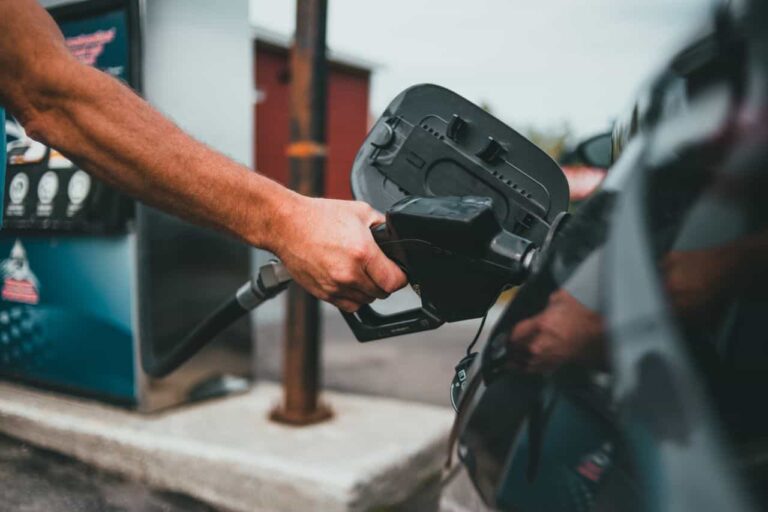
Gasoline is a major recurring expense for commuters, families, delivery drivers, and people who frequently travel by car. Using a credit card that offers rewards on gas purchases can help you earn cash back, points, or other benefits on expenses you already have.
The best credit cards for gas are not necessarily the cards with the highest advertised rewards rate. Annual fees, spending limits, eligible gas stations, reward categories, introductory offers, and other benefits can significantly affect the value of a card.
Before applying, compare the card’s complete terms and consider how much you normally spend on fuel each month.
What Are Gas Rewards Credit Cards?
Gas rewards credit cards provide additional rewards when you make qualifying fuel purchases. Depending on the card, rewards may be provided as cash back, points, or miles.
Some cards offer a fixed rewards rate at eligible gas stations, while others provide bonus rewards in rotating categories. Certain cards may also be connected to particular fuel brands or loyalty programs.
For drivers who spend hundreds of dollars on gasoline every month, earning rewards on these purchases can add up over time.
Cash-Back Credit Cards for Gas
Cash-back cards are among the simplest options for earning rewards on fuel purchases. Instead of collecting points that must be redeemed through a specific program, you typically receive cash-back rewards that can be redeemed according to the issuer’s terms.
A card might offer a higher cash-back rate on gas while providing a lower rate on other purchases. Another card may offer a flat rewards rate on most eligible purchases.
If you want straightforward rewards, compare the actual cash-back rate with any spending limits or fees.
Gas Cards With No Annual Fee
A no-annual-fee credit card can be appealing if you want to earn gas rewards without paying a recurring membership charge.
These cards can work particularly well for drivers who spend a moderate amount on fuel. However, the absence of an annual fee does not automatically make a card the best option.
Compare gas rewards, other spending categories, foreign transaction fees, introductory offers, and redemption rules before making a decision.
Gas Credit Cards With Annual Fees
Some rewards cards charge an annual fee but provide higher rewards rates or additional benefits. Whether the fee makes sense depends on your overall spending.
For example, a driver with substantial fuel expenses may earn enough additional rewards to offset an annual fee. Another consumer who rarely drives may receive more value from a no-annual-fee card.
To compare the options, estimate your annual gas spending, calculate the rewards you would earn, and subtract the annual fee.
Gas Spending Limits
One important factor when comparing gas credit cards is the rewards spending limit.
Some cards offer an elevated rewards rate only up to a specific amount of qualifying purchases during a quarter or year. Once you reach the limit, additional purchases may earn the card’s standard rate.
For example, someone who spends $300 per month on gas may have different needs from a long-distance driver who spends $800 or more each month.
Always check the current rewards terms to determine whether your normal fuel spending falls within the bonus category.
What Counts as a Gas Purchase?
Not every purchase made at a gas station necessarily receives the gas bonus.
Fuel purchases made directly at qualifying gas stations will generally be the primary transactions covered by gas rewards. However, purchases made inside the convenience store, car wash services, food purchases, or other transactions may be categorized differently.
The merchant category code used for a transaction can determine whether it qualifies for a particular rewards category.
This is why it is important to review the card’s terms rather than assuming every transaction at a fuel station will receive the same rewards rate.
Also Read: Engine Performance Upgrades – Ultimate Guide
Gas Stations vs. Warehouse Clubs
Where you purchase fuel can also affect your rewards. Some drivers buy gasoline at traditional fuel stations, while others purchase fuel at warehouse clubs.
A card’s bonus category may treat these merchants differently. If you frequently purchase gas at warehouse clubs, check whether those transactions qualify for the advertised gas rewards rate.
This can be especially important for families and drivers who choose fuel stations based on lower prices.
Gas Rewards and Fuel Loyalty Programs
Some consumers combine credit card rewards with fuel-station loyalty programs. Depending on the programs involved, you may be able to earn credit card rewards while also receiving benefits through a participating fuel loyalty program.
However, terms vary between programs. Check whether your credit card rewards are calculated on the full purchase amount and whether the fuel loyalty program provides separate discounts or points.
Using both programs can be convenient when the terms align with your normal driving and purchasing habits.
Introductory Bonuses
Many rewards credit cards offer welcome bonuses to eligible new cardholders after they meet certain spending requirements during a specified period.
A welcome bonus can add substantial value to a credit card, but it should not encourage unnecessary spending.
If the required spending can be reached naturally through normal expenses such as fuel, groceries, bills, and other purchases, the offer may be easier to manage.
Always check eligibility requirements and the deadline for completing qualifying purchases.
APR and Interest Charges
Gas rewards are only valuable if the cost of using the card does not outweigh the benefits.
Credit card APRs can be high, particularly when you carry a balance from month to month. If you spend $500 on gas and carry that balance while paying interest, the interest expense can exceed the rewards you earned.
For this reason, consider paying the statement balance in full each month whenever possible. If you expect to carry a balance, pay close attention to the card’s regular APR.
Other Features to Compare
Gas rewards should not be the only factor in your decision.
Consider whether the card offers rewards on groceries, dining, travel, or other purchases you make frequently. Also review the annual fee, foreign transaction fees, balance transfer terms, redemption options, and customer-service features.
For people who travel frequently, a card with no foreign transaction fee may be more useful than a card that offers slightly higher gas rewards but charges additional fees on international purchases.
How to Choose the Right Gas Credit Card
Start by determining your average monthly fuel spending. Multiply that amount by 12 to estimate your annual gasoline expenses.
Next, identify where you normally buy fuel. If you regularly use a particular fuel brand, warehouse club, or independent station, make sure the transactions qualify for the card’s rewards program.
Then compare the rewards rate, spending caps, annual fee, welcome offer, APR, and additional benefits.
Finally, consider how you plan to redeem your rewards. A simple cash-back program may be preferable if you want straightforward savings, while points or miles may appeal to consumers who want travel-related rewards.
Final Thoughts
The best credit cards for gas depend on your driving habits, fuel expenses, preferred gas stations, and broader financial goals. A high gas rewards rate can be useful, but spending limits, annual fees, merchant categories, and interest charges can change the overall value.
Before applying, compare several cards and read their current terms carefully. Choose a card that matches your normal fuel spending and use it responsibly.
When you pay your balance on time and avoid unnecessary interest charges, a gas rewards credit card can help turn a routine expense into cash back, points, or other valuable rewards.
