
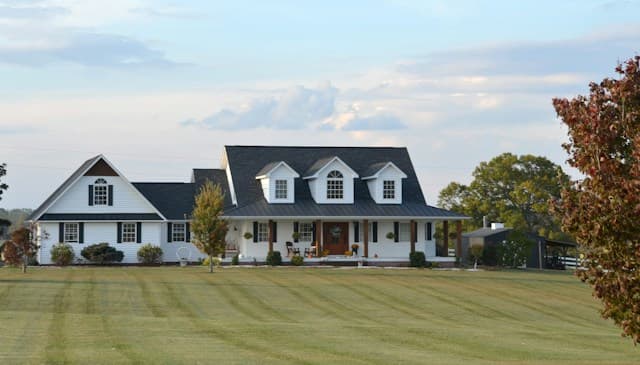
Buying a home without a down payment sounds too good to be true, but for millions of Americans it is a real option. The USDA home loan, backed by the U.S. Department of Agriculture, lets qualified buyers finance 100% of the purchase price. If you are wondering how to qualify for a USDA loan, this guide walks you through every requirement, the real costs involved, and the exact steps to get approved.
What Is a USDA Loan?
A USDA loan is a mortgage guaranteed by USDA Rural Development through its Single Family Housing Guaranteed Loan Program. Private lenders such as banks, credit unions, and mortgage companies issue the loan, while the USDA guarantees a large portion of it. That guarantee lowers the lender’s risk, which is why these loans can offer zero down payment and competitive interest rates.
USDA Loan Requirements: The Five Key Tests
To qualify, you need to pass five main tests. Lenders check each one before sending your file to the USDA for final approval.
1. The Property Must Be in an Eligible Area
“Rural” is broader than most people think. Many small towns and suburbs outside major metro areas still qualify. The home must also be your primary residence, so vacation homes and rental properties are not allowed. You can check any address on the official USDA Income and Property Eligibility Site before you start house hunting.
2. Your Household Income Must Fall Within the Limit
For guaranteed loans, total household income generally cannot exceed 115% of the area median income. USDA updated its income limits on July 13, 2026, and in many lower-cost counties the limit is about $122,800 for households of one to four people and roughly $162,100 for households of five to eight. High-cost areas have higher limits.
One detail catches many buyers off guard: USDA counts the income of every adult living in the home, even if they are not on the loan. However, you can subtract allowable deductions, such as childcare costs and an allowance for each dependent, which can bring you under the limit.
3. You Need Acceptable Credit
The USDA does not set an official minimum credit score, but most lenders want at least 640. A score of 640 or higher also allows your file to move through the USDA’s automated underwriting system (GUS), which speeds up approval. Below 640, some lenders will still consider you through manual underwriting, but expect a closer look at your payment history.
4. Your Debt-to-Income Ratio Must Be Manageable
Lenders typically look for a housing payment ratio of about 29% of gross monthly income and a total debt ratio of about 41%. Strong compensating factors, such as a high credit score or cash reserves, can sometimes push these limits higher.
5. You Need Stable, Dependable Income
Lenders usually want a two-year history of steady income. Self-employed buyers will need two years of tax returns.
USDA Loan Costs: What You Will Actually Pay
USDA loans do not charge private mortgage insurance. Instead, they use two guarantee fees. For fiscal year 2027, which runs from October 1, 2026 to September 30, 2027, the fees are:
- Upfront guarantee fee: 1% of the loan amount, which can be rolled into the loan.
- Annual fee: 0.35% of the average unpaid principal balance, paid in monthly installments.
On a $250,000 loan, that means a $2,500 upfront fee and an annual fee of roughly $875 in the first year, or about $73 a month. Unlike FHA mortgage insurance, the annual fee is noticeably lower, though it lasts for the life of the loan unless you refinance.
You will still have closing costs, usually 2% to 5% of the purchase price. The good news is that sellers can contribute toward them, and if the home appraises above the price, some of those costs may be financed.
Step-by-Step: How to Get a USDA Loan
- Check property and income eligibility. Use the USDA eligibility tool to confirm both your target area and your household income.
- Review your credit report. Pull your reports, dispute any errors, and pay down credit card balances to lift your score toward 640 or higher.
- Find a USDA-approved lender. Not every lender offers USDA loans. Compare rates and fees from at least three approved lenders.
- Get pre-approved. Submit pay stubs, W-2s, tax returns, and bank statements. A pre-approval letter shows sellers you are a serious buyer.
- Shop for an eligible home. Work with an agent who understands USDA eligibility maps.
- Complete the appraisal and underwriting. The home must meet USDA safety and livability standards.
- Wait for the USDA conditional commitment. The USDA gives final approval, which can take a few days to a few weeks.
- Close on your home. Sign your documents and get your keys.
USDA vs. FHA: Which Is Better?
If you qualify for both, compare them side by side. USDA loans require no down payment and carry lower ongoing fees, but they come with location and income limits. FHA loans allow scores as low as 580 with 3.5% down and work anywhere in the country. To see how the two programs stack up, read our guide on FHA loan requirements.
Frequently Asked Questions
Is there a maximum USDA loan amount?
The guaranteed program has no fixed loan limit. Your borrowing power is set by your income, debts, and the income limit for your area.
Can first-time buyers apply?
Yes, and you do not have to be a first-time buyer. Repeat buyers can qualify as long as they meet the same requirements.
Final Thoughts
Learning how to qualify for a USDA loan can open the door to homeownership years earlier than saving for a traditional down payment. Confirm your property and income eligibility first, strengthen your credit, and compare several approved lenders. With the right preparation, a zero-down USDA mortgage could be the most affordable path to owning your own home.
