
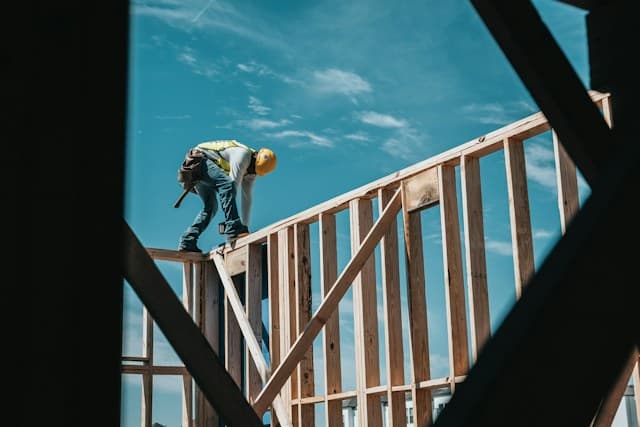
Building a home from the ground up lets you choose the layout, finishes, and location you want. Paying for it, however, works differently than buying an existing house. Instead of a standard mortgage, you will need a construction loan, a short-term loan that funds the build in stages. This guide explains how these loans work, how to qualify, and the steps to get from an empty lot to a finished home.
How a Construction Loan Works
A construction loan covers the cost of land (if you don’t already own it), materials, labor, permits, and other building expenses. Unlike a mortgage, the lender does not hand over the full amount at closing. Funds are released in a series of payments called draws, usually tied to milestones such as the foundation, framing, roofing, and final finishes. An inspector typically verifies each stage before the next draw is approved.
During construction, most loans are interest-only, and you pay interest only on the amount drawn so far. Terms usually run 12 to 18 months. Because there is no finished house securing the loan at the start, lenders view construction loans as riskier, which is why rates tend to be higher than on a conventional mortgage.
Types of Construction Loans
Construction-to-Permanent Loan
Also called a single-close or one-time-close loan, this option converts into a regular mortgage once the home is finished. You go through one application and one closing, which saves on closing costs and can protect you from rising rates if you lock in at the start.
Stand-Alone Construction Loan
This short-term loan must be paid off when construction ends, usually by taking out a separate mortgage. It requires two closings and two sets of fees, but it can make sense if you expect rates to fall or plan to sell your current home to cover part of the cost.
Owner-Builder Loan
If you plan to act as your own general contractor, some lenders offer owner-builder financing. These loans are harder to find and typically require proof of construction experience or a contractor’s license.
Government-Backed Options
FHA, VA, and USDA programs offer one-time-close construction loans with lower down payment requirements for eligible borrowers. Not every lender participates, so you may need to shop around.
Construction Loan Requirements
Because lenders take on more risk, they usually set stricter standards than they do for a standard home purchase:
- Credit score: Many lenders look for a score of 680 or higher for conventional construction financing, though government-backed programs may accept lower scores.
- Down payment: Expect to put down 20% to 25% on a conventional construction loan. If you already own the land, its equity can often count toward the down payment.
- Debt-to-income ratio: Most lenders prefer a ratio of 43% or lower. If you’re unsure where you stand, learn how to calculate your debt-to-income ratio before you apply.
- Cash reserves: Some lenders want to see several months of payments in savings to cover delays or cost overruns.
- Detailed building plans: You’ll need blueprints, a materials list, a construction timeline, and a signed contract with a licensed builder.
Step-by-Step: How to Get a Construction Loan
1. Set Your Budget
Add up land, construction, permits, utility hookups, landscaping, and a contingency fund of 10% to 20% for unexpected costs. Overruns are common, and the lender won’t automatically increase the loan if you run short.
2. Choose a Licensed, Experienced Builder
Lenders vet your builder almost as carefully as they vet you. Look for a contractor with proper licensing, insurance, a solid track record, and references from recent clients. Many lenders keep a list of builders they have already approved.
3. Finalize Plans and Specifications
The lender will order an appraisal based on the home’s projected value once completed, so your plans need to be specific. Vague specifications can lead to a lower appraisal and a smaller loan.
4. Compare Lenders
Not all mortgage lenders offer construction financing. Check local banks, credit unions, and specialty lenders, then compare rates, draw schedules, inspection fees, and how each one handles the conversion to a permanent mortgage.
5. Apply and Close
Submit your financial documents, builder contract, and plans. After underwriting and the appraisal, you close on the loan and the first draw is released so work can begin.
6. Manage Draws and Inspections
Stay in close contact with your builder and lender throughout construction. Review each draw request and inspection report to make sure work is complete before money is released.
Tips to Avoid Common Pitfalls
- Get a fixed-price contract when possible to limit surprise costs.
- Ask about rate locks, especially on construction-to-permanent loans.
- Budget for temporary housing in case the build runs longer than planned.
- Keep copies of every invoice, lien waiver, and change order.
The Consumer Financial Protection Bureau’s home buying resources are a useful, unbiased place to review loan estimates and closing disclosures before you sign anything.
Frequently Asked Questions
Can I use land I already own as a down payment?
Often, yes. Many lenders let you apply the equity in land you own outright toward the required down payment.
Are construction loan rates higher than mortgage rates?
Usually. Construction loans tend to carry higher rates because the lender is financing a property that doesn’t exist yet.
What happens if construction goes over budget?
You’ll typically need to cover the difference out of pocket, which is why a contingency fund is essential.
Final Thoughts
A construction loan makes building a custom home possible, but it requires more planning than a standard mortgage. Strengthen your credit, save a solid down payment, choose a reputable builder, and compare several lenders before committing. With the right preparation, you can keep your project on schedule and on budget.
