
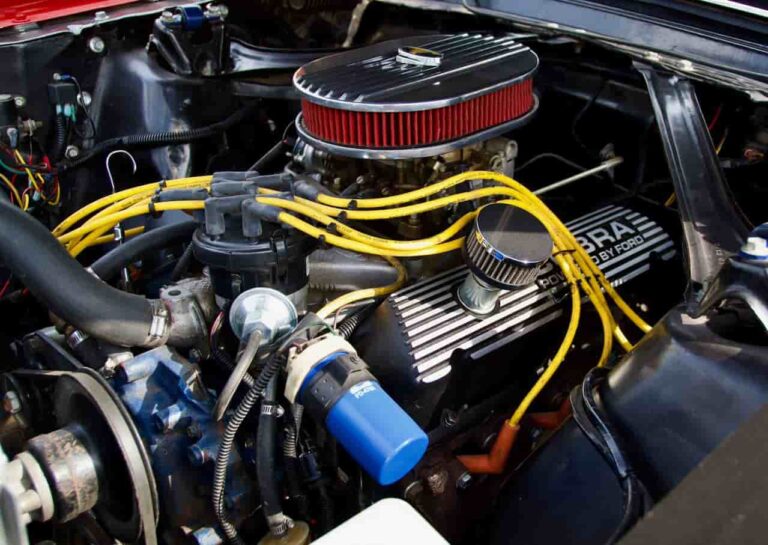
Fuel injectors are responsible for delivering the precise amount of fuel into your engine’s combustion chambers. Over time, carbon deposits, dirt, and fuel residue can build up inside the injectors, restricting fuel flow and reducing engine efficiency. Fuel injector cleaning helps remove these deposits, restoring proper fuel delivery, improving engine performance, and increasing fuel economy. Regular injector maintenance can also reduce emissions and extend the life of your fuel system.
Whether you drive a gasoline or diesel vehicle, understanding when fuel injector cleaning is necessary can help you avoid expensive repairs and keep your engine operating at peak performance.
What Is Fuel Injector Cleaning?
Fuel injector cleaning is the process of removing carbon deposits, varnish, and other contaminants from fuel injectors. Clean injectors produce a fine, even spray pattern that allows the engine to burn fuel efficiently.
When injectors become clogged or dirty, they may deliver too little fuel, too much fuel, or an uneven spray. This can negatively affect engine performance, fuel efficiency, and emissions.
Fuel injector cleaning restores proper injector operation without replacing the injectors if they are still mechanically and electrically sound.
Signs You Need Fuel Injector Cleaning
Several symptoms may indicate that your fuel injectors are dirty.
Poor Fuel Economy
Dirty injectors often disrupt the air-fuel mixture, causing the engine to consume more fuel than necessary.
If you notice frequent trips to the gas station without changes in driving habits, clogged injectors could be one of the causes.
Rough Idle
Restricted fuel flow can cause the engine to idle unevenly.
You may notice vibrations, fluctuating RPM, or an engine that feels unstable while stopped.
Engine Misfires
When one or more injectors fail to deliver enough fuel, combustion becomes inconsistent.
Common symptoms include:
- Engine shaking
- Loss of power
- Hesitation during acceleration
- Check Engine Light
Misfires should be addressed promptly to avoid catalytic converter damage.
Slow Acceleration
Dirty injectors may prevent the engine from receiving enough fuel during acceleration.
This often results in sluggish performance and delayed throttle response.
Hard Starting
Fuel injectors that are partially clogged can make the engine difficult to start, especially after the vehicle has been sitting for several hours.
Increased Exhaust Emissions
Poor fuel atomization caused by dirty injectors may increase harmful exhaust emissions and reduce overall engine efficiency.
Also Read: Throttle Position Sensor
Common Causes of Dirty Fuel Injectors
Several factors contribute to fuel injector contamination.
Common causes include:
- Low-quality fuel
- Carbon deposits
- Fuel additives leaving residue
- Driving short distances frequently
- High engine mileage
- Contaminated fuel
- Infrequent maintenance
- Old fuel filters
Over time, these contaminants accumulate inside the injector nozzles and affect fuel delivery.
Benefits of Fuel Injector Cleaning
Cleaning your fuel injectors provides several important advantages.
Improved Engine Performance
Clean injectors deliver the proper amount of fuel, helping restore smooth engine operation and better acceleration.
Better Fuel Economy
Efficient fuel atomization allows the engine to burn fuel more completely, reducing fuel consumption.
Reduced Emissions
Proper combustion decreases harmful exhaust emissions and helps the vehicle meet emissions standards.
Smoother Idle
Removing injector deposits often eliminates rough idling and improves overall engine stability.
Easier Starting
Clean injectors provide better fuel delivery during startup, reducing hard starting and extended cranking.
Longer Fuel System Life
Regular cleaning helps reduce stress on other fuel system components, including the fuel pump and catalytic converter.
Fuel Injector Cleaning Methods
Several cleaning methods are commonly used.
Fuel Additives
Fuel injector cleaners added directly to the fuel tank can help remove light deposits over time.
These products are inexpensive and suitable for preventive maintenance but may not eliminate severe clogging.
Professional On-Car Cleaning
Repair shops use specialized equipment to circulate powerful cleaning solutions through the fuel injection system while the engine is running.
This method removes more stubborn deposits than fuel additives.
Off-Car Ultrasonic Cleaning
If injectors are heavily clogged, technicians may remove them from the engine and clean them using ultrasonic equipment.
The injectors are also flow-tested to verify proper operation before reinstallation.
This is one of the most effective cleaning methods available.
Fuel Injector Cleaning Cost
The cost of cleaning fuel injectors depends on the cleaning method and vehicle type.
Average costs in 2026 include:
- Fuel system cleaner: $10–$30
- Professional on-car cleaning: $80–$200
- Ultrasonic injector cleaning: $200–$500
If an injector is mechanically damaged or leaking, replacement may be necessary instead of cleaning.
How Often Should Fuel Injectors Be Cleaned?
Many automotive professionals recommend fuel injector cleaning every 30,000 to 60,000 miles, although the exact interval depends on driving conditions and fuel quality.
Vehicles driven mostly in stop-and-go traffic or using lower-quality fuel may benefit from more frequent cleaning.
Following the manufacturer’s maintenance recommendations is the best approach.
Can You Clean Fuel Injectors Yourself?
Yes, minor injector deposits can often be cleaned using a quality fuel system cleaner added to the gas tank.
However, severe clogging usually requires professional equipment for effective cleaning.
Attempting to disassemble injectors without proper tools may damage delicate internal components.
How to Prevent Fuel Injector Problems
Proper maintenance can reduce injector buildup and extend fuel system life.
Helpful maintenance tips include:
- Use high-quality fuel.
- Replace the fuel filter as recommended.
- Avoid frequently driving with a nearly empty fuel tank.
- Add fuel system cleaner periodically if approved by the manufacturer.
- Perform routine engine maintenance.
- Address engine performance problems promptly.
Consistent maintenance helps keep injectors clean and operating efficiently.
Frequently Asked Questions
Does fuel injector cleaning really work?
Yes. Professional cleaning can significantly improve fuel flow, engine performance, and fuel economy when dirty injectors are causing drivability problems.
Will fuel injector cleaner fix a bad injector?
No. Fuel injector cleaner removes deposits but cannot repair injectors with electrical failures, broken components, or severe leaks.
Is professional injector cleaning worth it?
If your vehicle has rough idle, poor fuel economy, hesitation, or injector-related trouble codes, professional cleaning can often restore performance and delay the need for replacement.
Conclusion
Fuel injector cleaning is an effective maintenance service that restores proper fuel delivery, improves engine performance, and increases fuel efficiency. Dirty injectors can cause rough idle, poor acceleration, engine misfires, increased fuel consumption, and higher emissions. Cleaning methods range from affordable fuel additives to professional ultrasonic cleaning for heavily clogged injectors. Depending on the method used, cleaning typically costs between $10 and $500, making it a cost-effective alternative to replacing injectors that are still in good condition. Regular maintenance, quality fuel, and timely fuel injector cleaning can help keep your engine running smoothly, reduce repair costs, and extend the life of your vehicle’s fuel system.
