
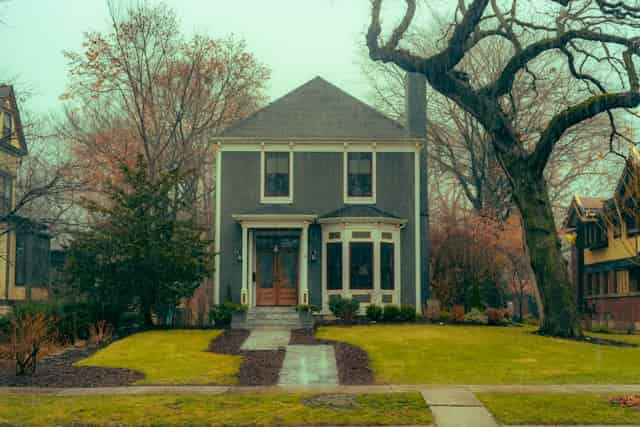
Owning rental property can be a reliable way to build wealth, but it also comes with risks a regular homeowner never faces. Tenants can damage the unit, a fire can stop rent payments for months, and a guest who slips on the stairs can file a lawsuit. Landlord insurance is built specifically for these situations. This guide explains what it covers, how it differs from homeowners insurance, what it costs, and how to choose the right policy for your rental.
What Is Landlord Insurance?
Landlord insurance, sometimes called rental property insurance or a dwelling fire policy, protects property owners who rent homes, condos, or small multi-unit buildings to tenants. It covers the building itself, your liability as an owner, and the rental income you could lose if the property becomes uninhabitable.
Many new landlords assume their homeowners policy will still apply after they move out and rent the house. In most cases it will not. Standard homeowners insurance is written for owner-occupied homes, and an insurer may deny a claim if it discovers the property was rented without the right coverage.
What Does Landlord Insurance Cover?
Dwelling Coverage
This pays to repair or rebuild the structure after covered events such as fire, windstorms, hail, lightning, or burst pipes. It also typically covers attached structures like a garage, plus detached structures such as sheds or fences.
Landlord Liability Coverage
If a tenant or visitor is injured because of a problem with the property, such as a broken step or faulty railing, liability coverage helps pay medical bills, legal defense costs, and settlements.
Loss of Rental Income
Also called fair rental value coverage, this replaces the rent you lose while the property is being repaired after a covered loss. For many landlords, this is the feature that keeps the mortgage paid during a crisis.
Landlord Personal Property
This covers items you own and keep at the rental for tenant use or maintenance, such as appliances, furniture in a furnished unit, or a lawn mower.
What Landlord Insurance Usually Does Not Cover
- Tenant belongings: tenants need their own renters insurance
- Flood damage: requires a separate flood policy
- Earthquakes: usually need a separate policy or endorsement
- Normal wear and tear: aging roofs, worn carpets, and routine maintenance
- Unpaid rent from a non-paying tenant: unless you add rent guarantee coverage
- Intentional damage by you: or losses caused by neglected maintenance
Landlord Insurance vs Homeowners Insurance
The two policies may look similar, but they protect very different situations:
- Occupancy: homeowners insurance is for the house you live in; landlord insurance is for property rented to others.
- Personal belongings: homeowners policies cover your furniture and clothing; landlord policies only cover items you supply for the rental.
- Lost income: landlord policies can replace lost rent, while homeowners policies cover your own temporary living expenses instead.
- Cost: landlord insurance usually costs more, often around 15 to 25 percent above a comparable homeowners policy, because rentals carry higher risk.
How Much Does Landlord Insurance Cost?
Premiums depend on the property’s location, age, construction, size, rebuild cost, claims history, and the coverage limits you choose. A single-family rental in a low-risk area might cost a little more than a typical homeowners policy, while properties in hurricane or wildfire zones can cost significantly more.
Ways to lower your premium include:
- Choosing a higher deductible you can comfortably afford
- Installing smoke detectors, security systems, and deadbolts
- Updating old roofs, plumbing, and electrical systems
- Bundling multiple rental properties with one insurer
- Screening tenants carefully to reduce damage and liability claims
Useful Add-Ons and Endorsements
- Rent guarantee insurance: covers missed rent if a tenant stops paying
- Vandalism and malicious mischief: covers deliberate tenant damage, often excluded on basic policies
- Equipment breakdown: covers HVAC systems, water heaters, and appliances
- Ordinance or law coverage: pays to rebuild to current building codes
- Umbrella liability: extra liability protection above your policy limits
Tips for Choosing the Right Policy
- Insure for replacement cost, not market value, so you can fully rebuild.
- Pick the right policy form. Broader forms such as DP-3 cover more risks than basic DP-1 policies.
- Require renters insurance in every lease to protect tenants and reduce disputes.
- Review liability limits and consider at least $300,000 or more.
- Compare quotes from at least three insurers that specialize in rental properties.
The Insurance Information Institute offers independent, easy-to-read insurance resources that can help you understand policy forms and coverage terms before you buy.
Is Landlord Insurance Tax-Deductible?
Yes. Premiums for a rental property are generally treated as an ordinary business expense and can be deducted from your rental income. Insurance is just one of many write-offs available to property owners. Our guide to rental property tax deductions covers the others, including mortgage interest, repairs, and depreciation.
Common Mistakes Landlords Make
The biggest mistake is keeping a homeowners policy on a rented home. Others include underinsuring the building, skipping loss of rent coverage, and failing to inform the insurer about short-term rentals. Platforms like Airbnb often need special coverage, so always tell your insurer exactly how the property is used. Finally, keep photos and receipts of the property’s condition between tenants, because good records make claims faster and much easier to prove.
Final Thoughts
Landlord insurance protects more than a building. It safeguards your rental income, shields you from lawsuits, and keeps your investment on track when something goes wrong. Choose replacement cost coverage, add the endorsements your property needs, require renters insurance from tenants, and review your policy every year to make sure your rental business stays fully protected.
