
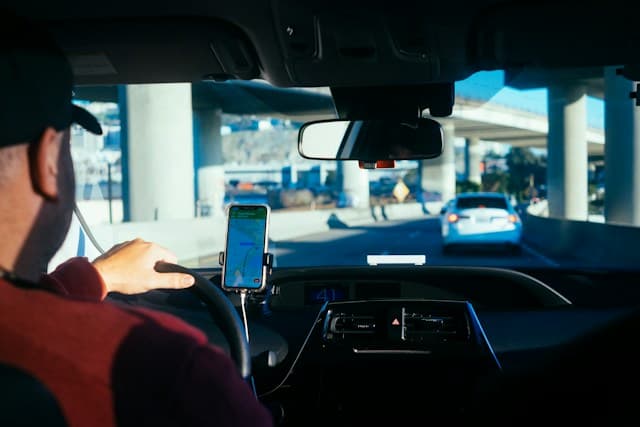
Driving for Uber or Lyft is a flexible way to earn extra income, but it creates an insurance problem many drivers do not notice until after an accident. Most personal auto policies exclude coverage when you use your car for paid driving. The rideshare company provides some protection, but not at every moment you are logged in. Rideshare insurance is designed to fill that gap.
Here is how it works, why it matters, and how to choose the right coverage for your situation.
Why Your Personal Auto Policy Isn’t Enough
Standard personal auto policies are written for personal use: commuting, errands, and road trips. Most contain a “livery” or commercial-use exclusion that removes coverage when you carry passengers or goods for a fee. If you are in an accident while working and your insurer learns about it, it may deny the claim and could even cancel your policy.
Many drivers assume the rideshare company’s insurance covers everything. It doesn’t. The company’s coverage changes depending on what you are doing in the app, which leaves a dangerous window where you may have little or no protection for your own car.
The Three Rideshare Driving Periods
Insurers and regulators divide rideshare driving into periods. Understanding them is the key to understanding your risk.
Period 0: App Off
You are driving for personal reasons and the app is closed. Your personal auto policy applies as usual.
Period 1: App On, Waiting for a Request
This is the biggest gap. You are available for rides but have not accepted one. Your personal policy may exclude coverage because you are working, while the rideshare company typically offers only limited contingent liability coverage. In most cases, there is no collision or comprehensive protection for your own vehicle during this period.
Periods 2 and 3: En Route and Passenger On Board
Once you accept a ride, the company’s commercial policy generally provides much higher liability limits, often around $1 million in many states, plus contingent collision and comprehensive coverage if you carry those on your personal policy. Even then, the company’s deductible can be high, sometimes $1,000 or more.
Many states regulate these minimums for transportation network companies. California’s rules are a good example; the California Department of Insurance publishes information on insurance requirements and consumer protections for TNC drivers.
What Is Rideshare Insurance?
Rideshare insurance is usually sold as an endorsement, or add-on, to your personal auto policy. It extends your personal coverage into the period when the app is on and you are waiting for a request. Depending on the insurer, it may also help pay the company’s high deductible during an active trip.
There are three common options:
- Rideshare endorsement: The most popular and affordable choice. It adds rideshare protection to your existing personal policy.
- Hybrid rideshare policy: A single policy that combines personal and rideshare coverage, offered by some insurers in select states.
- Commercial auto policy: Required in some markets and for full-time drivers who use their vehicle primarily for business. It is more expensive but offers broader protection.
How Much Does Rideshare Insurance Cost?
For most drivers, adding a rideshare endorsement is relatively inexpensive compared with the risk it covers. The exact price depends on your state, vehicle, driving record, coverage limits, and how much you drive. Some insurers price it as a small percentage increase on your existing premium; others charge a flat monthly amount.
Commercial policies cost considerably more, so they generally make sense only for full-time drivers or in cities that require them.
What Happens After an Accident?
Accidents involving rideshare drivers can be complicated because several insurers may be involved: your personal carrier, the rideshare company’s carrier, and the other driver’s carrier. If the at-fault driver has no coverage at all, the situation becomes even more stressful. Our guide on what to do after an accident with an uninsured driver explains the steps to protect yourself.
After any accident while driving for a platform:
- Make sure everyone is safe and call emergency services if needed.
- Take photos of the vehicles, the scene, and any injuries.
- Exchange information with the other driver and collect witness details.
- Report the accident through the rideshare app immediately.
- Notify your personal insurer and tell them honestly that you were driving for a rideshare service.
- Keep records of medical treatment, repair estimates, and lost income.
Being honest with your insurer matters. Hiding rideshare activity can lead to a denied claim and a cancelled policy.
How to Choose the Right Rideshare Insurance
- Ask your current insurer first. Many major carriers offer rideshare endorsements, and staying with them may preserve multi-policy discounts.
- Confirm what the endorsement covers. Check whether it covers Period 1 only or also helps with the company deductible during active rides.
- Check availability in your state. Not every insurer offers rideshare coverage everywhere.
- Look at delivery coverage too. If you also deliver food or packages, make sure the endorsement covers delivery apps, not just passenger rides.
- Keep collision and comprehensive. The rideshare company’s contingent physical damage coverage usually applies only if you carry these coverages on your own policy.
Frequently Asked Questions
Is rideshare insurance legally required?
Requirements vary by state and city. Even where it isn’t mandatory, driving without it can leave you exposed during Period 1 and risk your personal policy.
Does it cover delivery driving?
Some rideshare endorsements also cover food and package delivery, but not all do. Ask your insurer directly.
Will my rates go up if I tell my insurer I drive for Uber?
Your premium may increase slightly, but that cost is small compared with paying for a denied claim or losing your coverage entirely.
Final Thoughts
The rideshare company’s coverage protects you during trips, but it leaves gaps when you are logged in and waiting. A rideshare insurance endorsement is usually an affordable way to close those gaps, protect your car, and keep your personal policy safe. Before your next shift, call your insurer, confirm exactly what you are covered for, and add the protection you need.
