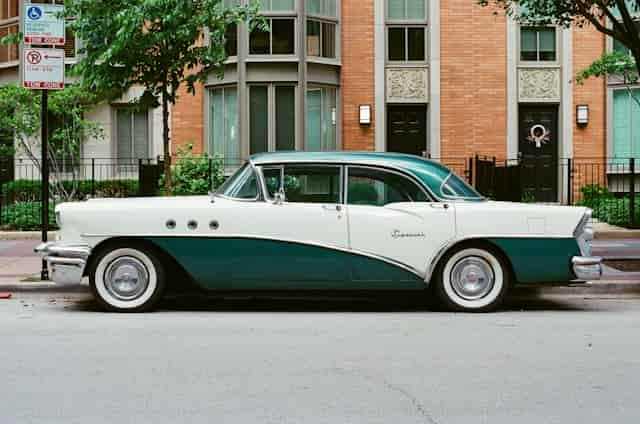
If you own a vintage Mustang, a restored Bel Air, or a garage-kept muscle car, a standard auto policy is probably the wrong fit. Classic car insurance is built for vehicles that hold or gain value over time instead of losing it the moment they leave a dealer lot. The right policy can pay you the full worth of your car after a total loss, often for a lower premium than you pay on your daily driver.
This guide explains how classic car insurance works, who qualifies, what it costs, and the mistakes owners make when they shop for coverage.
What Is Classic Car Insurance?
Classic car insurance is a specialty auto policy for collector, antique, vintage, and certain modified vehicles. It includes the same core protections as a regular policy, such as liability, collision, and comprehensive coverage, but it values and rates the car in a completely different way.
A normal auto policy assumes your car depreciates every year. When it is totaled, the insurer pays its actual cash value, which is the market value minus depreciation. That math works for a five-year-old commuter sedan. It fails badly for a 1967 Camaro that has gone up in value and has thousands of dollars of restoration work in it.
Specialty insurers solve this by settling the car’s value before anything goes wrong. According to the IRMI insurance glossary, classic car coverage generally uses an agreed or stated value approach that reflects condition, rarity, restoration, and market demand.
Agreed Value vs. Stated Value vs. Actual Cash Value
The single most important term in any collector policy is how the car is valued. There are three common methods:
- Agreed value: You and the insurer agree on the car’s worth when the policy starts, usually backed by an appraisal, photos, and receipts. If the car is totaled or stolen, you receive that full amount, minus any deductible. This is the gold standard for collectors.
- Stated value: You state a value, but the insurer can pay the lesser of the stated value or the actual cash value at the time of loss. It sounds similar to agreed value but can leave you short.
- Actual cash value (ACV): The standard method on regular policies. The payout is based on current market value after depreciation, which rarely reflects what a restored classic is truly worth.
When comparing quotes, always confirm in writing that the policy is agreed value.
Does Your Car Qualify?
Every insurer sets its own rules, but most classic car insurance programs look at these factors:
- Vehicle age: Many insurers start at about 20 to 25 years old for “classic” status, with older vehicles classed as antiques. Some also accept newer exotic, limited-production, or modern collectible cars.
- Condition: The car should be in good, maintained, or restored condition. Project cars may qualify under a separate restoration program.
- Limited use: The vehicle cannot be your daily transportation. It is meant for shows, club events, parades, weekend drives, and occasional pleasure use.
- Secure storage: Most policies require a locked, enclosed garage or storage unit. A carport or street parking usually disqualifies the car.
- Driver profile: Insurers typically want a clean driving record, a minimum driver age, and proof that every household driver has a regular-use vehicle for everyday trips.
What Classic Car Insurance Typically Covers
Beyond the usual liability, collision, comprehensive, and uninsured motorist protection, specialty policies often include extras designed for collectors:
- Spare parts coverage for rare components stored in your garage.
- Restoration or “in-progress” coverage that increases the insured value as work is completed.
- Flatbed towing and roadside help so a low or delicate car is not damaged by a wheel-lift tow truck.
- Choice of repair shop, so a specialist familiar with your make can handle the work.
How Much Does Classic Car Insurance Cost?
Collector policies are often surprisingly affordable. Because the cars are driven less, stored securely, and treated carefully by their owners, they produce fewer claims than everyday vehicles. Many owners pay noticeably less to insure a classic than they pay for a modern commuter car.
Your premium depends on several factors:
- The agreed value of the vehicle
- Your annual mileage plan (for example, 1,000, 2,500, 5,000, or flexible miles)
- Where the car is garaged and your ZIP code
- Your driving history and age
- Your deductible and the optional coverages you add
- Membership in a recognized car club, which some insurers reward with a discount
If you are also looking to trim the cost of the policies on your everyday vehicles, our guide on how to lower your car insurance premium walks through the discounts and habits that make the biggest difference.
How to Get the Right Agreed Value
An agreed value policy only protects you if the value is accurate. Set it too low and you lose money after a total loss. Set it unrealistically high and the insurer may push back. Follow these steps:
- Get a professional appraisal from an appraiser who specializes in your make or era.
- Photograph the car thoroughly: exterior, interior, engine bay, undercarriage, VIN plate, and any unique details.
- Keep every receipt for parts, paint, upholstery, and labor.
- Check recent auction and sales results for comparable cars in similar condition.
- Review the value every year. Collector markets move, and an outdated value is one of the most common reasons owners end up underinsured.
Common Mistakes to Avoid
Keeping a classic on a standard policy. Many owners simply add the car to their family policy. After a total loss, they discover the payout is based on a depreciated book value that ignores the restoration.
Breaking usage rules. Commuting to work in a car insured under a limited-use plan can give the insurer grounds to deny a claim. Read the definition of permitted use carefully.
Ignoring modifications. Engine swaps, custom paint, and aftermarket wheels add value. Disclose them so they are included in the agreed amount.
Frequently Asked Questions
Can I drive my classic car every day?
Generally, no. Classic car insurance is designed for limited, pleasure use. If you need daily transportation, you will need a separate regular-use vehicle.
Can I insure a car that is still being restored?
Yes. Many insurers offer restoration coverage that increases as you document completed work.
Final Thoughts
A classic car is an investment, a hobby, and sometimes a family heirloom. Choosing classic car insurance with true agreed value coverage, keeping your appraisal current, and following the policy’s usage and storage rules are the best ways to make sure your vintage ride is protected for what it is really worth. Compare at least three specialty insurers before you buy.
