
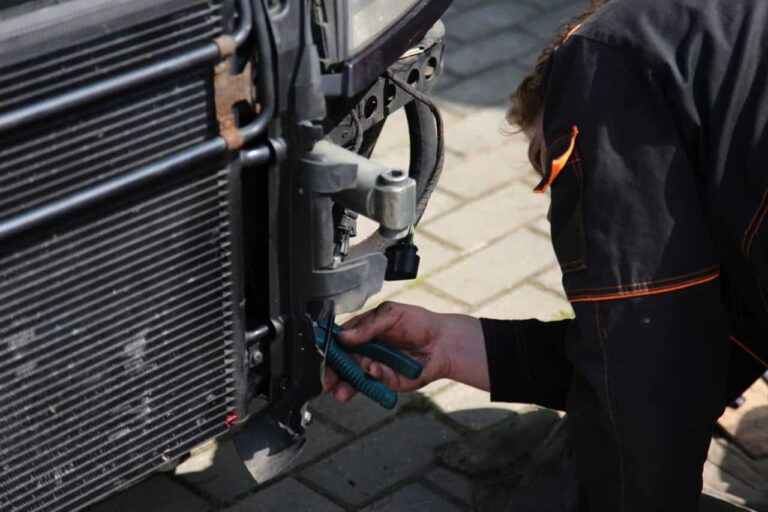
A radiator leaking from the bottom is a common cooling system problem that should never be ignored. The radiator is responsible for keeping your engine at a safe operating temperature by circulating coolant and releasing excess heat. When coolant begins leaking from the bottom of the radiator, your engine can quickly lose its ability to stay cool, increasing the risk of overheating and expensive engine damage.
Whether the leak is caused by corrosion, physical damage, or worn components, identifying the source early can save you from costly repairs. In this guide, we’ll explain the most common causes of a radiator leaking from the bottom, the symptoms to watch for, repair options, and preventive maintenance tips.
Why Is My Radiator Leaking From the Bottom?
Coolant leaking from the bottom of the radiator usually indicates that one or more cooling system components have failed. While the leak may appear to come from the radiator itself, it can also originate from nearby hoses, fittings, or the drain plug.
A thorough inspection is necessary to determine the exact source before replacing any parts.
Common Causes of a Radiator Leaking From the Bottom
Several issues can cause coolant to escape from the lower portion of the radiator.
Corroded Radiator
Corrosion is one of the leading causes of radiator leaks. Over time, old or contaminated coolant loses its protective properties, allowing rust and corrosion to develop inside the radiator.
As corrosion weakens the metal or aluminum core, small holes can form, causing coolant to leak from the bottom of the radiator.
Regular coolant replacement helps reduce corrosion and extends radiator life.
Damaged Radiator Drain Plug
Most radiators include a drain plug, also called a petcock, near the bottom. This plug is used when draining coolant during maintenance.
If the drain plug becomes loose, cracked, or damaged, coolant may slowly leak from the bottom of the radiator. Replacing a worn drain plug is often an inexpensive repair.
Cracked Plastic End Tank
Many modern radiators use aluminum cores with plastic end tanks. Continuous heating and cooling cycles eventually weaken the plastic, causing cracks near the bottom tank.
Once cracked, coolant escapes under pressure and may worsen as the engine reaches operating temperature.
In most cases, replacing the radiator is the recommended solution because plastic tank repairs are usually temporary.
Loose or Damaged Lower Radiator Hose
The lower radiator hose connects the radiator to the engine and carries cooled coolant back into the cooling system.
A loose hose clamp, cracked hose, or deteriorated rubber can cause coolant to leak near the bottom of the radiator, making it appear that the radiator itself has failed.
Inspecting the hose and clamps can quickly identify this common problem.
Also Read: Steering Rack Replacement – Guide
Road Debris Damage
Rocks, road debris, or minor collisions can puncture the lower portion of the radiator.
Even a small puncture allows coolant to leak under pressure, reducing the radiator’s cooling efficiency. Physical damage typically requires radiator replacement.
Faulty Radiator Seams
Radiators are manufactured using welded or crimped seams. As the radiator ages, vibration, heat, and pressure may weaken these joints.
Leaks developing along the lower seams often become more noticeable after the engine reaches normal operating temperature.
Symptoms of a Bottom Radiator Leak
Recognizing the warning signs early can prevent severe engine damage.
Coolant Under the Vehicle
One of the first signs is a puddle of coolant beneath the front of the vehicle. Coolant is commonly green, orange, pink, blue, or yellow, depending on the type used.
The location of the puddle often helps identify whether the radiator is leaking.
Low Coolant Levels
If the coolant reservoir frequently requires refilling, a leak may be allowing coolant to escape gradually.
Never ignore consistently low coolant levels, even if the leak appears small.
Engine Overheating
A leaking radiator reduces coolant circulation, causing engine temperatures to rise.
If your temperature gauge climbs above normal or the overheating warning light appears, stop driving as soon as it is safe to do so.
Sweet Smell
Engine coolant has a distinctive sweet odor. If you notice this smell around your vehicle or inside the cabin, a coolant leak may be present.
Steam Under the Hood
A significant coolant leak may produce steam as escaping coolant contacts hot engine components.
Steam indicates the cooling system is no longer operating effectively and should be inspected immediately.
Can You Drive with a Radiator Leaking From the Bottom?
Driving with a leaking radiator is not recommended.
Even a slow coolant leak can gradually reduce coolant levels until the engine overheats. Continued driving while the engine is overheating can result in serious mechanical damage, including a blown head gasket, warped cylinder head, damaged pistons, or complete engine failure.
If you discover a radiator leak, repair the problem before driving long distances.
How to Fix a Radiator Leak
The correct repair depends on the cause and severity of the leak.
Minor issues such as a loose drain plug or damaged hose clamp can often be repaired quickly.
If the lower radiator hose is cracked or deteriorated, replacing the hose is usually sufficient.
Radiators with severe corrosion, cracked plastic tanks, punctures, or leaking seams generally require complete replacement because repairs may only provide a temporary solution.
After repairs, the cooling system should be refilled with the correct coolant mixture and properly bled to remove trapped air.
How to Prevent Radiator Leaks
Routine maintenance is the best defense against radiator problems.
Replace coolant according to your vehicle manufacturer’s maintenance schedule to prevent corrosion. Inspect radiator hoses, clamps, and the radiator itself during regular service appointments.
Keep the radiator clean by removing dirt, leaves, and road debris that restrict airflow and trap moisture.
Address small coolant leaks immediately before they become larger and more expensive to repair.
Conclusion
A radiator leaking from the bottom is a warning sign that should never be overlooked. Common causes include corrosion, cracked plastic tanks, damaged drain plugs, faulty radiator seams, punctures, and leaking lower radiator hoses. Left untreated, coolant leaks can lead to overheating and severe engine damage.
By recognizing the symptoms early and repairing the cooling system promptly, you can protect your engine, improve vehicle reliability, and avoid costly repairs. Regular cooling system maintenance and timely inspections are the best ways to keep your radiator operating efficiently for years to come.
