
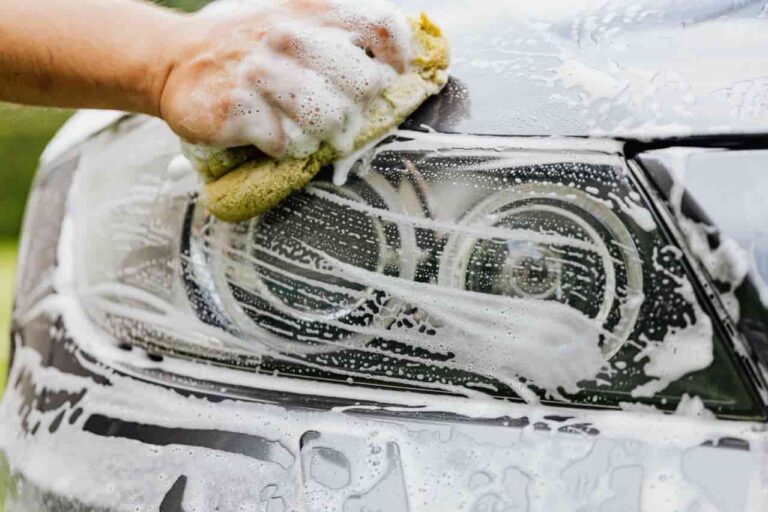
Clear headlights are essential for safe driving, especially at night and during poor weather conditions. Over time, headlight lenses can become cloudy, yellowed, or oxidized due to exposure to sunlight, road debris, dirt, and environmental contaminants. Not only do dirty or faded headlights reduce your vehicle’s appearance, but they also decrease light output, making it more difficult to see the road ahead.
Regular car headlight cleaning is an easy and cost-effective way to improve visibility, maintain your vehicle’s value, and enhance driving safety. Whether you choose a simple DIY approach or professional restoration, keeping your headlights clean ensures optimal performance and a polished look.
Why Car Headlight Cleaning Is Important
Headlights are constantly exposed to harsh outdoor conditions. Over time, ultraviolet (UV) rays, dust, rain, road salt, insects, and pollution can damage the plastic lens, causing it to become dull or hazy.
Cleaning your headlights regularly offers several benefits, including:
- Improved nighttime visibility
- Increased road safety
- Better appearance
- Enhanced resale value
- Improved light output
- Longer headlight lifespan
Clear headlights allow your lighting system to perform as intended, helping you see obstacles, pedestrians, and road signs more clearly.
Also Read: Electric Fuel Pump Repair – Guide
What Causes Cloudy Headlights?
Understanding why headlights become cloudy helps you prevent future damage.
UV Exposure
Most modern headlights are made from polycarbonate plastic, which is coated with a protective UV layer. Over time, this coating wears away, allowing sunlight to oxidize the surface.
Road Debris
Small stones, sand, and dirt constantly strike the headlight lens while driving, creating tiny scratches that reduce clarity.
Dirt and Grime
Mud, bug residue, tree sap, and road grime accumulate on the lens, reducing brightness if not cleaned regularly.
Harsh Weather
Rain, snow, road salt, and temperature changes gradually wear down the protective coating and contribute to oxidation.
Chemical Exposure
Using strong cleaning chemicals or abrasive materials can damage the headlight surface, making cloudiness worse over time.
Signs Your Headlights Need Cleaning
Watch for these common indicators:
- Yellow or cloudy lenses
- Reduced light brightness
- Poor nighttime visibility
- Uneven light output
- Visible oxidation
- Scratches on the lens
- Dull appearance
If you notice any of these signs, cleaning or restoring your headlights can significantly improve their performance.
How to Clean Car Headlights
Cleaning headlights is a straightforward process when you use the right materials and techniques.
Step 1: Wash the Headlights
Begin by washing the headlights with car shampoo and clean water to remove loose dirt, dust, and debris.
Use a microfiber cloth or soft sponge to avoid scratching the lens.
Step 2: Dry the Surface
Dry the headlights completely with a clean microfiber towel before applying any cleaning or restoration products.
Step 3: Apply a Headlight Cleaner
Use a quality headlight cleaning solution designed for plastic lenses. Apply the cleaner according to the manufacturer’s instructions and gently rub the surface using a microfiber cloth.
This removes surface contamination and prepares the lens for polishing if needed.
Step 4: Polish the Lens
If oxidation is present, use a plastic polish or headlight restoration compound to remove the cloudy outer layer.
Apply the polish in circular motions until the lens begins to clear.
Step 5: Protect the Surface
After cleaning and polishing, apply a UV-resistant sealant or protective coating.
This protective layer helps prevent future oxidation and keeps the headlights clear for a longer period.
DIY Headlight Cleaning Methods
Many vehicle owners successfully clean headlights at home using simple tools and products.
Common DIY methods include:
- Plastic polishing compounds
- Headlight restoration kits
- Mild automotive cleaning products
- Microfiber cloths
- Fine polishing pads
While some household remedies are popular online, products specifically designed for automotive headlights generally provide more consistent and longer-lasting results.
Professional Headlight Cleaning
If your headlights are heavily oxidized or severely scratched, professional restoration may be the better option.
Professional services often include:
- Machine polishing
- Wet sanding (when appropriate)
- Oxidation removal
- UV protective coating application
- Final polishing and inspection
Professional restoration can often restore headlights to near-original clarity without replacing the entire headlight assembly.
Tips for Maintaining Clear Headlights
Regular maintenance helps extend the life of your headlights and reduces the need for extensive restoration.
Follow these simple tips:
- Wash headlights whenever you wash your vehicle.
- Remove bug residue promptly.
- Apply a UV protectant every few months.
- Park in shaded areas when possible.
- Avoid harsh chemicals and abrasive cleaning pads.
- Inspect headlights regularly for signs of oxidation.
Routine care prevents minor damage from becoming a more serious problem.
Common Mistakes to Avoid
Improper cleaning techniques can damage your headlights.
Avoid these common mistakes:
- Using abrasive scrub pads
- Applying strong industrial cleaners
- Skipping the protective UV coating after polishing
- Cleaning with dirty cloths that may scratch the lens
- Ignoring early signs of oxidation
- Using excessive pressure while polishing
Proper cleaning methods preserve the integrity of the headlight lens and improve long-term durability.
When Should Headlights Be Replaced?
Cleaning and restoration are effective for many cloudy headlights, but replacement may be necessary if:
- The lens is cracked.
- Moisture is trapped inside the housing.
- Internal reflectors are damaged.
- The plastic has severe structural deterioration.
- Light output remains poor after restoration.
Replacing damaged headlights restores maximum visibility and ensures safe driving.
Benefits of Regular Car Headlight Cleaning
Maintaining clean headlights provides advantages beyond appearance.
Regular cleaning helps:
- Improve nighttime driving confidence
- Increase visibility during rain and fog
- Enhance vehicle safety
- Preserve the headlight lens
- Maintain your vehicle’s exterior appearance
- Reduce the likelihood of costly headlight replacement
Because headlights are critical safety components, keeping them clean should be part of every vehicle owner’s regular maintenance routine.
Final Thoughts
Regular car headlight cleaning is one of the simplest and most effective ways to improve your vehicle’s safety and appearance. Clear headlights provide better illumination, increase visibility in challenging driving conditions, and help your vehicle maintain a well-maintained look.
Whether you choose a DIY headlight restoration kit or professional cleaning services, routine maintenance can prevent oxidation, extend the lifespan of your headlights, and reduce the need for expensive replacements. By cleaning your headlights regularly and protecting them from UV damage, you’ll enjoy brighter lighting, safer driving, and a vehicle that looks its best for years to come.
