
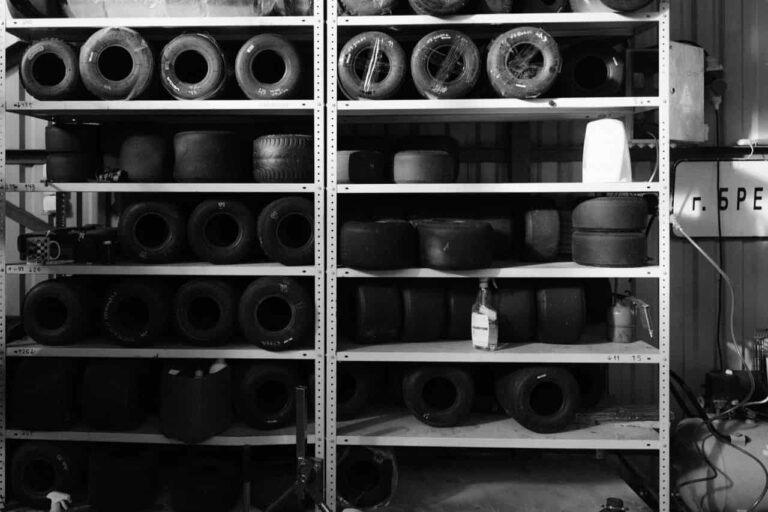
Your vehicle’s tires are constantly exposed to changing weather conditions, road surfaces, and temperature fluctuations throughout the year. Each season presents unique challenges that can affect tire pressure, tread wear, traction, and overall performance. Proper seasonal tire maintenance not only improves safety but also extends tire life, enhances fuel efficiency, and helps prevent unexpected breakdowns.
Whether you’re preparing for hot summer roads or icy winter conditions, following a seasonal tire maintenance routine ensures your vehicle remains reliable all year long. This guide covers essential tire care tips for spring, summer, fall, and winter.
Why Seasonal Tire Maintenance Matters
Temperature changes directly affect tire performance. Cold weather reduces tire pressure, while hot weather increases internal tire pressure and heat buildup. Rain, snow, ice, and road debris can also accelerate tire wear if tires are not properly maintained.
Regular seasonal inspections help:
- Improve road safety
- Increase tire lifespan
- Enhance fuel economy
- Prevent blowouts
- Improve handling
- Reduce uneven tire wear
- Lower long-term maintenance costs
A few minutes of maintenance each season can save hundreds of dollars in tire repairs and replacements.
Spring Tire Maintenance
After months of winter driving, your tires deserve a thorough inspection.
Check for Winter Damage
Snow, ice, potholes, and road salt can damage both tires and wheels.
Inspect each tire for:
- Cuts
- Cracks
- Bulges
- Sidewall damage
- Embedded objects
- Uneven tread wear
Also inspect the wheels for bends or corrosion caused by winter road conditions.
Check Tire Pressure
Temperature increases during spring naturally raise tire pressure.
Use a tire pressure gauge to verify that each tire matches the pressure recommended on the driver’s door-jamb label.
Avoid relying solely on the Tire Pressure Monitoring System (TPMS), as manual checks are more accurate for routine maintenance.
Rotate Your Tires
Spring is an excellent time to rotate your tires.
Regular tire rotation promotes even tread wear and helps maximize tire life. Follow your vehicle manufacturer’s recommended rotation interval, which is commonly every 5,000 to 8,000 miles, depending on the vehicle and tire type.
Inspect Wheel Alignment
Winter potholes often knock wheels out of alignment.
Signs of poor alignment include:
- Vehicle pulling to one side
- Uneven tire wear
- Crooked steering wheel
- Reduced handling stability
Correcting alignment issues early prevents premature tire wear.
Summer Tire Maintenance
Summer heat places additional stress on your tires.
Monitor Tire Pressure Frequently
High temperatures increase the air pressure inside tires.
Although slight pressure increases are normal during driving, overinflated tires may wear unevenly and become more susceptible to impact damage.
Check tire pressure early in the morning before driving.
Inspect Tread Depth
Summer storms can create slippery roads.
Adequate tread depth helps reduce the risk of hydroplaning and improves braking performance during heavy rain.
Replace tires that have reached the wear indicators or no longer provide sufficient tread.
Avoid Overloading
Summer vacations often mean carrying additional passengers and luggage.
Excessive vehicle weight increases tire temperatures and places additional stress on the tire structure.
Always follow your vehicle’s recommended load capacity.
Watch for Heat Damage
Extreme pavement temperatures can accelerate tire wear.
Inspect your tires regularly for:
- Cracks
- Bulges
- Blisters
- Rapid tread wear
If you notice any unusual damage, have the tires inspected immediately.
Fall Tire Maintenance
Fall is the ideal time to prepare your vehicle for colder weather.
Check Tire Pressure
As temperatures begin to drop, tire pressure also decreases.
Even a moderate temperature change can reduce pressure enough to trigger the TPMS warning light.
Monthly pressure checks become especially important during autumn.
Also Read: Patch vs Tire Plug – Ultimate Guide
Prepare for Wet Roads
Leaves, rain, and cooler temperatures create slippery driving conditions.
Inspect tread depth carefully to ensure your tires can maintain traction during wet weather.
Balance the Tires
If you notice steering wheel vibration at highway speeds, have your tires balanced.
Proper wheel balancing improves ride comfort while reducing uneven tread wear.
Inspect Valve Stems
Valve stems naturally age and may develop cracks.
Replacing worn valve stems during routine tire service helps prevent slow air leaks.
Winter Tire Maintenance
Winter presents the greatest challenge for tire performance.
Consider Winter Tires
If you regularly drive in areas with snow, ice, or freezing temperatures, dedicated winter tires provide significantly better traction than all-season tires.
Winter tires remain flexible in cold weather, improving grip and braking performance.
Check Tire Pressure More Often
Cold air causes tire pressure to decrease rapidly.
Inspect pressure at least once a month and before long winter trips.
Proper inflation improves traction and helps prevent uneven wear.
Inspect Tread Frequently
Winter driving demands maximum traction.
Replace tires that no longer provide sufficient tread depth for snowy or icy roads.
Remove Snow and Ice
Before driving, remove packed snow and ice from:
- Tire treads
- Wheels
- Wheel wells
This helps maintain balance and prevents vibrations.
Year-Round Tire Maintenance Tips
Regardless of the season, certain maintenance practices should be performed consistently.
Inspect Tires Monthly
Look for:
- Nails
- Screws
- Cracks
- Bulges
- Uneven wear
- Low tread depth
Early detection often prevents more serious problems.
Check Tire Pressure
Proper tire pressure improves:
- Fuel economy
- Handling
- Tire life
- Braking performance
Use a quality tire pressure gauge instead of relying only on visual inspection.
Rotate Tires Regularly
Routine tire rotation promotes even wear and extends tire life.
Follow your vehicle manufacturer’s maintenance schedule.
Keep Wheels Properly Aligned
Poor alignment causes uneven tread wear and reduces tire lifespan.
Have alignment checked whenever you notice handling changes or after hitting large potholes.
Balance Tires When Needed
Balanced tires improve ride comfort and reduce unnecessary wear on suspension components.
Common Seasonal Tire Problems
Drivers often encounter these seasonal issues:
- Low tire pressure during cold weather
- Overinflation during hot weather
- Pothole damage in spring
- Hydroplaning during summer storms
- Uneven tread wear
- Tire cracking due to aging
- TPMS warning lights
- Sidewall damage
- Wheel alignment problems
Regular inspections help identify these issues before they become serious.
Benefits of Seasonal Tire Maintenance
Following a seasonal maintenance routine offers several advantages:
- Longer tire lifespan
- Improved fuel efficiency
- Better traction in all weather conditions
- Reduced risk of blowouts
- More comfortable driving
- Lower repair costs
- Enhanced braking performance
- Increased overall vehicle safety
Preventive maintenance is far less expensive than replacing damaged tires or repairing accident-related damage caused by tire failure.
Final Thoughts
Seasonal tire maintenance is one of the simplest and most effective ways to improve vehicle safety and reduce long-term ownership costs. Changes in temperature, road conditions, and weather can all affect tire pressure, tread wear, and overall performance.
By checking tire pressure regularly, inspecting tread depth, rotating tires, maintaining proper wheel alignment, and preparing for each season’s unique driving conditions, you can extend the life of your tires and enjoy safer, more reliable driving throughout the year. Making seasonal tire maintenance part of your routine will help protect both your investment and everyone riding in your vehicle.
