
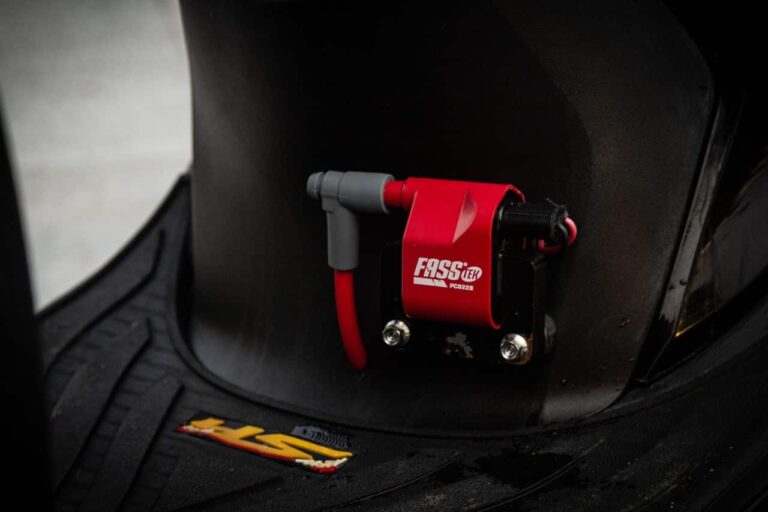
The ignition coil is a crucial component of your vehicle’s ignition system. Its primary function is to convert the battery’s low voltage into the high voltage needed to create a spark at the spark plugs. This spark ignites the air-fuel mixture inside the engine cylinders, allowing the engine to produce power. When an ignition coil begins to fail, it can cause engine misfires, poor fuel economy, rough idling, and reduced performance. Understanding the warning signs of a failing ignition coil and replacing it promptly can prevent further engine damage and restore smooth operation.
Although ignition coils are designed to last for many years, heat, vibration, and normal wear can eventually cause them to fail.
What Is an Ignition Coil?
An ignition coil is an electrical transformer that increases the vehicle’s battery voltage from approximately 12 volts to tens of thousands of volts. This high voltage is delivered to the spark plugs, where it creates the spark necessary for combustion.
Modern vehicles typically use coil-on-plug ignition systems, where each cylinder has its own ignition coil. Older vehicles may use a single ignition coil connected to a distributor.
Without properly functioning ignition coils, the engine cannot burn fuel efficiently, resulting in poor performance and increased emissions.
Also Read: Head Gaskit Replacement
Signs You Need an Ignition Coil Replacement
Several symptoms may indicate that one or more ignition coils have failed.
Check Engine Light
A faulty ignition coil often causes the Check Engine Light to illuminate.
The engine control unit detects engine misfires and stores diagnostic trouble codes that can help identify the affected cylinder.
Engine Misfires
One of the most common symptoms is an engine misfire.
You may notice:
- Engine shaking
- Rough acceleration
- Jerking while driving
- Loss of engine power
Ignoring persistent misfires can damage the catalytic converter.
Rough Idle
A failing ignition coil can prevent one cylinder from firing correctly, causing the engine to idle roughly.
The vehicle may vibrate noticeably while stopped at traffic lights or while parked with the engine running.
Poor Fuel Economy
Incomplete combustion caused by a weak spark forces the engine to consume more fuel.
If your vehicle suddenly experiences lower fuel efficiency, a failing ignition coil may be responsible.
Difficulty Starting the Engine
When one or more ignition coils fail, the engine may struggle to start or require extended cranking before it runs.
In severe cases, the engine may not start at all.
Reduced Engine Performance
A faulty ignition coil can significantly reduce engine performance.
Drivers may experience:
- Slow acceleration
- Reduced horsepower
- Hesitation during acceleration
- Uneven engine operation
Performance issues often become more noticeable under heavy engine load.
Common Causes of Ignition Coil Failure
Several factors contribute to ignition coil failure.
Common causes include:
- Normal wear over time
- Excessive engine heat
- Oil leaks entering the spark plug wells
- Moisture contamination
- Faulty spark plugs
- Electrical voltage spikes
- Engine vibration
- Poor electrical connections
Replacing worn spark plugs on schedule helps reduce stress on the ignition coils.
Ignition Coil Replacement Cost
The cost of replacing an ignition coil depends on the vehicle and the number of coils being replaced.
Average costs in 2026 include:
- Ignition coil: $50–$250 each
- Labor: $50–$150
- Total replacement cost: $100–$400 per coil
Vehicles with multiple failed coils or difficult engine access may have higher repair costs.
Can You Drive with a Bad Ignition Coil?
Although your vehicle may continue running with a faulty ignition coil, driving for an extended period is not recommended.
A failing ignition coil can lead to:
- Engine misfires
- Catalytic converter damage
- Increased fuel consumption
- Poor acceleration
- Hard starting
- Higher emissions
Prompt replacement helps avoid more expensive repairs.
How Ignition Coil Replacement Is Performed
Replacing an ignition coil is usually a straightforward repair.
The typical process includes:
- Turn off the engine and disconnect the battery.
- Remove the engine cover if necessary.
- Locate the faulty ignition coil.
- Disconnect the electrical connector.
- Remove the mounting bolt.
- Pull out the old ignition coil.
- Install the new ignition coil.
- Reconnect the electrical connector.
- Reconnect the battery.
- Start the engine and verify proper operation.
Some vehicles may require clearing diagnostic trouble codes after replacement.
Should You Replace Spark Plugs at the Same Time?
In many cases, yes.
Worn spark plugs force ignition coils to work harder, increasing the likelihood of premature coil failure.
Replacing spark plugs along with faulty ignition coils can improve engine performance and help extend the life of the new coils.
Many repair shops recommend inspecting both components together.
How Long Does Ignition Coil Replacement Take?
Most ignition coil replacements require between 30 minutes and one hour.
Vehicles with easy engine access can often be repaired quickly, while some engines require additional disassembly, increasing labor time.
How to Prevent Ignition Coil Failure
Proper maintenance can help extend the life of your ignition coils.
Helpful maintenance tips include:
- Replace spark plugs at recommended intervals.
- Repair oil leaks promptly.
- Keep electrical connections clean.
- Address engine misfires immediately.
- Avoid excessive engine overheating.
- Perform regular engine maintenance.
Routine inspections help identify ignition problems before they become major repairs.
Frequently Asked Questions
How long do ignition coils last?
Most ignition coils last between 80,000 and 120,000 miles, although some may last significantly longer depending on driving conditions and maintenance.
Can one bad ignition coil affect the entire engine?
Yes. A single failed ignition coil can cause engine misfires, reduced power, poor fuel economy, and rough engine operation.
Is ignition coil replacement expensive?
Compared to many engine repairs, ignition coil replacement is relatively affordable. Replacing a faulty coil early can prevent much more expensive catalytic converter or engine damage.
Conclusion
Ignition coil replacement is an important repair that restores reliable engine performance, improves fuel efficiency, and eliminates engine misfires. Common signs of a failing ignition coil include a Check Engine Light, rough idle, hard starting, poor acceleration, reduced fuel economy, and loss of power. Replacement costs typically range from $100 to $400 per coil, depending on the vehicle and labor requirements. Replacing faulty ignition coils promptly, along with worn spark plugs when necessary, helps protect the ignition system, improve engine reliability, and prevent more costly repairs in the future.
