
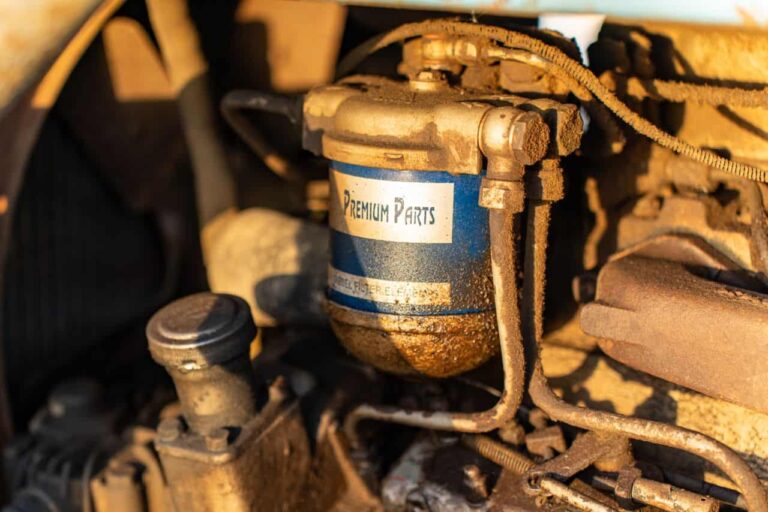
The fuel filter is a small but essential component of your vehicle’s fuel system. Its primary job is to remove dirt, rust, debris, and other contaminants from the fuel before it reaches the engine. A clean fuel filter helps protect the fuel pump and fuel injectors while ensuring the engine receives a steady supply of clean fuel. Over time, the filter becomes clogged with impurities, restricting fuel flow and causing various performance problems. Knowing when fuel filter replacement is necessary can help prevent expensive repairs and keep your vehicle running smoothly.
Although fuel filters are designed to last for thousands of miles, they eventually require replacement as part of routine vehicle maintenance.
What Is a Fuel Filter?
A fuel filter is installed in the fuel line between the fuel tank and the engine. As fuel passes through the filter, contaminants are trapped before they can reach sensitive components such as the fuel injectors and fuel pump.
Modern gasoline and diesel engines rely on clean fuel for proper combustion and efficient operation. Even small particles can damage precision fuel system components if they are allowed to circulate through the engine.
Replacing the fuel filter at the recommended interval helps maintain reliable engine performance and extends the life of the fuel system.
Signs You Need a Fuel Filter Replacement
Several warning signs may indicate that your fuel filter is becoming clogged.
Difficulty Starting the Engine
A restricted fuel filter can reduce fuel pressure, making it difficult for the engine to receive enough fuel during startup.
You may notice extended cranking before the engine starts or repeated starting attempts.
Poor Engine Performance
Insufficient fuel flow caused by a clogged filter can reduce engine power.
Common symptoms include:
- Sluggish acceleration
- Loss of power
- Hesitation during acceleration
- Reduced engine responsiveness
Performance problems often become more noticeable under heavy acceleration or when climbing hills.
Engine Stalling
If the fuel filter becomes severely blocked, fuel flow may stop temporarily, causing the engine to stall while driving or idling.
Frequent stalling should be inspected immediately to avoid unsafe driving situations.
Rough Idle
A clogged fuel filter can interrupt the engine’s fuel supply, leading to an unstable or rough idle.
The engine may vibrate excessively or fluctuate in RPM while stopped.
Poor Fuel Economy
Restricted fuel flow forces the engine to work harder to maintain performance, which may increase fuel consumption.
If your gas mileage suddenly decreases without another obvious cause, the fuel filter may need replacement.
Check Engine Light
Some vehicles monitor fuel system performance electronically.
If the engine control unit detects fuel pressure or combustion problems related to restricted fuel flow, it may illuminate the Check Engine Light.
Also Read: Mass Airflow Sensor Replacement
Common Causes of Fuel Filter Clogging
Fuel filters naturally collect contaminants throughout their service life.
Common causes of clogging include:
- Dirt in the fuel
- Rust from the fuel tank
- Water contamination
- Sediment buildup
- Poor-quality fuel
- High vehicle mileage
- Fuel system corrosion
Regular replacement prevents excessive restriction and protects other fuel system components.
Fuel Filter Replacement Cost
Fuel filter replacement costs vary depending on the vehicle and filter location.
Average costs in 2026 include:
- Fuel filter: $20–$100
- Labor: $50–$200
- Total replacement cost: $70–$300
Some vehicles have the fuel filter integrated into the fuel pump assembly inside the fuel tank, increasing labor costs significantly.
Can You Drive with a Clogged Fuel Filter?
Although the vehicle may continue running for a while, driving with a clogged fuel filter is not recommended.
A restricted filter can lead to:
- Engine stalling
- Reduced power
- Hard starting
- Fuel pump damage
- Injector problems
- Increased repair costs
Replacing the filter promptly helps prevent additional fuel system failures.
How Fuel Filter Replacement Is Performed
Replacing a fuel filter usually involves the following steps:
- Turn off the engine.
- Relieve fuel system pressure.
- Disconnect the battery.
- Locate the fuel filter.
- Disconnect the fuel lines.
- Remove the old filter.
- Install the new filter in the correct flow direction.
- Reconnect the fuel lines.
- Restore fuel pressure.
- Check for leaks and verify proper engine operation.
Some vehicles require special tools or procedures, particularly if the filter is located inside the fuel tank.
How Often Should a Fuel Filter Be Replaced?
Replacement intervals vary by manufacturer and vehicle type.
Many gasoline vehicles require fuel filter replacement every 30,000 to 60,000 miles, while some newer vehicles use long-life filters designed to last much longer.
Diesel engines often require more frequent fuel filter replacement because of their higher fuel system pressures and greater sensitivity to contamination.
Always follow the maintenance schedule in your owner’s manual.
Can You Replace a Fuel Filter Yourself?
On vehicles with an externally mounted fuel filter, replacement is often a manageable task for experienced DIY mechanics with the proper tools.
However, vehicles with fuel filters located inside the fuel tank usually require professional service due to the complexity of accessing the fuel pump assembly.
Safety precautions are essential because gasoline is highly flammable.
How to Extend Fuel Filter Life
Proper maintenance helps maximize the lifespan of your fuel filter.
Helpful tips include:
- Buy fuel from reputable stations.
- Avoid running the fuel tank nearly empty.
- Replace the fuel filter on schedule.
- Repair fuel system leaks promptly.
- Use clean, high-quality fuel.
- Perform routine fuel system maintenance.
Keeping contaminants out of the fuel system protects both the filter and other expensive fuel system components.
Frequently Asked Questions
How long does a fuel filter last?
Most fuel filters last between 30,000 and 60,000 miles, although some modern vehicles use filters designed to last much longer.
Will a clogged fuel filter trigger a Check Engine Light?
Yes. In some vehicles, restricted fuel flow may cause diagnostic trouble codes that illuminate the Check Engine Light.
Is replacing a fuel filter worth it?
Absolutely. Fuel filter replacement is inexpensive compared to repairing damaged fuel injectors, fuel pumps, or engine components caused by contaminated fuel.
Conclusion
Fuel filter replacement is an important maintenance service that helps protect your engine and fuel system from harmful contaminants. A clogged fuel filter can cause hard starting, rough idle, poor acceleration, engine stalling, reduced fuel economy, and even damage to the fuel pump or injectors. Replacement typically costs between $70 and $300, making it a cost-effective way to prevent more expensive repairs. By replacing the fuel filter at the recommended intervals, using high-quality fuel, and following your vehicle’s maintenance schedule, you can maintain reliable engine performance, improve fuel efficiency, and extend the life of your vehicle’s fuel system.
