
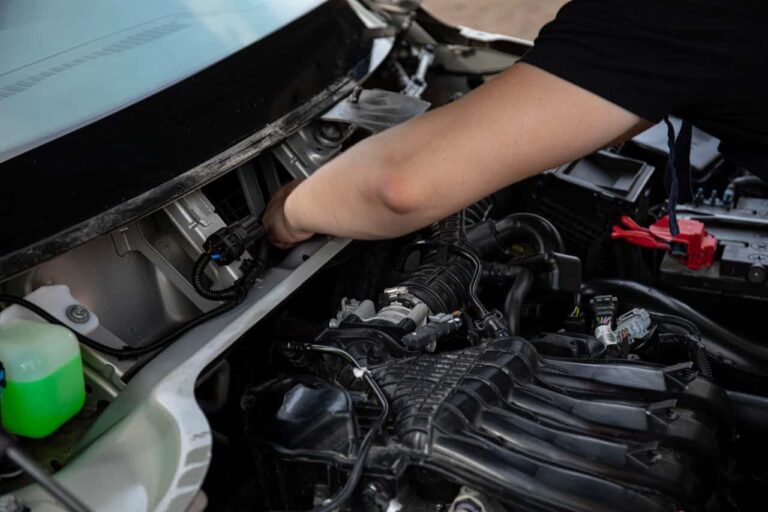
The mass airflow (MAF) sensor is an essential component of your vehicle’s engine management system. It measures the amount of air entering the engine and sends this information to the engine control unit (ECU), which adjusts the air-fuel mixture for optimal performance. When the MAF sensor fails or becomes dirty, your engine may experience poor performance, rough idling, reduced fuel economy, and increased emissions. Understanding the warning signs of a failing MAF sensor and knowing when replacement is necessary can help prevent larger engine problems and keep your vehicle running efficiently.
Although replacing a mass airflow sensor is generally a straightforward repair, ignoring a faulty sensor can lead to expensive issues with the engine, catalytic converter, and fuel system.
What Is a Mass Airflow Sensor?
The mass airflow sensor is located between the air filter and the throttle body in the engine’s air intake system. Its primary function is to measure the volume and density of incoming air before it enters the engine.
The ECU uses this data to calculate the proper amount of fuel needed for combustion. Maintaining the correct air-fuel ratio improves engine performance, fuel economy, emissions, and overall drivability.
Modern vehicles rely heavily on accurate MAF sensor readings to operate efficiently.
Signs You Need a Mass Airflow Sensor Replacement
Several symptoms may indicate that your mass airflow sensor is failing.
Check Engine Light
One of the earliest warning signs is an illuminated Check Engine Light. A faulty MAF sensor often triggers diagnostic trouble codes related to airflow or fuel mixture problems.
A professional scan tool can identify whether the sensor is causing the warning light.
Poor Fuel Economy
If the MAF sensor provides inaccurate airflow readings, the ECU may inject too much or too little fuel into the engine.
This imbalance can significantly reduce fuel efficiency, causing you to visit the gas station more frequently.
Rough Idle
A failing MAF sensor can disrupt the engine’s air-fuel mixture, resulting in rough or unstable idling.
The engine may shake, vibrate, or fluctuate in RPM while stopped at traffic lights or parked with the engine running.
Hesitation During Acceleration
Vehicles with a faulty MAF sensor often hesitate or stumble when accelerating.
You may notice delayed throttle response, sluggish acceleration, or brief power loss when pressing the accelerator.
Engine Stalling
In severe cases, incorrect airflow measurements can cause the engine to stall shortly after starting or while driving at low speeds.
Frequent stalling should be diagnosed immediately to avoid unsafe driving conditions.
Black Exhaust Smoke
A malfunctioning MAF sensor may cause the engine to run excessively rich, meaning too much fuel is injected into the combustion chamber.
This can produce black exhaust smoke and increase harmful emissions.
Also Read: FDIC Insured Saving Account – Guide
Common Causes of Mass Airflow Sensor Failure
Several factors can shorten the lifespan of a mass airflow sensor.
Common causes include:
- Dirt and dust contamination
- Clogged air filters
- Oil contamination from aftermarket air filters
- Moisture intrusion
- Electrical connector damage
- Wiring problems
- Engine backfires
- Normal wear over time
Replacing the engine air filter regularly helps reduce contamination and extends sensor life.
Mass Airflow Sensor Replacement Cost
The cost of replacing a mass airflow sensor varies depending on the vehicle and the type of sensor used.
Average costs in 2026 include:
- Mass airflow sensor: $80–$400
- Labor: $50–$150
- Total replacement cost: $130–$550
Luxury vehicles, European models, and high-performance vehicles often use more expensive original equipment sensors.
Can You Drive with a Bad Mass Airflow Sensor?
Although a vehicle may continue running with a faulty MAF sensor, driving for an extended period is not recommended.
A malfunctioning sensor can cause:
- Reduced engine performance
- Poor fuel economy
- Increased emissions
- Catalytic converter damage
- Difficulty starting
- Engine stalling
Replacing the sensor promptly helps prevent additional repairs.
How Mass Airflow Sensor Replacement Is Performed
Replacing a mass airflow sensor is usually a simple procedure.
The general process includes:
- Turn off the engine and disconnect the battery.
- Locate the mass airflow sensor in the air intake system.
- Disconnect the electrical connector.
- Remove the mounting screws or clamps.
- Install the new sensor.
- Reconnect the electrical connector.
- Reconnect the battery.
- Start the engine and verify proper operation.
Some vehicles may require clearing diagnostic trouble codes after installation.
Can a Mass Airflow Sensor Be Cleaned Instead of Replaced?
In some cases, yes.
If the sensor is simply contaminated with dirt or debris, cleaning it using a dedicated mass airflow sensor cleaner may restore proper operation.
However, cleaning will not repair internal electrical damage or worn sensing elements. If cleaning does not eliminate the symptoms, replacement is usually necessary.
Never use brake cleaner, carburetor cleaner, or compressed air on a MAF sensor, as these products can damage the delicate sensing wires.
How Long Does Mass Airflow Sensor Replacement Take?
Most professional technicians can replace a mass airflow sensor in approximately 30 to 60 minutes.
Since the sensor is typically easy to access, labor costs are generally lower than many other engine repairs.
How to Prevent Mass Airflow Sensor Failure
Proper maintenance can significantly extend the life of your MAF sensor.
Helpful maintenance tips include:
- Replace the engine air filter at recommended intervals.
- Inspect the air intake system for leaks.
- Avoid over-oiling reusable air filters.
- Keep the engine compartment clean.
- Repair intake hose cracks promptly.
- Clean the sensor only with approved MAF sensor cleaner when necessary.
Routine air intake maintenance helps ensure accurate airflow measurements and optimal engine performance.
Frequently Asked Questions
How long does a mass airflow sensor last?
Most mass airflow sensors last between 100,000 and 150,000 miles, although proper maintenance can help them last even longer.
Will a bad MAF sensor cause poor acceleration?
Yes. Incorrect airflow readings can prevent the engine from delivering the proper air-fuel mixture, leading to sluggish acceleration and reduced power.
Is it better to clean or replace a mass airflow sensor?
If contamination is the only issue, cleaning may restore normal operation. However, if the sensor has failed electronically or continues causing problems after cleaning, replacement is the best solution.
Conclusion
Mass airflow sensor replacement is an important repair that restores accurate airflow measurement, improves engine performance, and enhances fuel efficiency. Common symptoms of a failing sensor include a Check Engine Light, rough idle, poor acceleration, engine stalling, black exhaust smoke, and reduced fuel economy. Replacement costs typically range from $130 to $550, depending on the vehicle and sensor type. Regular air filter replacement, proper intake system maintenance, and prompt attention to warning signs can help extend the life of your MAF sensor and keep your engine operating at peak performance.
