
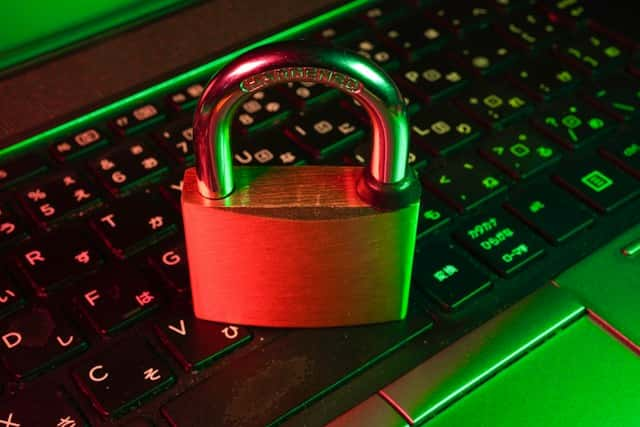
Many small business owners assume hackers only target large corporations. In reality, smaller companies are frequent targets because they often have weaker defenses and fewer resources to recover. A single ransomware attack, phishing scam, or data breach can lead to lost revenue, legal bills, and damaged customer trust. Cyber liability insurance for small business helps cover these costs so one incident does not shut down your company. This guide explains how it works, what it covers, and how to choose a policy.
What Is Cyber Liability Insurance?
Cyber liability insurance is a policy that protects businesses from financial losses caused by cyberattacks, data breaches, and other technology-related incidents. Standard general liability and property policies usually exclude or severely limit cyber losses, which is why a dedicated policy is needed.
Most cyber policies combine two types of protection: first-party coverage for your own losses and third-party coverage for claims brought by customers, partners, or regulators.
First-Party Coverage
First-party coverage pays for the direct costs your business faces after an incident, such as:
- Breach response: Forensic investigators to find the cause and scope of the attack.
- Customer notification: Costs to notify affected individuals as required by state laws.
- Credit monitoring: Identity protection services for affected customers.
- Data restoration: Recovering or recreating lost or corrupted data.
- Business interruption: Lost income while your systems are down.
- Cyber extortion: Ransom negotiation and, where legal and approved, payment.
- Public relations: Crisis communication to protect your reputation.
Third-Party Coverage
Third-party coverage protects you when others hold your business responsible for a cyber incident:
- Privacy liability: Lawsuits from customers whose personal data was exposed.
- Network security liability: Claims that your systems spread malware to others.
- Regulatory defense and fines: Costs of regulatory investigations and penalties where insurable by law.
- PCI fines and assessments: Penalties tied to payment card data breaches.
- Media liability: Claims of defamation or copyright infringement in digital content.
Social Engineering and Funds Transfer Fraud
Business email compromise is one of the most costly threats to small companies. Criminals impersonate a vendor or executive and trick staff into wiring money. Many policies offer this coverage only as an endorsement with a lower sub-limit, so ask about it specifically.
Which Small Businesses Need Cyber Insurance?
If your business uses computers, email, or the internet, you face cyber risk. Coverage is especially important if you:
- Store customer names, addresses, Social Security numbers, or health records
- Accept credit card payments
- Run an online store or rely on a website for sales
- Use cloud software to manage operations
- Send or receive wire transfers
- Work with clients who contractually require cyber coverage
Medical practices, law firms, accountants, retailers, auto repair shops, real estate offices, and e-commerce stores all handle sensitive data and are frequent targets.
What Affects the Cost of Cyber Insurance?
Premiums depend on your risk profile. Insurers typically consider:
- Industry: Healthcare, finance, and retail usually pay more due to sensitive data.
- Revenue and size: Larger operations have more exposure.
- Volume of records: The more personal data you store, the higher the risk.
- Security controls: Strong protections can reduce premiums or are required for approval.
- Claims history: Past incidents raise rates.
- Coverage limits and deductibles: Higher limits increase cost.
Security Controls Insurers Expect
Underwriting for cyber insurance has become stricter. Many carriers now require basic controls before issuing a policy:
- Multi-factor authentication on email, remote access, and admin accounts
- Regular, offline or immutable data backups that are tested
- Endpoint protection on all devices
- Timely software updates and patching
- Employee training on phishing and wire fraud
- An incident response plan
Reviewing your weaknesses before you apply can improve both your approval odds and your premium. Our guide to a cybersecurity risk assessment walks through how to identify and prioritize gaps. The U.S. Cybersecurity and Infrastructure Security Agency also offers free, practical guidance in its Cyber Essentials toolkit for small organizations.
How to Choose a Cyber Insurance Policy
- Assess your exposure: Estimate how many records you hold and how long you could operate without your systems.
- Pick appropriate limits: Consider the cost of notification, downtime, and potential lawsuits.
- Check sub-limits: Ransomware, social engineering, and business interruption are often capped separately.
- Review exclusions: Look for war, infrastructure failure, and unpatched-system exclusions.
- Evaluate response services: The best policies include a 24/7 breach hotline and pre-approved vendors.
- Compare carriers: Work with an agent experienced in cyber risk.
Common Mistakes to Avoid
- Assuming general liability insurance covers data breaches
- Misrepresenting security controls on the application, which can void coverage
- Paying a ransom or hiring vendors before contacting the insurer
- Choosing limits too low to cover a realistic incident
- Overlooking funds transfer fraud coverage
Frequently Asked Questions
Does general liability insurance cover cyberattacks?
Usually not. Most general liability policies exclude electronic data losses and privacy claims, so a separate cyber policy or endorsement is needed for real protection.
Is cyber insurance required by law?
No federal law requires it, but clients, vendors, and lenders increasingly require proof of cyber coverage in contracts, especially when you handle their data.
How quickly should I report a cyber incident to my insurer?
As soon as possible. Most policies require prompt notice, and calling the insurer’s breach hotline first gives you access to approved forensic and legal experts who can limit the damage.
Final Thoughts
Cyber threats are now a routine business risk, not a rare event. Cyber liability insurance for small business gives you financial protection and expert help when an attack happens. Pair a well-designed policy with strong security habits, and your company will be far better prepared to recover quickly and keep the trust of its customers.
