
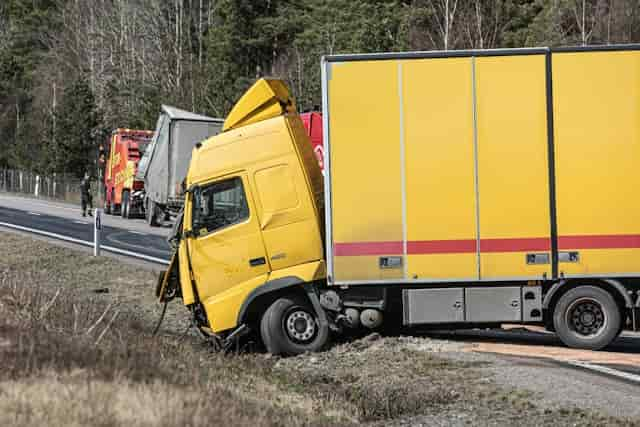
A collision with a fully loaded tractor-trailer is nothing like a minor fender-bender between two cars. A big rig can weigh up to 80,000 pounds, so injuries tend to be severe, medical bills climb fast, and the trucking company usually has its own investigators working the scene within hours. That imbalance is the main reason injured drivers and families turn to a truck accident lawyer. This guide explains what these attorneys do, who can be held responsible for a truck crash, and how to choose the right lawyer for your claim.
Why Truck Accident Claims Are Different From Car Accident Claims
In a typical car crash, there is one at-fault driver and one insurance policy. Truck cases are more complicated for three reasons.
First, there are often several defendants. The driver, the motor carrier, the company that loaded the cargo and the shop that serviced the brakes may all share the blame.
Second, commercial trucks are governed by federal safety regulations. A violation of those rules can be powerful evidence of negligence, but only if someone knows where to look for it.
Third, the money at stake is larger. Interstate carriers hauling general freight must carry at least $750,000 in liability coverage, and hazardous-materials carriers need far more. Insurers defending policies of that size hire experienced defense teams, and they rarely offer a fair settlement to someone negotiating alone.
Who Can Be Held Liable for a Truck Crash
A skilled attorney looks beyond the driver to every party whose mistake contributed to the collision:
- The truck driver – for speeding, distracted driving, impairment or fatigue.
- The motor carrier – for negligent hiring, poor training, unrealistic delivery schedules or pressuring drivers to break hours-of-service limits.
- The cargo loader or shipper – for overloaded or unsecured freight that shifts and causes a rollover or jackknife.
- The maintenance provider – for skipped inspections or faulty brake, tire and lighting repairs.
- The parts manufacturer – for defective components such as tires, brakes or steering systems.
Identifying every responsible party matters because each one may carry its own insurance, which increases the total compensation available to you.
Federal Trucking Rules That Often Decide the Case
The Federal Motor Carrier Safety Administration (FMCSA) sets strict limits on how long truckers can drive. Under the FMCSA hours-of-service rules, a property-carrying driver may drive a maximum of 11 hours after 10 consecutive hours off duty, cannot drive beyond the 14th hour after coming on duty, and must take a 30-minute break after 8 cumulative hours of driving. Weekly limits of 60 or 70 hours also apply.
Most carriers now record these hours on electronic logging devices (ELDs). When ELD data shows a driver was over the limit, it becomes strong proof that fatigue played a role. Your lawyer will also review drug and alcohol testing records, the driver’s qualification file and the carrier’s safety rating. If you want to understand the coverage side of the industry, our guide to motor carrier insurance requirements explains what trucking companies must carry by law.
Evidence a Truck Accident Lawyer Will Secure Quickly
Time is critical. Some trucking records only have to be kept for a few months, and electronic data can be overwritten. One of the first things your attorney will do is send a preservation letter demanding the company keep:
- ELD and engine control module (“black box”) data showing speed, braking and hours driven
- Dashcam and forward-facing camera footage
- Dispatch logs, delivery schedules and driver communications
- Inspection, maintenance and repair records
- Post-crash drug and alcohol test results
- Cargo manifests and loading documents
Your lawyer may also hire accident reconstruction experts to recreate the crash and prove how it happened.
Compensation You May Be Able to Recover
Depending on your state’s laws and the facts of the case, damages in a truck accident claim may include:
- Past and future medical expenses, including surgery and rehabilitation
- Lost wages and reduced earning capacity
- Property damage to your vehicle
- Pain and suffering, emotional distress and loss of enjoyment of life
- Punitive damages in cases involving reckless conduct, such as a carrier knowingly falsifying logs
How Much Does a Truck Accident Lawyer Cost?
Most personal injury attorneys work on a contingency fee, which means you pay nothing upfront and the lawyer is paid only if you recover money. The fee is usually between 33% and 40% of the settlement or verdict, and it may rise if the case goes to trial. Ask how case costs, such as expert witness fees, are handled and whether they are deducted before or after the attorney’s percentage. Nearly all truck accident firms offer a free consultation.
How to Choose the Right Truck Accident Lawyer
Not every personal injury attorney has handled commercial vehicle litigation. Before you sign, ask:
- How many truck accident cases have you handled, and how many went to trial?
- Are you familiar with FMCSA regulations and ELD data?
- Do you have the resources to hire reconstruction and medical experts?
- Who will actually work on my case day to day?
- How often will you update me on progress?
Look for a firm willing to take a case to trial. Insurance companies track which lawyers settle cheaply and which ones are ready to go before a jury.
What to Do Right After a Truck Accident
If you are able, call 911, get medical care even if you feel fine, photograph the scene and the truck’s DOT number, and collect witness contact details. Do not give a recorded statement to the trucking company’s insurer, and do not sign anything before speaking with an attorney.
Frequently Asked Questions
How long do I have to file a truck accident lawsuit?
Each state sets its own statute of limitations, commonly two to three years for personal injury claims, though some deadlines are shorter. Claims against government entities can have notice deadlines of just a few months.
What if I was partly at fault?
Most states use comparative negligence, so you may still recover compensation, reduced by your percentage of fault. A few states bar recovery if you are found even slightly responsible.
Will my case go to court?
Most truck accident claims settle, but strong trial preparation is often what produces a fair offer.
This article is for general information only and is not legal advice. Laws vary by state, so speak with a licensed attorney about your specific situation.
