
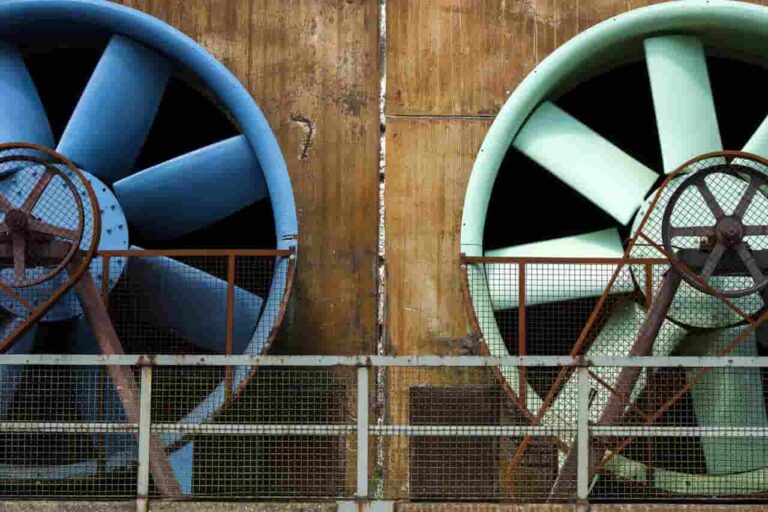
A properly functioning radiator fan is essential for keeping your vehicle’s engine at the correct operating temperature. The radiator fan pulls air through the radiator, helping dissipate heat from the coolant, especially when the vehicle is idling or moving at low speeds. If the radiator fan stops working, the engine can overheat quickly, leading to expensive repairs and reduced performance.
Understanding why a radiator fan is not working can help you identify the issue early and prevent severe engine damage. This guide explains the most common causes, warning signs, troubleshooting methods, and preventive maintenance tips.
What Does a Radiator Fan Do?
The radiator fan helps cool the engine by drawing air through the radiator when natural airflow is insufficient. This is particularly important during stop-and-go traffic, extended idling, or hot weather conditions.
Modern vehicles typically use electric radiator fans controlled by sensors and the engine control module (ECM). Some older vehicles use mechanical fans driven by the engine through a fan clutch.
Without a functioning radiator fan, coolant temperatures can rise rapidly, increasing the risk of overheating.
Common Signs of a Radiator Fan Not Working
Several symptoms indicate that your radiator fan may have stopped functioning.
Engine Overheating
The most obvious sign is an overheating engine. If the temperature gauge climbs above normal while idling or driving slowly, but returns to normal at highway speeds, the radiator fan may not be operating correctly.
Air Conditioner Performance Drops
Many vehicles activate the radiator fan when the air conditioning is turned on. If the fan fails, the air conditioner may produce warm air instead of cold air, especially while the vehicle is stationary.
Fan Doesn’t Turn On
After the engine reaches operating temperature, the radiator fan should activate automatically. If the fan never spins, even when the engine is hot, there is likely a fault somewhere in the cooling system.
Temperature Warning Light
Many modern vehicles illuminate a temperature warning light when the engine becomes excessively hot. This warning should never be ignored because continued driving can cause serious engine damage.
Steam from the Engine Bay
If the radiator fan isn’t cooling the radiator, coolant temperatures may rise high enough to produce steam from under the hood. Pull over safely and allow the engine to cool before inspecting the cooling system.
Also Read: Steering Rack Replacement
Common Causes of a Radiator Fan Not Working
Several mechanical and electrical issues can prevent the radiator fan from operating properly.
Blown Fuse
The radiator fan circuit is protected by a fuse. If the fuse blows due to an electrical overload, the fan will stop working completely. Replacing the fuse is often a simple fix, but recurring blown fuses indicate an underlying electrical problem.
Faulty Fan Relay
The fan relay supplies electrical power to the radiator fan motor. A defective relay may interrupt power, preventing the fan from activating even when the engine reaches high temperatures.
Bad Coolant Temperature Sensor
The coolant temperature sensor monitors engine temperature and signals the engine control module when the radiator fan should turn on. If the sensor fails, the fan may never receive the command to operate.
Failed Radiator Fan Motor
Like any electric motor, the radiator fan motor can wear out over time. Burned windings, worn bearings, or internal electrical failures can prevent the fan from spinning.
Wiring Problems
Loose connectors, damaged wiring, or corrosion can interrupt electrical power between the battery, relay, control module, and radiator fan motor.
Inspecting wiring for visible damage is an important part of diagnosing radiator fan problems.
Faulty Engine Control Module
Although less common, a malfunctioning engine control module (ECM) may fail to activate the radiator fan due to software or hardware issues. Professional diagnostic equipment is usually required to confirm this problem.
How to Diagnose a Radiator Fan Problem
A systematic inspection can help identify the source of the problem.
Start by checking the coolant level since low coolant can affect temperature sensor readings. Next, inspect the radiator fan fuse and relay for signs of failure.
Turn on the air conditioner with the engine running. In many vehicles, the radiator fan should activate immediately. If it doesn’t, inspect the fan motor and electrical connections.
A diagnostic scan tool can also detect fault codes related to the cooling system, temperature sensor, or engine control module.
Can You Drive with a Radiator Fan Not Working?
Driving with a faulty radiator fan is not recommended, especially in city traffic or during hot weather. Without proper airflow through the radiator, engine temperatures can increase rapidly.
Short highway trips may not immediately cause overheating because natural airflow cools the radiator, but once the vehicle slows or stops, temperatures can rise dangerously.
Continuing to drive an overheating engine can result in a blown head gasket, warped cylinder head, damaged pistons, or complete engine failure.
How to Prevent Radiator Fan Problems
Regular maintenance helps keep the cooling system operating efficiently.
Inspect coolant levels frequently and replace coolant according to the manufacturer’s recommended service intervals. Keep the radiator clean and free of debris that may block airflow.
Periodically inspect wiring, electrical connectors, and cooling system components for signs of wear or corrosion. Address minor electrical problems before they develop into complete fan failure.
Routine cooling system inspections by a qualified technician can identify worn parts before they lead to overheating.
Conclusion
A radiator fan not working is a serious issue that can quickly lead to engine overheating and costly repairs. Common causes include blown fuses, faulty relays, damaged fan motors, bad coolant temperature sensors, wiring issues, and electrical control problems.
Recognizing the warning signs early and performing timely repairs can protect your engine, improve cooling system performance, and reduce repair costs. If your radiator fan fails to operate or your engine repeatedly overheats, have the cooling system inspected as soon as possible to prevent long-term engine damage.
