
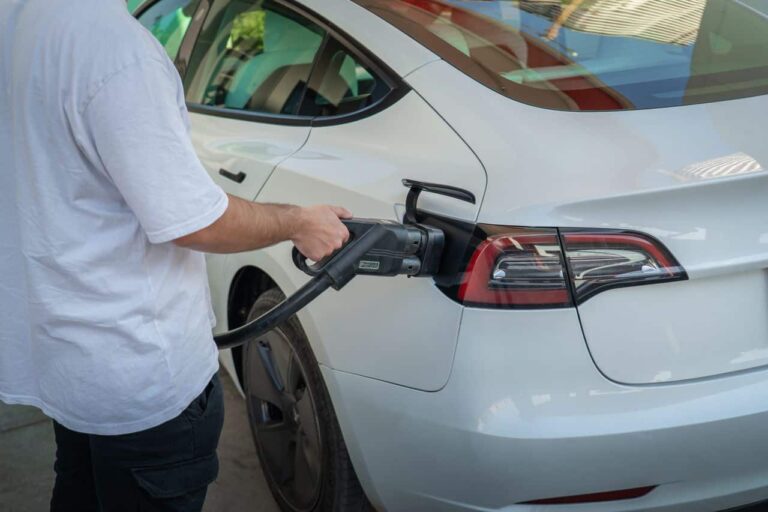
As fuel prices fluctuate and environmental concerns continue to grow, many car buyers are considering alternatives to traditional gasoline-powered vehicles. Two of the most popular options are electric vehicles (EVs) and hybrid vehicles. Both offer improved fuel efficiency and lower emissions, but they differ significantly in terms of purchase price, operating costs, maintenance expenses, and long-term value.
If you’re deciding between an EV and a hybrid, understanding the total cost of ownership is essential. This guide compares EVs and hybrids across several key cost categories to help you determine which option makes the most financial sense for your needs.
Understanding the Difference Between EVs and Hybrids
Before comparing costs, it’s important to understand how these vehicles operate.
Electric vehicles run entirely on electricity and use battery packs to power electric motors. They do not require gasoline and must be charged through home chargers or public charging stations.
Hybrid vehicles combine a gasoline engine with an electric motor. The battery is charged through regenerative braking and the gasoline engine, meaning hybrids do not require external charging in most cases.
Because of these design differences, the cost structure of EVs and hybrids varies considerably.
Purchase Price Comparison
One of the first factors buyers consider is the initial purchase price.
Electric Vehicles
Electric vehicles generally have higher upfront costs due to the expense of battery production. Although prices have become more competitive in recent years, many EV models still cost more than comparable gasoline or hybrid vehicles.
However, government incentives, tax credits, and rebates in some regions can significantly reduce the effective purchase price of an EV.
Hybrid Vehicles
Hybrid vehicles are often less expensive than fully electric models while still offering substantial fuel savings. Their smaller battery systems contribute to lower manufacturing costs, making hybrids more affordable for many buyers.
For budget-conscious consumers, hybrids may provide a lower barrier to entry compared to EVs.
Also Read: Professional Liability Insurance
Fuel and Energy Costs
Fuel savings represent one of the biggest advantages of both EVs and hybrids.
Electric Vehicle Charging Costs
Electric vehicles typically cost less to operate per mile than gasoline-powered vehicles. Charging at home is usually the most economical option, especially in areas with favorable electricity rates.
The exact cost depends on local electricity prices, battery capacity, and driving habits. In many regions, the cost per mile for an EV is significantly lower than the cost of driving a gasoline vehicle.
Hybrid Fuel Costs
Hybrids consume gasoline but use it more efficiently than traditional vehicles. Many hybrid models achieve impressive fuel economy ratings, reducing fuel expenses considerably.
While hybrids still require gasoline purchases, their improved efficiency can generate meaningful savings compared to conventional cars.
Which Is Cheaper?
In most situations, EVs have lower energy costs than hybrids, particularly when owners can charge at home and take advantage of off-peak electricity rates.
Maintenance Cost Comparison
Maintenance is another major factor affecting total ownership costs.
EV Maintenance Costs
Electric vehicles contain fewer moving parts than hybrids and conventional vehicles. They do not require:
- Oil changes
- Spark plug replacements
- Fuel system maintenance
- Exhaust system repairs
Regenerative braking systems also reduce brake wear, lowering maintenance requirements.
As a result, EVs generally have lower routine maintenance costs throughout their lifespan.
Hybrid Maintenance Costs
Hybrid vehicles require both electric and gasoline-powered components. Although hybrids are highly reliable, they still need many traditional maintenance services, including:
- Oil changes
- Engine air filter replacements
- Fuel system maintenance
- Cooling system inspections
Because hybrids combine two propulsion systems, maintenance complexity can be slightly higher than that of fully electric vehicles.
Which Is Cheaper?
Electric vehicles typically offer lower maintenance costs over the long term due to their simpler mechanical design.
Insurance Costs
Insurance premiums vary depending on the vehicle model, repair costs, location, and driver profile.
Electric Vehicles
Some EVs may have higher insurance costs because battery systems and specialized components can be expensive to repair or replace.
Hybrid Vehicles
Hybrid insurance rates are often comparable to those of conventional vehicles, though costs can vary by model and insurer.
Which Is Cheaper?
Insurance costs differ significantly by vehicle and location, making it difficult to declare a universal winner. Buyers should obtain quotes before making a purchase decision.
Battery Replacement Costs
Battery longevity is a common concern among prospective buyers.
EV Battery Costs
Electric vehicle batteries are large and expensive. While replacement costs can be substantial, most modern batteries are designed to last many years and are backed by lengthy manufacturer warranties.
Battery degradation typically occurs gradually, and complete replacement is relatively uncommon during the warranty period.
Hybrid Battery Costs
Hybrid batteries are smaller and generally less expensive to replace than EV battery packs. However, hybrids still face battery-related repair or replacement expenses as vehicles age.
Which Is Cheaper?
Hybrid battery replacements generally cost less, but EV batteries often provide longer electric-only performance and are increasingly durable.
Long-Term Ownership Costs
Total ownership costs combine purchase price, fuel or electricity expenses, maintenance, insurance, and depreciation.
Electric Vehicles
EVs often require a higher initial investment but can generate substantial savings through lower fueling and maintenance expenses. Drivers who keep their vehicles for many years may benefit from lower overall operating costs.
Hybrid Vehicles
Hybrids offer lower upfront costs and excellent fuel efficiency. They provide a balanced approach for drivers who want reduced fuel expenses without relying on charging infrastructure.
Which Offers Better Value?
The answer depends on individual driving habits, local energy prices, and ownership duration. Drivers with access to affordable charging and high annual mileage often benefit more from EV ownership.
Factors to Consider Before Choosing
When comparing EVs and hybrids, evaluate the following:
- Vehicle purchase budget
- Local fuel and electricity prices
- Availability of home charging
- Annual driving distance
- Maintenance expectations
- Government incentives
- Long-term ownership plans
Carefully assessing these factors can help determine which vehicle aligns best with your financial goals.
Final Thoughts
The EV vs hybrid cost comparison ultimately depends on your specific circumstances. Electric vehicles generally offer lower fuel and maintenance costs, making them attractive for long-term savings. However, they often come with higher upfront prices and may require charging infrastructure.
Hybrids provide a practical middle ground, delivering excellent fuel efficiency without the need for external charging. Their lower purchase prices and familiar driving experience appeal to many buyers.
By considering purchase costs, operating expenses, maintenance requirements, and your personal driving habits, you can choose the vehicle type that delivers the greatest value and supports your long-term transportation needs.
