
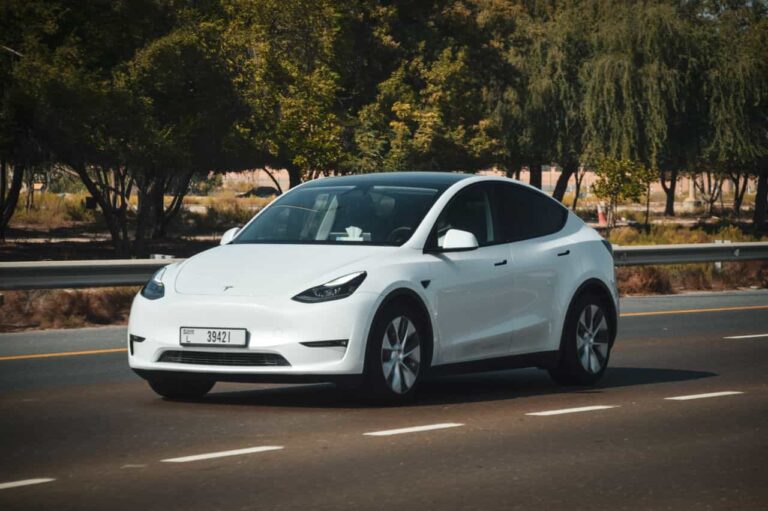
Electric vehicles (EVs) have become increasingly popular as consumers seek environmentally friendly transportation and lower operating costs. To encourage EV adoption, governments offer tax incentives that can significantly reduce the cost of purchasing eligible electric vehicles. However, not every vehicle or buyer qualifies for these incentives, making it important to understand the eligibility requirements before making a purchase.
Electric vehicle tax credits can help offset the initial cost of an EV, making ownership more affordable for individuals and families. This guide explains electric vehicle tax credit eligibility, key qualifying factors, and important considerations for buyers interested in maximizing available incentives.
What Is an Electric Vehicle Tax Credit?
An electric vehicle tax credit is a government incentive designed to encourage consumers to purchase qualifying electric vehicles. Instead of providing a direct discount in all cases, the credit generally reduces the amount of income tax a qualifying buyer owes.
These incentives aim to:
- Promote clean transportation
- Reduce greenhouse gas emissions
- Encourage domestic manufacturing
- Increase consumer adoption of electric vehicles
- Support energy independence initiatives
Tax credits can represent substantial savings and may significantly influence the overall affordability of an EV.
Why Electric Vehicle Tax Credits Matter
Electric vehicles often have higher purchase prices than comparable gasoline-powered vehicles. Tax incentives help bridge this price gap and make EV ownership more accessible.
Benefits of EV tax credits include:
- Lower effective purchase costs
- Improved affordability
- Faster return on investment
- Increased access to advanced vehicle technology
- Encouragement of environmentally responsible transportation
For many buyers, tax incentives can be a major factor in the decision to switch to an electric vehicle.
Basic Eligibility Requirements
Eligibility for electric vehicle tax credits generally depends on several factors related to both the buyer and the vehicle.
Vehicle Must Qualify
Not every electric vehicle is eligible for tax credits. Governments often establish specific requirements regarding:
- Battery capacity
- Manufacturing standards
- Vehicle classification
- Final assembly location
- Component sourcing requirements
Before purchasing a vehicle, buyers should confirm that the specific model qualifies under current regulations.
New Vehicle Requirements
New electric vehicles often have separate eligibility standards compared to used EVs.
Requirements may include:
- Purchase from an authorized dealer
- First-time ownership status
- Compliance with manufacturing guidelines
- Vehicle price limitations
Meeting these requirements is essential for claiming available credits.
Used Vehicle Eligibility
Some programs also provide incentives for qualifying used electric vehicles.
Common requirements may include:
- Vehicle age restrictions
- Purchase price limitations
- Dealer purchase requirements
- Buyer income qualifications
Used EV incentives can make electric transportation accessible to a broader range of consumers.
Income Eligibility Considerations
Many electric vehicle tax credit programs include income limitations to ensure benefits are directed toward eligible households.
Income requirements may vary depending on:
- Filing status
- Household size
- Program regulations
- Tax year
Potential categories include:
- Single filers
- Married couples filing jointly
- Heads of household
Buyers should review current guidelines to determine whether their income falls within eligible ranges.
Vehicle Price Limits
Some tax credit programs establish maximum vehicle price thresholds.
These limits help focus incentives on mainstream consumer vehicles rather than luxury models.
Price restrictions may vary based on vehicle category, such as:
- Sedans
- Hatchbacks
- SUVs
- Pickup trucks
- Vans
Before purchasing, verify that the vehicle’s price falls within any applicable limits.
Also Read: Truck Financing with poor Credit
Types of Vehicles That May Qualify
Several categories of electric vehicles may be eligible for tax incentives.
Battery Electric Vehicles (BEVs)
Battery electric vehicles operate entirely on electricity and produce zero tailpipe emissions.
Advantages include:
- No gasoline consumption
- Lower operating costs
- Reduced maintenance requirements
- Environmental benefits
Many of the most popular EVs fall into this category.
Plug-In Hybrid Electric Vehicles (PHEVs)
Plug-in hybrids combine electric motors with gasoline engines.
Benefits include:
- Electric-only driving capability
- Extended driving range
- Reduced fuel consumption
- Flexible transportation options
Certain plug-in hybrids may qualify for incentives if they meet program requirements.
Fuel Cell Vehicles
Some programs also include hydrogen fuel cell vehicles.
These vehicles generate electricity using hydrogen and produce only water vapor as a byproduct.
Eligibility depends on specific program rules and vehicle classifications.
How to Claim an Electric Vehicle Tax Credit
Claiming a tax credit generally involves documenting the purchase and filing the appropriate tax forms.
Buyers should retain:
- Purchase agreements
- Vehicle identification information
- Dealer documentation
- Proof of ownership
- Tax records
Accurate recordkeeping can simplify the filing process and reduce the likelihood of delays.
Point-of-Sale Incentives
Some jurisdictions allow buyers to receive tax credit benefits immediately at the time of purchase.
Potential advantages include:
- Reduced upfront vehicle costs
- Simplified purchasing process
- Immediate savings
- Lower financing requirements
Availability varies depending on local regulations and participating dealerships.
Factors That Can Affect Eligibility
Several issues may impact a buyer’s ability to claim a tax credit.
Changes in Regulations
Tax incentive programs may change over time, including:
- Credit amounts
- Vehicle eligibility standards
- Income thresholds
- Manufacturing requirements
Staying informed about current regulations is important when planning a purchase.
Vehicle Availability
High demand for qualifying electric vehicles may affect inventory levels and purchasing timelines.
Documentation Errors
Incomplete or inaccurate paperwork can delay or prevent successful credit claims.
Carefully reviewing documentation before filing can help avoid complications.
Benefits Beyond Tax Credits
While tax credits provide valuable savings, electric vehicles offer additional long-term advantages.
These include:
- Lower fuel expenses
- Reduced maintenance costs
- Quieter operation
- Advanced technology features
- Potential environmental benefits
When combined with available incentives, these advantages can make EV ownership highly attractive.
Common Mistakes to Avoid
Consumers often make mistakes when evaluating EV tax credit eligibility.
Common errors include:
- Assuming all EVs qualify
- Ignoring income limitations
- Overlooking vehicle price restrictions
- Failing to verify eligibility before purchase
- Missing required documentation
- Not reviewing updated regulations
Avoiding these mistakes can help maximize available benefits.
Conclusion
Electric vehicle tax credit eligibility depends on several factors, including vehicle qualifications, buyer income, purchase price limits, and current regulatory requirements. Understanding these rules before purchasing an electric vehicle can help consumers take full advantage of available incentives and reduce overall ownership costs.
As electric vehicle adoption continues to grow, tax credits remain an important tool for making clean transportation more affordable. By researching eligible vehicles, verifying income qualifications, maintaining proper documentation, and staying informed about program updates, buyers can confidently navigate the process and enjoy the financial benefits of EV ownership.
