
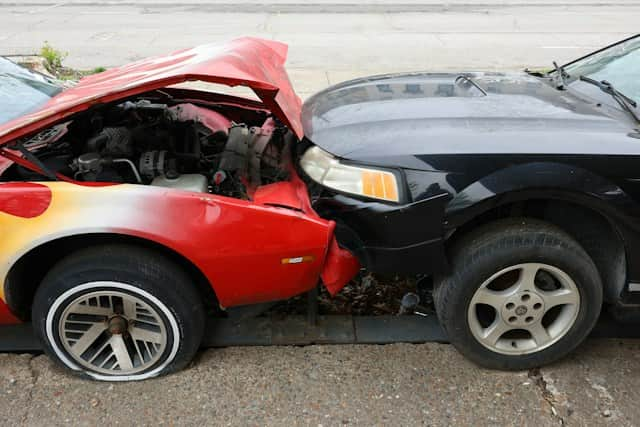
After an accident, your repaired car is rarely worth what it was before the crash. Even with flawless bodywork, a vehicle history report showing a collision makes buyers and dealers offer less. That lost value has a name: diminished value. Learning how to file a diminished value claim can help you recover hundreds or even thousands of dollars that most drivers never realize they are owed. This guide explains who qualifies, how the loss is calculated, and the exact steps to file and negotiate your claim.
What Is Diminished Value?
Diminished value is the difference between your car’s market value immediately before an accident and its market value after it has been repaired. There are three common types:
- Inherent diminished value: The loss that exists simply because the car now has an accident history, even after perfect repairs. This is the most common type of claim.
- Repair-related diminished value: Additional loss caused by poor-quality repairs, mismatched paint, or non-original parts.
- Immediate diminished value: The drop in value right after the accident, before repairs. This is mostly used in legal disputes.
Who Can File a Diminished Value Claim?
In most cases, you can file only if another driver caused the accident. The claim is made against the at-fault driver’s liability insurance, since that coverage is meant to restore you to your pre-accident position. Claims against your own insurer are rarely accepted because most personal auto policies exclude diminished value from collision coverage, though rules vary by state.
Your claim is strongest when:
- Your car is relatively new or has low mileage
- It had a clean history before the accident
- The damage was significant, especially structural or frame damage
- The vehicle is a luxury, high-demand, or collector model
Older, high-mileage vehicles with low market value usually do not lose enough value to justify a claim.
Step 1: Confirm Fault and Gather Accident Records
Start by obtaining the police report and the at-fault driver’s insurance details. Keep copies of photos from the scene, witness statements, and any correspondence that shows the other insurer has accepted liability. If the driver who hit you had no insurance, your options change; see our guide on what to do after an uninsured driver accident.
Step 2: Complete Repairs and Collect Documentation
Diminished value is usually claimed after repairs are finished, because the final repair bill shows the extent of the damage. Ask the shop for a detailed, itemized invoice listing every part replaced, whether parts were original equipment or aftermarket, and any frame or structural work. Take after-repair photos as well, especially if you notice paint mismatch or uneven panel gaps.
Step 3: Learn Your State’s Rules
Diminished value laws differ from state to state. Some states have clear court decisions supporting third-party claims, while others limit them. Each state also has a statute of limitations for property damage claims, often ranging from two to several years. Your state insurance department can explain local rules, and the National Association of Insurance Commissioners provides links to every state regulator.
Step 4: Calculate Your Loss
The Insurer’s Formula
Some insurers use a formula, often called “17c,” that starts by capping the loss at 10 percent of the car’s value and then reduces it with multipliers for damage severity and mileage. This method frequently produces a very low number, and it is not a law. You are not required to accept it.
An Independent Appraisal
The most persuasive evidence is a diminished value report from a certified independent appraiser. The appraiser compares your vehicle to similar cars on the market and documents how an accident history affects pricing. Reports usually cost a modest fee, which is often worth it for newer or high-value vehicles. Some states allow you to recover the appraisal cost as part of your claim.
Market Evidence
You can strengthen your case with trade-in offers from dealers. Ask two or three dealerships to appraise your car and note what they would pay knowing its accident history, then compare those figures to the clean-history value from pricing guides.
Step 5: Write a Demand Letter
Send a formal demand letter to the at-fault driver’s insurance adjuster. Include:
- Your claim number and the date and location of the accident
- A statement that their insured was at fault
- The vehicle’s year, make, model, VIN, and mileage
- The specific dollar amount you are requesting
- Copies of the appraisal report, repair invoice, photos, and police report
- A reasonable deadline for a response, such as 30 days
Keep the tone professional and factual. Send it by email and certified mail so you have proof of delivery.
Step 6: Negotiate the Offer
Expect a counteroffer lower than your demand. Respond in writing and point to your evidence. Ask the adjuster to explain how they calculated their number and request a copy of any valuation report they used. Many claims settle after one or two rounds of negotiation. Stay patient, but do not let the claim stall past your state’s filing deadline.
Step 7: Escalate if Needed
If the insurer refuses a fair settlement, you have several options:
- Ask for a supervisor or a different adjuster to review the file.
- File a complaint with your state’s department of insurance.
- Use small claims court, which handles disputes up to a set limit without requiring a lawyer.
- Hire an attorney if the loss is large or the case involves injuries as well.
Common Mistakes to Avoid
- Signing a property damage release that waives future claims before addressing diminished value
- Waiting too long and missing the statute of limitations
- Relying only on the insurer’s formula without independent proof
- Failing to keep repair records and photos
Is a Diminished Value Claim Worth It?
For a newer car with significant damage, the recovery can be substantial, often far more than the cost of an appraisal. For an older vehicle with minor cosmetic damage, the potential payout may be small. Run the numbers before investing time and money, and consider getting a free dealer trade-in comparison first.
Final Thoughts
An accident can cost you money long after repairs are done, but you do not have to absorb that loss yourself. Confirm the other driver was at fault, document the repairs, back up your number with an independent appraisal, and negotiate in writing. With strong evidence and persistence, filing a diminished value claim can put real money back in your pocket.
