
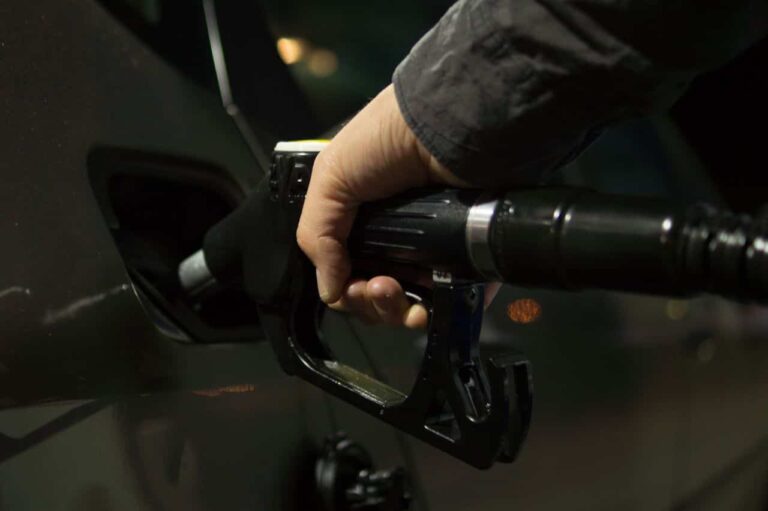
Your vehicle’s fuel pump plays a vital role in delivering fuel from the tank to the engine at the correct pressure. Without a properly functioning fuel pump, your engine cannot receive the fuel it needs to start, accelerate, or operate efficiently. While fuel pumps are designed to last for many years, they still require regular inspection and maintenance to ensure reliable performance.
Scheduling routine fuel pump service can help prevent unexpected breakdowns, improve fuel efficiency, and extend the life of your vehicle’s fuel system. Whether you drive a compact car, SUV, pickup truck, or commercial vehicle, understanding the importance of fuel pump maintenance can save you time and money in the long run.
What Is Fuel Pump Service?
Fuel pump service involves inspecting, testing, and maintaining the fuel pump and related fuel system components to ensure they are operating correctly. Depending on your vehicle’s condition and manufacturer recommendations, service may include checking fuel pressure, inspecting electrical connections, replacing the fuel filter, and testing overall fuel delivery.
Unlike replacing a failed fuel pump, routine service focuses on preventing problems before they become serious. Regular maintenance helps identify worn components, restricted fuel flow, or electrical issues that could affect engine performance.
Why Fuel Pump Service Is Important
A healthy fuel pump ensures your engine receives a consistent supply of fuel under the correct pressure. If the pump begins to fail, the engine may not perform efficiently, leading to poor fuel economy, hesitation, and even complete engine failure.
Routine fuel pump service offers several benefits, including:
- Improved engine performance
- Better fuel efficiency
- Reliable engine starting
- Reduced risk of unexpected breakdowns
- Longer fuel pump lifespan
- Lower long-term repair costs
Preventive maintenance is often far less expensive than replacing a damaged fuel pump or repairing engine components affected by fuel delivery issues.
Signs Your Vehicle Needs Fuel Pump Service
Recognizing early warning signs allows you to schedule service before a complete fuel pump failure occurs.
Difficulty Starting the Engine
If your vehicle takes longer than usual to start, the fuel pump may not be generating adequate fuel pressure.
Poor Acceleration
A weak fuel pump may struggle to deliver enough fuel during acceleration, causing hesitation or sluggish performance.
Engine Stalling
Intermittent fuel delivery can cause the engine to stall while driving or idling, especially when the pump begins to wear out.
Reduced Fuel Economy
An inefficient fuel system can increase fuel consumption because the engine is not receiving the proper air-fuel mixture.
Unusual Noises
A loud whining or buzzing sound coming from the fuel tank may indicate excessive wear inside the fuel pump.
Loss of Power
If your vehicle loses power while climbing hills, towing, or carrying heavy loads, restricted fuel flow may be the cause.
What Is Included in a Fuel Pump Service?
A professional fuel pump service typically includes several important inspections and tests.
Fuel Pressure Testing
Technicians use a fuel pressure gauge to verify that the fuel pump is delivering fuel within the manufacturer’s recommended pressure range.
Fuel Filter Inspection
A clogged fuel filter restricts fuel flow and forces the pump to work harder. Replacing the filter at recommended intervals helps protect the pump from premature wear.
Also Read: Best Car Dent Repair Kit
Electrical System Inspection
Fuel pump operation depends on reliable electrical power. During service, technicians inspect:
- Wiring
- Connectors
- Ground connections
- Fuses
- Fuel pump relay
Electrical issues can often mimic fuel pump failure and should always be checked first.
Fuel Line Inspection
Fuel lines are inspected for leaks, corrosion, damage, or restrictions that could reduce fuel delivery.
Fuel Tank Inspection
If contamination is suspected, technicians may inspect the fuel tank for dirt, rust, water, or debris that could damage the fuel pump.
Common Causes of Fuel Pump Problems
Understanding what causes fuel pump issues can help prevent future failures.
Contaminated Fuel
Dirt, rust, or water inside the fuel tank can clog the pump inlet and damage internal components.
Driving on a Low Fuel Tank
Fuel helps cool and lubricate electric fuel pumps. Frequently driving with very little fuel can cause the pump to overheat and wear out more quickly.
Clogged Fuel Filter
A blocked filter forces the pump to work harder to maintain proper fuel pressure, reducing its lifespan.
Electrical Faults
Loose wiring, damaged connectors, faulty relays, or blown fuses may interrupt power to the pump.
Normal Wear and Tear
Like any mechanical component, fuel pumps gradually wear out after years of use and thousands of miles of operation.
How Often Should Fuel Pump Service Be Performed?
Most fuel pumps do not require routine replacement, but they should be inspected during regular vehicle maintenance.
It is a good idea to have the fuel system checked:
- During major scheduled maintenance
- When replacing the fuel filter
- If engine performance problems appear
- Before long road trips
- Whenever warning symptoms develop
Following your vehicle manufacturer’s maintenance schedule helps keep the fuel system operating efficiently.
Tips to Extend Fuel Pump Life
Simple maintenance habits can significantly increase the lifespan of your fuel pump.
- Keep your fuel tank at least one-quarter full.
- Replace the fuel filter according to service intervals.
- Purchase fuel from reputable service stations.
- Avoid contaminated fuel whenever possible.
- Address check engine lights promptly.
- Inspect the fuel system during routine maintenance.
- Avoid delaying repairs when symptoms appear.
These practices reduce unnecessary strain on the pump and improve overall fuel system reliability.
Can You Service a Fuel Pump Yourself?
Basic maintenance tasks, such as replacing the fuel filter or checking fuses, may be manageable for experienced DIY vehicle owners. However, diagnosing or replacing an in-tank fuel pump often requires specialized tools and safety precautions because fuel systems are pressurized and contain flammable fuel.
If you’re unsure of the cause of a fuel delivery problem, professional diagnosis is recommended to avoid unnecessary repairs and ensure safe handling of fuel system components.
When Should the Fuel Pump Be Replaced?
Even with proper maintenance, every fuel pump eventually reaches the end of its service life.
Replacement is generally recommended when:
- Fuel pressure consistently falls below specifications.
- The pump motor fails.
- The vehicle repeatedly stalls due to fuel delivery problems.
- The pump becomes excessively noisy.
- Diagnostic testing confirms internal pump failure.
Replacing a failing pump promptly helps prevent further damage to the fuel system and restores reliable engine performance.
Final Thoughts
Regular fuel pump service is an essential part of vehicle maintenance that helps ensure dependable engine performance, smooth acceleration, and optimal fuel efficiency. By inspecting the fuel pump, fuel filter, electrical connections, and fuel lines on a routine basis, you can identify potential problems before they lead to expensive repairs or unexpected breakdowns.
Whether your vehicle is used for daily commuting, commercial work, or long-distance travel, maintaining the fuel system protects one of the engine’s most critical components. With routine inspections, quality fuel, and timely maintenance, your fuel pump can provide years of reliable service while keeping your vehicle running safely and efficiently.
