
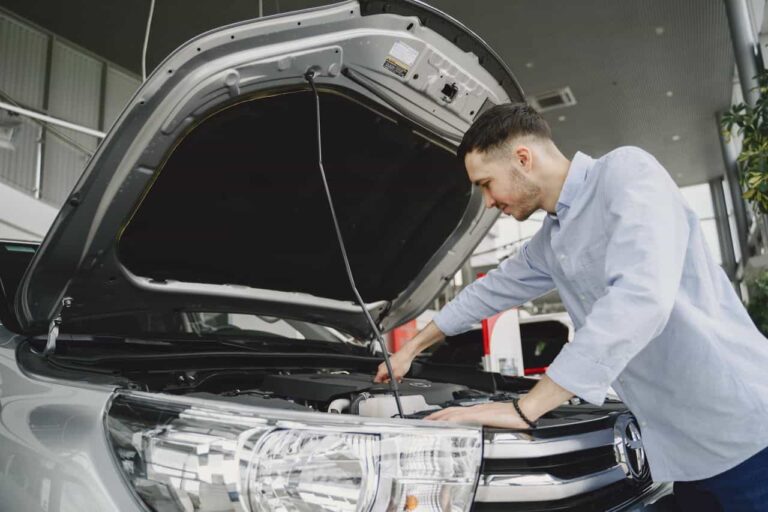
A properly functioning fuel pump is essential for your vehicle’s performance, reliability, and fuel efficiency. It delivers fuel from the gas tank to the engine at the correct pressure, allowing the engine to start easily and run smoothly. When the fuel pump begins to fail, your vehicle may experience a variety of performance issues that can worsen over time if left unaddressed.
Understanding fuel pump diagnostics helps drivers identify potential problems early, reduce repair costs, and avoid unexpected breakdowns. Whether you’re a vehicle owner, DIY enthusiast, or automotive technician, knowing how to diagnose fuel pump issues is an important part of maintaining a healthy fuel system.
What Is Fuel Pump Diagnostics?
Fuel pump diagnostics is the process of testing and evaluating the fuel pump and related components to determine whether they are operating correctly. Because many engine performance problems can have similar symptoms, proper diagnostics are essential before replacing any parts.
A complete diagnostic process includes checking fuel pressure, electrical connections, fuel flow, relays, fuses, filters, and the fuel pump itself. Identifying the exact cause of the problem saves time, money, and unnecessary repairs.
Common Symptoms of a Failing Fuel Pump
Recognizing the warning signs of fuel pump problems is the first step in accurate diagnostics.
Difficulty Starting the Engine
A failing fuel pump may struggle to build enough pressure for the fuel injection system. As a result, the engine may crank longer than usual before starting or fail to start altogether.
Engine Stalling
If the fuel pump cannot maintain consistent fuel delivery, the engine may suddenly stall while driving. This can happen intermittently at first before becoming more frequent.
Poor Acceleration
When the engine demands more fuel during acceleration, a weak fuel pump may not keep up. Drivers often notice hesitation, sluggish performance, or delayed throttle response.
Loss of Engine Power
Vehicles may lose power while climbing hills, carrying heavy loads, or driving at highway speeds due to insufficient fuel pressure.
Rough Idling
An inconsistent fuel supply can cause the engine to idle unevenly, vibrate excessively, or occasionally misfire.
Unusual Noise from the Fuel Tank
Electric fuel pumps normally produce a quiet humming sound. A loud whining, buzzing, or grinding noise coming from the fuel tank may indicate excessive wear or impending failure.
Common Causes of Fuel Pump Problems
Several issues can affect fuel pump performance.
Worn Fuel Pump
Like any mechanical component, fuel pumps wear out over time. Internal bearings, brushes, or electric motors can fail after years of use.
Also Read: How to Fix Dent without repainting
Clogged Fuel Filter
A dirty fuel filter restricts fuel flow, forcing the pump to work harder than intended. This extra strain can reduce pump lifespan.
Contaminated Fuel
Water, dirt, rust, or debris inside the fuel tank can clog the fuel pump inlet or damage internal components.
Electrical Issues
Faulty wiring, blown fuses, damaged connectors, or failed relays can interrupt power to the fuel pump and create symptoms similar to pump failure.
Low Fuel Levels
Frequently driving with a nearly empty fuel tank may cause the pump to overheat because gasoline helps cool and lubricate the pump.
Essential Fuel Pump Diagnostic Tools
Accurate diagnostics require the proper tools.
Common equipment includes:
- Fuel pressure gauge
- Digital multimeter
- OBD-II diagnostic scanner
- Test light
- Wiring diagrams
- Fuel line disconnect tools
- Service manual for vehicle specifications
Using the correct tools allows technicians and DIY mechanics to identify the source of fuel system problems efficiently.
Step-by-Step Fuel Pump Diagnostics
Step 1: Listen for Fuel Pump Operation
Turn the ignition key to the “On” position without starting the engine.
A healthy electric fuel pump should run for a few seconds to pressurize the fuel system. If no sound is heard, electrical testing should be performed.
Step 2: Check Fuel Pressure
Connect a fuel pressure gauge to the fuel rail according to the manufacturer’s instructions.
Compare the measured pressure with the vehicle manufacturer’s recommended specifications.
Low pressure may indicate:
- Weak fuel pump
- Clogged fuel filter
- Restricted fuel line
- Faulty pressure regulator
Step 3: Inspect Fuses and Relays
A blown fuse or defective relay can prevent the fuel pump from receiving power.
Inspect each component visually and test for continuity if necessary.
Replacing an inexpensive relay may solve the problem without replacing the fuel pump.
Step 4: Test Electrical Voltage
Using a digital multimeter, measure voltage at the fuel pump connector while the ignition is switched on.
If proper voltage reaches the pump but it does not operate, the pump itself may have failed.
If voltage is absent, inspect wiring, connectors, switches, and control modules.
Step 5: Scan for Diagnostic Trouble Codes
An OBD-II scanner can identify engine fault codes related to fuel delivery or engine performance.
Although fuel pump failures do not always trigger diagnostic codes, scanning the vehicle helps eliminate other possible causes.
Step 6: Inspect the Fuel Filter
A clogged fuel filter restricts fuel flow and creates symptoms similar to a failing pump.
Replacing an overdue fuel filter is often an inexpensive preventive maintenance step.
Common Fuel Pump Diagnostic Mistakes
Avoid these common errors during troubleshooting:
- Replacing the fuel pump without testing fuel pressure
- Ignoring electrical system problems
- Overlooking a clogged fuel filter
- Assuming all starting problems are fuel pump related
- Skipping manufacturer pressure specifications
- Failing to inspect wiring connections
A systematic approach reduces unnecessary repairs and improves diagnostic accuracy.
Preventing Fuel Pump Failure
Regular maintenance can help extend fuel pump life.
Best practices include:
- Keep at least one-quarter of the fuel tank full.
- Replace the fuel filter at recommended intervals.
- Use high-quality fuel from reputable stations.
- Address engine performance problems promptly.
- Inspect electrical connections during routine service.
- Avoid allowing contaminants to enter the fuel tank.
These preventive measures reduce stress on the fuel pump and improve overall fuel system reliability.
When to Replace the Fuel Pump
Fuel pump replacement is generally recommended if diagnostics confirm:
- Low fuel pressure caused by pump wear
- Internal motor failure
- Repeated engine stalling due to fuel delivery issues
- Excessive pump noise
- Intermittent operation despite proper electrical power
Installing a quality replacement pump restores proper fuel pressure and dependable engine performance.
Final Thoughts
Proper fuel pump diagnostics are essential for accurately identifying fuel system problems and avoiding unnecessary repairs. By recognizing early warning signs, using the correct diagnostic tools, and following a step-by-step testing process, vehicle owners and technicians can quickly determine whether the issue lies with the fuel pump, electrical system, fuel filter, or another component.
Routine maintenance, timely inspections, and accurate diagnostics not only extend the lifespan of your fuel pump but also improve vehicle reliability, fuel efficiency, and overall driving performance. Taking a proactive approach to fuel system maintenance helps prevent unexpected breakdowns and ensures your engine receives the consistent fuel supply it needs for smooth and efficient operation.
