
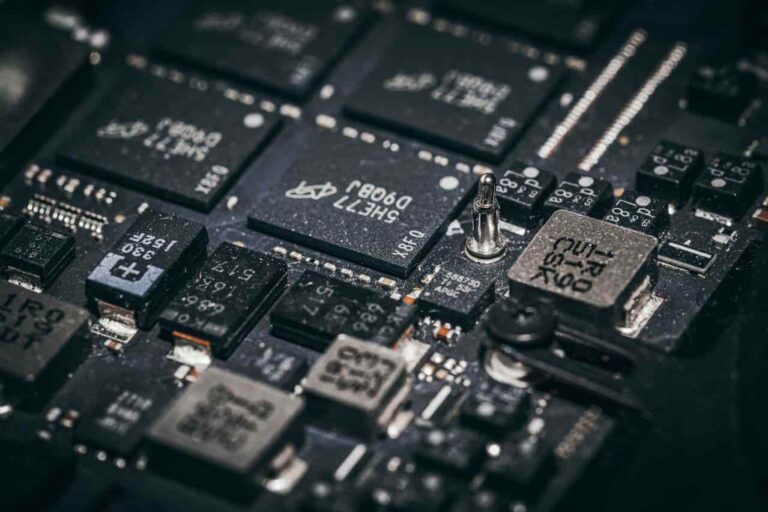
The Engine Control Unit (ECU) is one of the most important electronic components in a modern vehicle. It acts as the vehicle’s computer, controlling essential functions such as fuel injection, ignition timing, emissions systems, sensors, and engine performance. When the ECU circuit develops faults, it can cause serious drivability issues, warning lights, and even prevent the vehicle from starting.
Understanding ECU circuit repair helps vehicle owners recognize electronic problems early and make informed decisions about diagnostics and repairs. From damaged components to electrical failures, ECU circuit issues can often be repaired without replacing the entire control unit.
What Is an ECU Circuit?
An ECU circuit is a complex electronic system made up of multiple components that allow the control unit to receive information, process data, and send commands to different vehicle systems.
The main parts of an ECU circuit include:
- Microprocessor
- Printed circuit board (PCB)
- Capacitors and resistors
- Voltage regulators
- Memory chips
- Transistors
- Connectors and wiring circuits
- Communication components
The ECU receives signals from various sensors, analyzes the data, and adjusts engine operations to maintain performance, efficiency, and emissions control.
Common Causes of ECU Circuit Failure
Several factors can damage ECU circuits or affect their operation.
Electrical Surges
Voltage spikes caused by faulty batteries, incorrect jump-starting procedures, or charging system problems can damage sensitive ECU components.
Water or Moisture Damage
Although many ECUs are protected, water intrusion can cause corrosion on circuit boards, connectors, and electronic components.
Overheating
Excessive heat can damage internal ECU components, especially when cooling systems or mounting locations expose the unit to high temperatures.
Short Circuits
Damaged wiring, faulty sensors, or electrical faults can create short circuits that overload ECU components.
Component Wear
Electronic components such as capacitors and regulators can deteriorate over time, affecting ECU performance.
Poor Repairs or Modifications
Incorrect wiring modifications, aftermarket installations, or improper electrical repairs can create ECU circuit problems.
Symptoms of ECU Circuit Problems
Identifying ECU issues early can help prevent further vehicle problems.
Check Engine Light
A malfunctioning ECU may trigger warning lights due to communication errors, sensor failures, or internal circuit faults.
Engine Performance Issues
ECU circuit problems can affect fuel delivery, ignition timing, and air-fuel mixture control, causing:
- Poor acceleration
- Rough idling
- Reduced power
- Increased fuel consumption
Starting Problems
If the ECU cannot communicate properly with engine components, the vehicle may experience difficulty starting or may not start at all.
Sensor and Communication Errors
A damaged ECU circuit can interrupt communication between control modules, resulting in incorrect sensor readings or diagnostic trouble codes.
Intermittent Electrical Problems
Random stalling, inconsistent engine behavior, or occasional warning lights may indicate an internal ECU circuit issue.
ECU Circuit Diagnostic Process
Accurate diagnosis is essential before performing any ECU circuit repair. Many vehicle problems may appear to be ECU-related but are actually caused by sensors, wiring, or power supply issues.
Diagnostic Scan
Technicians begin by scanning the vehicle using professional diagnostic equipment to identify fault codes and communication problems.
Power and Ground Testing
The ECU requires stable power and proper grounding. Technicians check voltage supply, ground connections, fuses, and relays to confirm the ECU is receiving the correct electrical input.
Visual Inspection
The ECU housing and circuit board are inspected for:
- Burn marks
- Corrosion
- Broken components
- Damaged connectors
- Moisture contamination
Circuit Testing
Advanced diagnostic tools can test individual ECU circuits, including voltage regulators, communication lines, and internal components.
Also Read: DIY Rust Repair Car Body
ECU Circuit Repair Methods
The repair method depends on the type and severity of the damage.
Component Replacement
Damaged electronic components such as capacitors, resistors, or voltage regulators can often be replaced with new parts.
PCB Repair
If the printed circuit board has damaged tracks or connections, technicians can repair broken pathways using specialized soldering techniques.
Connector Repair
Corroded or damaged ECU connectors can be cleaned, repaired, or replaced to restore proper communication.
Software Reprogramming
Some ECU problems are caused by corrupted software or incorrect programming. Reflashing or updating the ECU software can restore normal operation.
Water Damage Repair
Moisture-damaged ECUs may require cleaning, corrosion removal, and replacement of affected components before testing.
ECU Repair vs ECU Replacement
Many vehicle owners assume a faulty ECU must always be replaced, but repair is often a practical alternative.
ECU circuit repair offers several advantages:
- Lower cost compared to replacement
- Preserves original vehicle programming
- Avoids compatibility issues
- Faster turnaround in many cases
- Environmentally friendly solution
However, replacement may be necessary when the ECU has severe internal damage, extensive corrosion, or a failed processor that cannot be repaired.
Importance of Professional ECU Circuit Repair
ECU systems are highly sensitive and require specialized knowledge, tools, and testing equipment. Attempting repairs without proper experience can cause additional damage.
Professional ECU repair specialists use:
- Circuit testing equipment
- Microscopes for PCB inspection
- Programming tools
- Manufacturer specifications
- Advanced diagnostic software
Proper testing ensures the repaired ECU functions correctly before being returned to the vehicle.
Preventing ECU Circuit Problems
Regular maintenance and careful handling can help protect your ECU.
Helpful prevention tips include:
- Keep the ECU area dry and protected.
- Avoid incorrect battery jump-start procedures.
- Maintain a healthy charging system.
- Repair damaged wiring promptly.
- Protect electrical connections from corrosion.
- Use professional equipment for vehicle modifications.
Preventive care reduces the risk of costly electronic failures.
How Much Does ECU Circuit Repair Cost?
The cost of ECU circuit repair depends on the type of damage, vehicle model, and required repairs. Minor issues such as damaged connectors or replaceable components are usually less expensive than major circuit board repairs or complete ECU replacement.
A professional diagnostic inspection is the best way to determine the exact repair requirements and avoid unnecessary expenses.
Final Thoughts
ECU circuit repair is an effective solution for many electronic control unit problems that affect vehicle performance, reliability, and communication systems. From damaged components and electrical faults to software issues, many ECU failures can be diagnosed and repaired without replacing the entire unit.
Proper diagnosis, skilled repair techniques, and preventive maintenance are essential for keeping your vehicle’s electronic systems functioning correctly. If your vehicle shows warning lights, performance problems, or communication errors, professional ECU circuit inspection can help restore reliable operation and prevent more serious issues in the future.
