
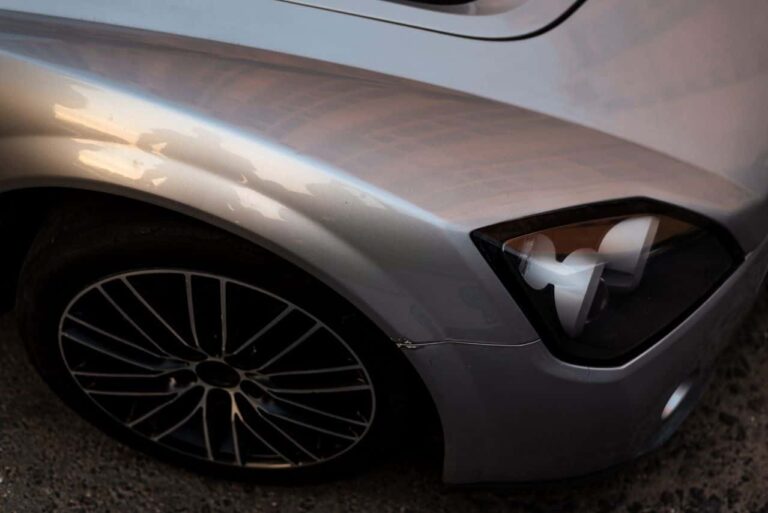
Vehicle dents are one of the most common forms of cosmetic damage. Whether caused by a shopping cart, hailstorm, or minor parking mishap, dents can make your car look older and reduce its resale value. Fortunately, not every dent requires expensive bodywork or a fresh coat of paint. Modern repair techniques make it possible to restore your vehicle’s appearance without affecting the original factory finish. In this guide, you’ll learn how to fix a dent without repainting, when this method works best, and why it has become the preferred solution for many car owners.
What Is Paintless Dent Repair?
Paintless Dent Repair (PDR) is a specialized technique used to remove dents without sanding, filling, or repainting the damaged area. Skilled technicians use precision tools to gently massage the metal back to its original shape from behind the panel or by using specialized pulling methods.
Because the original paint remains untouched, the repair preserves your vehicle’s factory finish while restoring its appearance.
When Can You Fix a Dent Without Repainting?
Not every dent qualifies for paintless dent repair. The method works best when the following conditions are met:
- The paint is not cracked or chipped.
- The dent is relatively shallow.
- The metal has not been severely stretched.
- The damaged area is accessible with repair tools.
- The panel has not been previously repaired with body filler.
Common examples include:
- Door dings
- Minor parking lot dents
- Hail damage
- Small creases
- Light body panel dents
If the paint has been damaged or the metal is heavily creased, conventional body repair may still be necessary.
How Paintless Dent Repair Works
The repair process follows several precise steps to restore the damaged panel.
1. Inspect the Damage
The technician carefully examines the dent using specialized lighting that reveals every contour of the damaged surface. This inspection determines whether paintless dent repair is suitable.
2. Gain Access
Depending on the dent’s location, trim panels, lights, or interior components may be removed to reach the backside of the damaged panel.
3. Reshape the Metal
Using specially designed rods and precision tools, the technician gradually pushes the dent outward. In areas where backside access isn’t possible, glue-pulling techniques may be used to lift the dent.
4. Fine-Tune the Surface
Small high spots created during the repair are carefully tapped down until the surface perfectly matches the surrounding metal.
5. Final Inspection
The repaired area is checked from multiple angles under specialized lighting to ensure the dent has been completely removed.
Also Read: Tire Repair After Hitting a Pithole
Benefits of Fixing a Dent Without Repainting
Choosing paintless dent repair offers several important advantages.
Preserves Factory Paint
The original paint finish remains intact, maintaining the vehicle’s appearance and factory protection.
Lower Repair Costs
Since no paint, fillers, or replacement panels are required, repairs are often significantly less expensive than traditional bodywork.
Faster Turnaround
Many small dents can be repaired within a few hours, allowing drivers to get back on the road quickly.
Maintains Vehicle Value
Factory paint is often more valuable than aftermarket repainting. Keeping the original finish can help preserve resale value.
Environmentally Friendly
Paintless dent repair eliminates the need for paints, primers, solvents, and other chemicals used in conventional collision repair.
Can You Fix a Dent Yourself?
Some vehicle owners attempt DIY dent removal using household methods or inexpensive repair kits.
Popular DIY approaches include:
- Suction cup dent pullers
- Glue puller kits
- Hot water for plastic bumpers
- Hair dryer and compressed air techniques
While these methods occasionally improve very small dents, they rarely deliver professional results. Improper repairs can stretch the metal, crack the paint, or make the damage more noticeable.
For valuable vehicles or visible body panels, professional paintless dent repair remains the safest option.
How Much Does Paintless Dent Repair Cost?
Repair costs vary depending on several factors, including:
- Dent size
- Dent depth
- Vehicle location
- Accessibility
- Number of dents
Small door dings typically cost much less than large body panel repairs. Hail damage pricing may vary depending on the number of dents across the vehicle.
Although prices differ by region, paintless dent repair generally costs less than traditional body shop repairs because it eliminates repainting and extensive labor.
When Paintless Dent Repair Is Not Recommended
There are situations where repainting cannot be avoided.
Paintless dent repair may not work if:
- The paint has cracked.
- Rust has formed around the dent.
- The metal has sharp folds.
- The panel has severe structural damage.
- The dent is located on an edge where metal is heavily reinforced.
A professional inspection can determine the most effective repair method.
Tips to Prevent Future Dents
While some accidents are unavoidable, these simple habits can reduce the risk of dents.
- Park away from crowded areas.
- Avoid parking beneath unstable tree branches.
- Use covered parking during hailstorms.
- Keep a safe distance from shopping cart return areas.
- Drive cautiously in tight parking lots.
Preventive care can help keep your vehicle looking newer for longer.
Final Thoughts
Learning how to fix a dent without repainting can save both time and money while preserving your vehicle’s original appearance. Paintless Dent Repair has become one of the most trusted solutions for removing minor dents because it protects the factory paint, delivers excellent results, and typically costs less than conventional body repairs.
If your vehicle has a small dent with undamaged paint, scheduling a professional paintless dent repair inspection is often the smartest choice. Acting quickly before the damage worsens can help maintain your car’s value and restore its appearance without the need for costly repainting.
