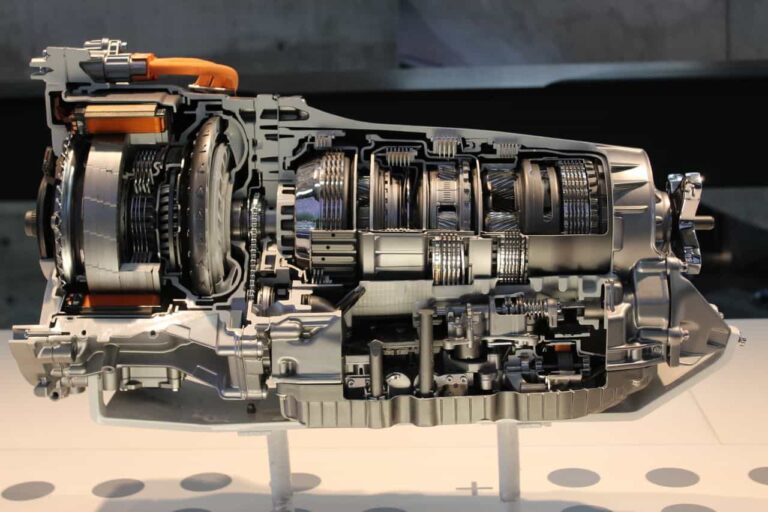
Your vehicle’s transmission is responsible for transferring engine power to the wheels while selecting the appropriate gear for speed and driving conditions. When the transmission begins to slip, it can affect acceleration, fuel efficiency, and overall driving safety. Recognizing transmission slipping symptoms early can help prevent costly repairs and extend the life of your transmission.
Transmission slipping occurs when the transmission unexpectedly changes gears, fails to stay in gear, or struggles to transfer power efficiently. Both automatic and manual transmissions can experience slipping, although the causes may differ. This guide explains the most common symptoms, possible causes, diagnostic methods, and preventive maintenance practices.
What Is Transmission Slipping?
A slipping transmission occurs when the transmission cannot maintain the proper connection between the engine and the drive wheels.
Instead of delivering smooth power, the transmission may hesitate, unexpectedly shift gears, or allow the engine speed to increase without a corresponding increase in vehicle speed.
Ignoring transmission slipping can eventually lead to complete transmission failure and expensive repairs.
Delayed Acceleration
One of the earliest transmission slipping symptoms is delayed acceleration.
When you press the accelerator, the engine revs normally, but the vehicle takes longer than expected to respond.
This delay often indicates that the transmission is struggling to engage the selected gear properly.
If acceleration becomes inconsistent, have the transmission inspected as soon as possible.
High Engine RPM Without Increased Speed
A slipping transmission frequently causes the engine’s revolutions per minute (RPM) to rise while the vehicle speed remains nearly unchanged.
This occurs because the transmission is failing to transfer engine power efficiently to the wheels.
If you notice the tachometer climbing rapidly without corresponding acceleration, transmission slipping may be the cause.
Unexpected Gear Changes
Modern automatic transmissions should shift smoothly between gears.
If your transmission suddenly changes gears without driver input or shifts unpredictably, internal transmission problems may be developing.
Unexpected gear changes often become more noticeable during acceleration or while climbing hills.
Difficulty Shifting Gears
Transmission slipping can also make shifting more difficult.
Common symptoms include:
- Hard gear changes
- Delayed shifting
- Hesitation between gears
- Failure to shift into higher gears
- Difficulty selecting reverse
Both automatic and manual transmissions can experience shifting problems when internal components wear out.
Burning Smell
A burning odor coming from the vehicle may indicate overheating transmission fluid.
Transmission fluid lubricates moving components while also helping regulate transmission temperature.
When fluid breaks down due to excessive heat, it loses its protective properties.
A burning smell combined with slipping often requires immediate inspection.
Also Read: How To Replace Fuel Filter
Unusual Noises
Slipping transmissions may produce unusual sounds during operation.
Common noises include:
- Whining
- Grinding
- Clunking
- Humming
- Buzzing
These sounds may occur during shifting, acceleration, or while driving at constant speeds.
Ignoring unusual transmission noises can lead to more extensive internal damage.
Transmission Warning Light
Many modern vehicles monitor transmission performance electronically.
If the transmission control module detects abnormal operation, it may illuminate the transmission warning light or the Check Engine light.
Using an OBD-II scanner can help identify diagnostic trouble codes related to transmission problems.
Do not ignore warning lights, especially if they appear together with slipping symptoms.
Poor Fuel Economy
A slipping transmission often reduces fuel efficiency.
Because the transmission cannot transfer engine power effectively, the engine must work harder to maintain speed.
The result is increased fuel consumption and higher operating costs.
If your fuel economy suddenly decreases without another obvious explanation, the transmission should be inspected.
Fluid Leaks
Transmission fluid leaks are one of the most common causes of transmission slipping.
Low fluid levels reduce hydraulic pressure inside the transmission, preventing proper gear engagement.
Signs of a transmission fluid leak include:
- Red or reddish-brown fluid beneath the vehicle
- Low transmission fluid level
- Slipping gears
- Delayed shifting
Repairing leaks promptly helps prevent severe transmission damage.
Common Causes of Transmission Slipping
Several mechanical and maintenance issues can cause transmission slipping.
The most common causes include:
- Low transmission fluid
- Worn clutch packs
- Damaged transmission bands
- Faulty torque converter
- Worn gears
- Dirty transmission fluid
- Failed transmission solenoids
- Valve body problems
- Internal seal wear
Identifying the exact cause often requires professional diagnosis.
How to Diagnose Transmission Slipping
Begin by checking the transmission fluid level if your vehicle has a serviceable dipstick.
Inspect the fluid color and smell.
Healthy transmission fluid is typically bright red or pink and has little odor.
Dark, dirty, or burnt-smelling fluid often indicates overheating or contamination.
Next, scan the vehicle using an OBD-II scanner to identify any transmission-related fault codes.
If slipping continues despite proper fluid levels, further inspection by a qualified technician is recommended.
Preventing Transmission Slipping
Routine maintenance is the best way to prevent transmission problems.
Replace transmission fluid according to the manufacturer’s recommended service schedule.
Use only the transmission fluid specified for your vehicle.
Inspect for leaks regularly.
Avoid aggressive acceleration and excessive towing beyond the vehicle’s rated capacity.
Allow the transmission to warm up during extremely cold weather before placing heavy loads on the drivetrain.
Routine inspections help identify minor issues before they become major repairs.
When to Seek Professional Help
If your transmission slips repeatedly, produces unusual noises, or refuses to shift properly, discontinue driving whenever possible.
Continuing to operate a slipping transmission can cause additional internal damage and significantly increase repair costs.
Professional diagnostic equipment can accurately identify hydraulic, electrical, or mechanical faults within the transmission.
Early diagnosis often results in less expensive repairs.
Conclusion
Recognizing transmission slipping symptoms early is essential for protecting one of your vehicle’s most expensive components. Warning signs such as delayed acceleration, rising engine RPM, unexpected gear changes, burning smells, transmission fluid leaks, and poor fuel economy should never be ignored.
Regular transmission maintenance, timely fluid changes, prompt leak repairs, and careful driving habits can greatly extend transmission life. By responding quickly to slipping symptoms and following the manufacturer’s maintenance schedule, you can improve vehicle reliability, maintain smooth shifting, and avoid costly transmission repairs in the future.
