
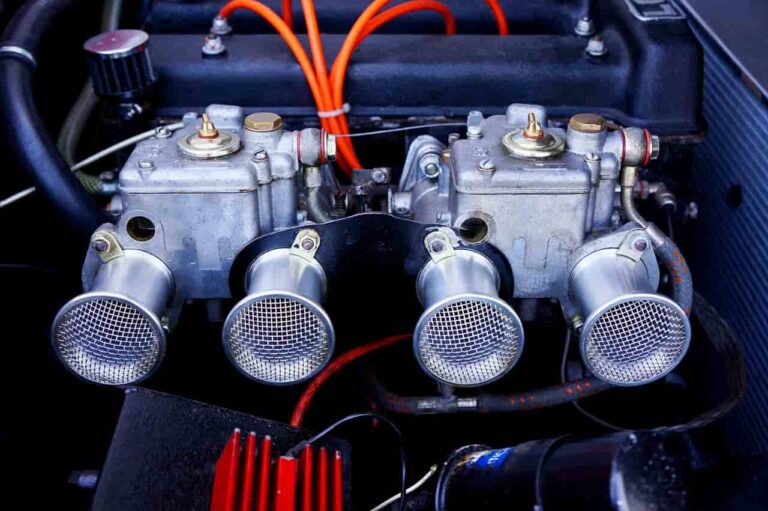
The throttle body is an essential part of your vehicle’s air intake system. It controls the amount of air entering the engine, helping maintain the proper air-to-fuel ratio for efficient combustion. Over time, carbon deposits, dirt, and oil residue can build up inside the throttle body, restricting airflow and causing engine performance issues. Learning how to clean a throttle body is a valuable maintenance skill that can improve idle quality, throttle response, and overall engine efficiency.
Cleaning the throttle body is a straightforward task that most vehicle owners can complete with basic tools and a little patience. This guide explains the process step by step while highlighting important safety precautions.
Why Cleaning the Throttle Body Is Important
As the engine operates, small amounts of carbon and oil vapor pass through the intake system. These contaminants gradually accumulate around the throttle plate and inside the throttle body.
A dirty throttle body can restrict airflow, causing rough idling, hesitation during acceleration, poor fuel economy, and an illuminated Check Engine light. Regular cleaning helps restore proper airflow and allows the engine management system to operate more efficiently.
Signs Your Throttle Body Needs Cleaning
Several symptoms may indicate that carbon buildup is affecting throttle body performance. Common warning signs include:
- Rough or unstable idle
- Slow throttle response
- Engine hesitation during acceleration
- Reduced fuel economy
- Difficulty starting the engine
- Stalling at idle
- Check Engine light
If your vehicle displays one or more of these symptoms, inspecting and cleaning the throttle body may improve performance.
Tools and Materials You Will Need
Gather the following items before beginning the cleaning process:
- Throttle body cleaner
- Clean microfiber cloths
- Soft nylon brush
- Screwdriver or socket set
- Protective gloves
- Safety glasses
- Vehicle owner’s manual
Use only a cleaner specifically designed for throttle bodies. Avoid using harsh chemicals that may damage sensitive components or protective coatings.
Safety Precautions
Park your vehicle on a flat surface and allow the engine to cool completely.
Turn off the engine and remove the key from the ignition.
Disconnect the negative battery terminal if recommended by your vehicle manufacturer.
Wear gloves and eye protection because throttle body cleaner contains strong solvents.
Work in a well-ventilated area and avoid spraying cleaner near open flames or hot engine components.
Also Read: Endpoint Response & Detection
Step 1: Locate the Throttle Body
Open the hood and locate the air intake system.
The throttle body is positioned between the air intake hose and the intake manifold.
Consult your owner’s manual if you have difficulty identifying its location.
Some modern vehicles use electronic throttle bodies, which require extra care during cleaning.
Step 2: Remove the Air Intake Hose
Loosen the hose clamp securing the air intake tube to the throttle body using a screwdriver or socket.
Carefully disconnect the air intake hose and move it aside.
Inspect the hose for cracks or damage while it is removed.
Removing the intake hose provides access to the throttle plate and interior of the throttle body.
Step 3: Inspect the Throttle Body
Look inside the throttle body using a flashlight.
You may notice black carbon deposits around the throttle plate and inner housing.
Light buildup is normal, but heavy deposits can interfere with airflow and throttle movement.
Take note of the amount of contamination before cleaning.
Step 4: Apply Throttle Body Cleaner
Spray a small amount of throttle body cleaner onto a clean microfiber cloth.
Avoid spraying excessive cleaner directly into the throttle body unless the product instructions specifically allow it.
Wipe the inside surface of the throttle body and carefully remove carbon deposits.
If necessary, use a soft nylon brush to loosen stubborn buildup without scratching the metal surface.
Step 5: Clean the Throttle Plate
Gently open the throttle plate according to your vehicle manufacturer’s recommendations.
Carefully clean both sides of the throttle plate and the surrounding bore.
Remove all visible carbon deposits while avoiding excessive force that could damage electronic throttle components.
Continue wiping until the surfaces appear clean and free from heavy residue.
Step 6: Allow the Cleaner to Dry
After cleaning, allow the throttle body cleaner to evaporate completely.
Most throttle body cleaners dry quickly without leaving residue.
Inspect the throttle body once more to ensure no loose debris remains inside the intake opening.
Step 7: Reinstall the Air Intake Hose
Reconnect the air intake hose to the throttle body.
Tighten the hose clamp securely without overtightening.
Inspect all intake connections to verify they are properly seated and free from air leaks.
Reconnect the negative battery terminal if it was disconnected earlier.
Step 8: Start the Engine
Start the engine and allow it to idle for several minutes.
The idle speed may fluctuate briefly as the engine control module adjusts to the cleaner airflow.
Lightly press the accelerator several times to verify smooth throttle response.
Take the vehicle for a short drive to confirm improved acceleration and idle quality.
How Often Should You Clean the Throttle Body?
Many automotive experts recommend inspecting the throttle body every 30,000 to 60,000 miles.
Vehicles driven in dusty conditions, heavy traffic, or with frequent short trips may benefit from more frequent inspections.
Following the maintenance schedule in your owner’s manual helps maintain consistent engine performance.
Common Mistakes to Avoid
Do not use carburetor cleaner unless it is approved for your throttle body.
Avoid forcing the electronic throttle plate beyond its normal range of movement.
Never use metal brushes or sharp tools to remove carbon deposits.
Do not allow excessive cleaner to pool inside the intake manifold.
Failing to reconnect intake hoses securely can create vacuum leaks and trigger warning lights.
Benefits of Regular Throttle Body Cleaning
Routine throttle body cleaning offers several advantages. Improved airflow helps the engine respond more quickly to accelerator input while promoting smoother idle and better fuel efficiency.
Keeping the throttle body clean may also reduce carbon buildup in the intake system, improve overall drivability, and help prevent unnecessary strain on engine components. Combined with regular air filter replacement and scheduled maintenance, throttle body cleaning contributes to long-term engine reliability.
Conclusion
Learning how to clean a throttle body is an effective way to improve engine performance and maintain a healthy air intake system. With the proper tools, safe cleaning practices, and regular maintenance, you can remove carbon buildup that restricts airflow and affects engine operation.
By cleaning the throttle body at recommended intervals and following your vehicle manufacturer’s guidelines, you can enjoy smoother acceleration, improved idle quality, better fuel economy, and more reliable engine performance for years to come.
