
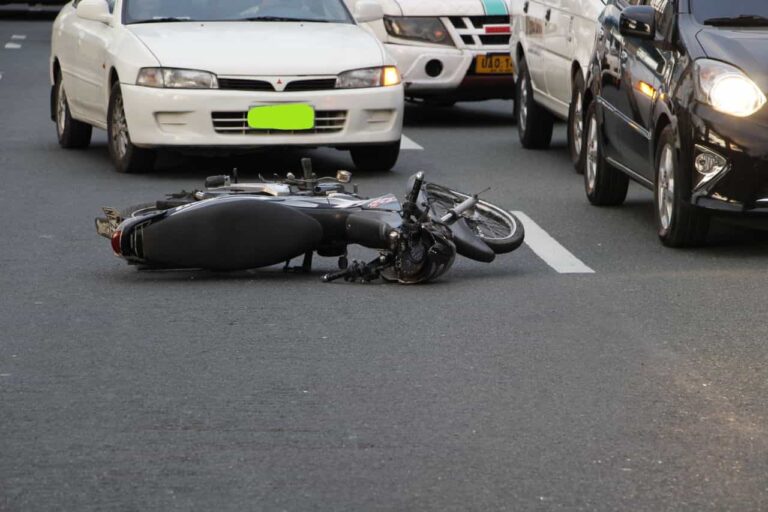
Motorcycle accidents can result in serious injuries, costly medical bills, lost income, and emotional trauma. Unlike occupants of passenger vehicles, motorcyclists have limited physical protection, making them more vulnerable to severe injuries during a collision. When another party’s negligence causes a motorcycle accident, injured riders may be entitled to financial compensation through a motorcycle accident settlement.
Understanding how motorcycle accident settlements work can help victims protect their rights and pursue fair compensation. This guide explains the settlement process, factors that influence compensation amounts, and steps riders can take to strengthen their claims.
What Is a Motorcycle Accident Settlement?
A motorcycle accident settlement is a financial agreement reached between the injured rider and the responsible party’s insurance company or legal representatives. The settlement is intended to compensate the victim for losses resulting from the accident.
In most cases, settlements are negotiated outside of court. By agreeing to a settlement, both parties avoid the time, expense, and uncertainty associated with a trial.
Settlement funds may cover medical expenses, lost wages, property damage, pain and suffering, and other accident-related losses.
Common Causes of Motorcycle Accidents
Motorcycle accidents often occur because other drivers fail to notice riders or exercise reasonable care on the road.
Common causes include:
- Distracted driving
- Speeding
- Failure to yield
- Unsafe lane changes
- Driving under the influence
- Tailgating
- Running red lights or stop signs
- Poor road conditions
Determining the cause of the accident is essential because liability directly affects the settlement process.
Types of Injuries in Motorcycle Accidents
Because motorcycles offer less protection than enclosed vehicles, injuries are often severe.
Common motorcycle accident injuries include:
- Broken bones
- Head injuries
- Traumatic brain injuries
- Spinal cord injuries
- Road rash
- Internal injuries
- Neck and back injuries
- Soft tissue damage
The severity of these injuries plays a major role in determining settlement value.
What Damages Can Be Included in a Settlement?
A motorcycle accident settlement may include compensation for both economic and non-economic damages.
Medical Expenses
Medical costs are often one of the largest components of a settlement.
Compensation may cover:
- Emergency medical treatment
- Hospital stays
- Surgery costs
- Physical therapy
- Rehabilitation services
- Prescription medications
- Future medical care
Victims should maintain detailed records of all treatment-related expenses.
Lost Income
If injuries prevent the rider from working, compensation may be available for lost wages.
In serious cases involving permanent disabilities, settlements may also account for reduced future earning capacity.
Property Damage
Motorcycles often sustain substantial damage during collisions.
Property damage compensation may include:
- Motorcycle repair costs
- Replacement value if totaled
- Damaged riding gear
- Personal property losses
Repair estimates and photographs help support these claims.
Pain and Suffering
Motorcycle accident victims frequently experience significant physical pain and emotional distress.
Pain and suffering damages may compensate for:
- Physical discomfort
- Emotional trauma
- Anxiety
- Depression
- Reduced quality of life
These damages vary based on the severity and long-term impact of injuries.
Factors That Affect Motorcycle Accident Settlement Amounts
Several factors influence how much compensation a victim may receive.
Severity of Injuries
Generally, more serious injuries result in higher settlements due to increased medical expenses and long-term consequences.
Medical Treatment Costs
The total cost of treatment, rehabilitation, and future care significantly impacts settlement value.
Lost Earnings
Victims who miss substantial work time or experience long-term employment limitations may receive greater compensation.
Liability and Fault
Clear evidence that another party caused the accident often strengthens a claim and improves settlement potential.
Insurance Coverage Limits
Available insurance coverage can affect the maximum compensation obtainable through a settlement.
Also Read: Best Life Insurance Companies
Steps to Take After a Motorcycle Accident
The actions taken immediately after an accident can greatly influence the outcome of a settlement claim.
Seek Medical Attention
Prompt medical treatment protects your health and creates documentation linking injuries to the accident.
Even if injuries seem minor, a professional evaluation is important because symptoms may develop later.
Contact Law Enforcement
A police report can provide valuable evidence regarding the circumstances of the collision.
Insurance companies frequently rely on official reports during claim investigations.
Gather Evidence
Collecting evidence helps establish liability and document damages.
Important evidence may include:
- Accident scene photographs
- Vehicle damage photos
- Witness statements
- Medical records
- Traffic camera footage
- Insurance information
Strong evidence often leads to stronger settlement negotiations.
Notify Insurance Companies
Report the accident to your insurance company promptly and provide accurate information regarding the incident.
How the Settlement Process Works
Understanding the claims process helps victims navigate negotiations more effectively.
Investigation
Insurance companies review accident reports, medical records, witness statements, and other evidence to evaluate the claim.
Liability Assessment
The insurer determines who was responsible for the accident and to what extent.
Damage Calculation
Financial losses and non-economic damages are assessed to determine claim value.
Settlement Negotiation
Most motorcycle accident cases are resolved through negotiations between the parties involved.
Insurance companies may initially offer less than the claim’s full value. Negotiation often plays a critical role in obtaining fair compensation.
Settlement Agreement
Once both parties agree on compensation, a settlement agreement is signed and payment is issued.
Common Mistakes That Can Reduce a Settlement
Accident victims sometimes make mistakes that weaken their claims.
Common errors include:
- Delaying medical treatment
- Failing to follow medical advice
- Providing incomplete information
- Accepting the first settlement offer
- Posting accident details on social media
- Failing to preserve evidence
Avoiding these mistakes can improve the chances of receiving fair compensation.
Should You Hire a Motorcycle Accident Lawyer?
While not every case requires legal representation, an attorney may be helpful when:
- Injuries are severe
- Liability is disputed
- Multiple parties are involved
- Insurance companies deny responsibility
- Settlement offers appear inadequate
Experienced legal professionals can help gather evidence, negotiate settlements, and protect the victim’s interests throughout the process.
How Long Does a Motorcycle Accident Settlement Take?
Settlement timelines vary depending on several factors.
These may include:
- Injury severity
- Length of medical treatment
- Complexity of liability issues
- Insurance company cooperation
- Availability of evidence
Some claims settle within a few months, while others may take significantly longer if disputes arise.
Final Thoughts
A motorcycle accident settlement can provide critical financial support after a serious collision. Compensation may help cover medical expenses, lost wages, property damage, and the physical and emotional impact of injuries.
By seeking immediate medical attention, preserving evidence, understanding the claims process, and avoiding common mistakes, injured riders can improve their chances of obtaining a fair settlement. Taking informed action after an accident is essential for protecting both your legal rights and your financial future.
